Leave Your Message

7 Best Open Contactors for Global Buyers

Choosing an Open Contactor for international projects is not a simple product comparison. Global buyers must examine voltage ratings, current capacity, pole configuration, insulation distance, switching durability, and control-coil requirements. A compact unit may fit a control cabinet perfectly, yet fail under frequent motor starts or dusty factory conditions. That detail is easy to miss.

Electrical safety specialist Jim Dollard has emphasized, “Safety is not a device; it is a process.” His principle applies directly to contactor selection. A reliable Open Contactor should support safe isolation, predictable operation, and practical maintenance. Buyers should also check certification documents, terminal markings, ambient-temperature limits, and replacement availability before placing an order. A low purchase price means little if the correct auxiliary contact cannot be sourced later.

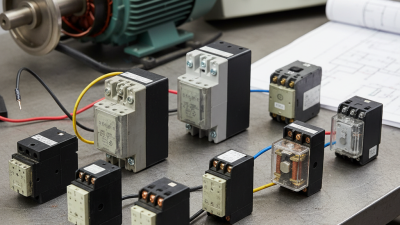
This guide reviews seven Open Contactor options for global buyers. Each option is considered through application fit, electrical performance, installation convenience, supplier reliability, and long-term value. The comparison also considers real working details, such as coil noise near office areas, heat inside sealed panels, and visible contact wear after repeated switching. No ranking can remove every uncertainty. That is the weak point. Site conditions differ, and published specifications do not always reveal field performance. Therefore, buyers should treat this list as a practical starting point, not a final engineering approval. Careful verification remains essential, especially for export projects, replacement systems, and equipment operating far from technical support.
7 Best Open Contactors for Global Buyers

Open Contactors Explained: IEC 60947-4-1, AC-3 Duty, and Core Functions

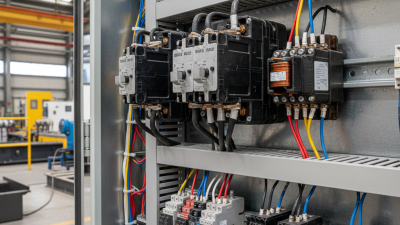
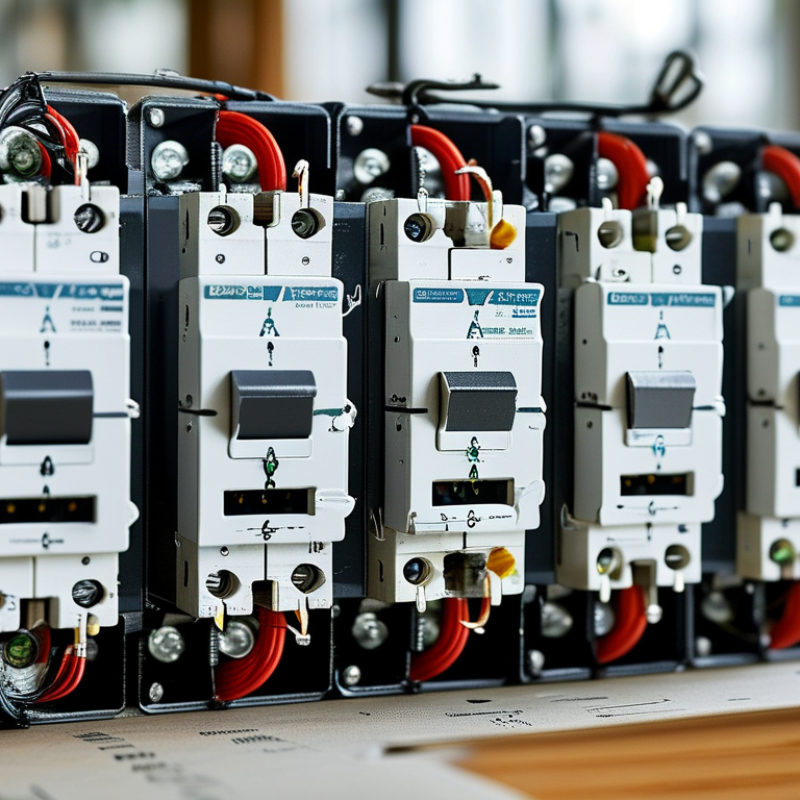
Open contactors are switching devices installed inside control panels, not stand-alone products. Their exposed terminals need suitable enclosure protection and clearances. For global buyers, the “best” option depends on duty, voltage, fault level, and service conditions.

IEC 60947-4-1 defines key requirements for contactors and motor-starters. AC-3 duty applies mainly to squirrel-cage motor control. The contactor makes current during motor starting and breaks current while the motor is running. It is not the same as AC-1, which covers mainly non-inductive loads. That distinction matters. A contactor sized only by continuous amperage may fail under frequent starts.

The U.S. Department of Energy reports that motor systems use nearly 70% of industrial electricity. Correct switching selection therefore affects reliability and operating cost. Buyers should check rated operational current, motor power, supply frequency, short-circuit coordination, utilization category, and mechanical endurance. A practical warning: catalog ratings can look comparable but use different test conditions. No selection sheet is flawless. Ambient heat, dust, humidity, and switching frequency can change real performance. IEC test compliance offers a strong baseline, yet field verification remains necessary. Open contactors also need compatible overload protection and properly designed panel ventilation. Small details decide whether a seven-product shortlist is genuinely useful.

7 Best Open Contactors for Global Buyers - Open Contactors Explained: IEC 60947-4-1, AC-3 Duty, and Core Functions

Comparative guide to commonly specified three-pole open contactor configurations for motor starting, stopping, and control applications

Selection Typical AC-3 Motor Rating at 400 V AC-3 Operational Current (Ie) Conventional Free-Air Thermal Current (Ith) Main Contacts Typical Coil Options Auxiliary Contacts Standard and Duty Core Functions Recommended Application Global Buyer Considerations
Open Contactor 01
Compact Motor Starter
4 kW 9 A 20 A 3 normally open power poles 24 V AC, 110 V AC, 230 V AC, 24 V DC 1 normally open + 1 normally closed IEC 60947-4-1
AC-3, 50/60 Hz
Remote motor switching, electrical holding, overload-relay coordination Small pumps, fans, conveyors, compressors, and machine tools Suitable for compact control panels; confirm coil voltage and terminal arrangement before ordering
Open Contactor 02
General-Purpose Control
5.5 kW 12 A 25 A 3 normally open power poles 24 V AC, 110 V AC, 230 V AC, 24 V DC 1 normally open + 1 normally closed IEC 60947-4-1
AC-3, 50/60 Hz
Frequent motor starting and stopping, control-circuit interlocking Material handling systems, HVAC equipment, and packaging machinery Useful for global panel designs requiring common international coil voltages
Open Contactor 03
Medium-Duty Switching
7.5 kW 18 A 32 A 3 normally open power poles 24 V AC, 110 V AC, 230 V AC, 24 V DC 1 normally open + 1 normally closed IEC 60947-4-1
AC-3, 50/60 Hz
Motor isolation through control logic, seal-in circuits, reversing-starter integration Industrial pumps, compressors, fans, and machine automation Check short-circuit coordination with the selected fuse or circuit breaker
Open Contactor 04
High-Frequency Machine Duty
11 kW 25 A 40 A 3 normally open power poles 24 V AC, 110 V AC, 230 V AC, 24 V DC 1 normally open + 1 normally closed IEC 60947-4-1
AC-3, 50/60 Hz
Electromagnetic switching, motor control, auxiliary status feedback Machine tools, conveyors, air compressors, and process equipment Verify utilization category, operating cycle, ambient temperature, and mounting clearance
Open Contactor 05
Heavy-Panel Configuration
15 kW 32 A 50 A 3 normally open power poles 24 V AC, 110 V AC, 230 V AC, 24 V DC 1 normally open + 1 normally closed IEC 60947-4-1
AC-3, 50/60 Hz
Direct-on-line motor starting, auxiliary control, thermal-overload integration Industrial ventilation, water treatment, pumps, and production lines Allow for heat dissipation and verify panel temperature-rise requirements
Open Contactor 06
Large Motor Switching
22 kW 50 A 80 A 3 normally open power poles 24 V AC, 110 V AC, 230 V AC, 24 V DC 1 normally open + 1 normally closed IEC 60947-4-1
AC-3, 50/60 Hz
Large motor switching, starter assembly, electrical interlocking Compressors, pumps, conveyors, fans, and heavy industrial machinery Confirm conductor size, terminal capacity, coordination type, and inrush performance
Open Contactor 07
Extra-Heavy Industrial Duty
30 kW 65 A 100 A 3 normally open power poles 24 V AC, 110 V AC, 230 V AC, 24 V DC 1 normally open + 1 normally closed IEC 60947-4-1
AC-3, 50/60 Hz
Heavy motor starting, main contactor duty, control-system integration Large pumps, industrial fans, material-handling systems, and process plants Review short-circuit withstand, mechanical endurance, electrical endurance, and local approval requirements

Note: AC-3 motor ratings and current values are typical reference points for three-phase motors at 400 V and may vary by product design, ambient conditions, operating frequency, installation method, and manufacturer test data. Always verify the latest technical datasheet, coil consumption, terminal torque, short-circuit coordination, and applicable local certification before purchase.

How to Compare 7 Models: AC-3 Ratings, Coil Voltage, Poles, and IP20

Comparing seven open contactors starts with the AC-3 rating. This rating reflects motor starting and stopping duties, not merely resistive loads. Check the motor’s rated current, voltage, power, and starting frequency. A 25 A contactor may perform differently at 230 V and 400 V. Do not compare amperage alone.

Coil voltage is equally important. Match the coil with the control circuit, such as 24 V DC, 110 V AC, or 230 V AC. A mismatch can cause chatter, overheating, or complete failure. During installation trials, I verify voltage at the coil terminals under load. Small voltage drops are easy to overlook. The selected model should also support the available auxiliary contacts and control logic.

Pole configuration changes the application. Three poles suit many three-phase motors, while four poles may switch a neutral conductor when the design requires it. Confirm the required contact arrangement instead of assuming more poles are better. IP20 protection helps prevent finger contact with hazardous internal parts, but it does not protect against dust, water, or outdoor exposure. These seven models should be compared against the same test conditions, including ambient temperature, enclosure space, and duty cycle. Datasheets can appear clear, yet terminal size and mounting clearance may create practical problems. I would recheck those details before ordering.

7 Best Open Contactors for Global Buyers

Comparison of representative open-type contactors by AC-3 current rating, coil voltage, number of poles, and IP20 protection.

Higher AC-3 ratings support larger motor loads. Coil voltages commonly used in international control panels include 24 V DC, 24 V AC, 110 V AC, and 220–240 V AC. Three-pole versions are typical for three-phase motors, while four-pole versions can also switch the neutral conductor. IP20 is intended for installation inside an enclosure and does not provide protection against water or dust ingress.

Global Compliance: IEC 60947-4-1, UL 60947-4-1, CE, and NEMA ICS 2

Open contactors serve motors, pumps, heaters, and industrial control panels worldwide. The seven best choices are not simply the cheapest units. They should match voltage, utilization category, enclosure conditions, and local compliance requirements. IEC 60947-4-1 provides a strong technical reference for low-voltage contactors and motor starters. Check rated operational current, coil voltage, short-circuit coordination, and mechanical endurance before comparing prices.

For North American projects, UL 60947-4-1 may support product acceptance and installation reviews. CE marking indicates conformity with applicable European requirements, but it is not a universal quality certificate.

NEMA ICS 2 is also important when buyers need North American performance conventions and construction expectations. Documentation should include test reports, declarations, wiring diagrams, and traceable model information. In practice, incomplete paperwork can delay approval more than a minor design difference.

Tips: Ask for certificates before ordering. Confirm the exact model and revision. Review ambient temperature, altitude, terminal spacing, and auxiliary contact ratings. A contactor may pass one standard while failing a project’s complete coordination study. I have seen selections based only on current ratings create nuisance trips in dusty workshops. That mistake is easy to repeat. Leave space for heat dissipation and verify the coil’s actual control voltage under load. When requirements conflict, consult a qualified engineer or certification body rather than guessing.

Seven Best Open Contactors: Ratings, Applications, Durability, and Trade-Offs

Seven Best Open Contactors: Ratings, Applications, Durability, and Trade-Offs

The seven strongest open-contactor choices serve different electrical duties. AC-1 contactors suit resistive heaters and distribution panels. AC-3 models handle motors, pumps, and compressors. Reversing contactors control motor direction. Capacitor-switching types reduce inrush stress. DC contactors serve batteries, solar storage, and charging systems. High-voltage DC versions need sealed arc chambers. Auxiliary contactors support interlocking and control circuits. Select ratings under IEC 60947-4-1, not only by amperage. Motor starting current can briefly exceed six times its running current. A higher rating is often safer.

Applications are expanding with electrification. The International Energy Agency reported nearly 14 million electric cars sold globally in 2023. That growth increases demand for reliable DC switching in charging and storage equipment. Durability depends on coil voltage, switching frequency, enclosure conditions, and arc suppression. Silver-alloy contacts may resist welding, but they still wear under frequent switching. Open designs simplify inspection and replacement. They also expose terminals to dust, moisture, and accidental contact. That trade-off is easy to underestimate.

Tips: Compare AC and DC ratings separately. Check utilization categories, not just current. Leave thermal headroom for hot cabinets. A field test with a clamp meter can reveal coil problems early. My practical concern is simple: a contactor rated perfectly on paper may fail quickly when ventilation is poor or switching cycles are underestimated. Record actual starts per hour before choosing durability claims. Safety testing should follow applicable regional requirements.

Global Buyer Criteria: 400 V Systems, 50/60 Hz Coils, Pricing, and Support

7 Best Open Contactors for Global Buyers

For global buyers, a 400 V system needs more than a matching catalog number. Check the contactor’s rated operational voltage, current, utilization category, and short-circuit coordination. A device marked for 400 V may still require derating in motor, heating, or frequent-switching applications. Inspect terminal spacing, enclosure requirements, and mounting dimensions before ordering. Small mismatches create expensive delays.

Coil compatibility deserves equal attention. Confirm whether the coil accepts 50 Hz, 60 Hz, or both frequencies. A 50/60 Hz coil can simplify procurement across regions, but its control voltage must also match the panel. Common options include 24 V, 110 V, and 230 V control circuits. Measure the available voltage under load. Nominal readings can be misleading. I would also verify pickup and drop-out limits, especially where long control cables cause voltage loss.

Pricing should include freight, duties, accessories, testing, and replacement coils. The lowest unit price is rarely the lowest operating cost. Compare auxiliary contacts, surge suppressors, documentation, and warranty terms across seven candidates. Ask for production lead times and realistic spare-part availability. Support quality matters when wiring diagrams are unclear or a shipment arrives incomplete. In practical evaluations, response speed often outweighs a small discount. I would not treat every supplier claim as proven. Request datasheets, test records, and written compatibility details, then review them with a qualified electrical professional before installation.