10 Best Electronic Contactors for Efficient Electrical Control?
In the world of electrical control, the efficiency of systems hinges on the choice of components, especially the Electronic Contactor. Renowned expert Dr. Sarah Bennett states, "A reliable electronic contactor can enhance performance and longevity in electrical applications." This highlights the significance of selecting the right products in modern electrical systems.
Electronic Contactors play a crucial role in controlling power to various devices. They help in managing loads, providing safety and automation. However, not all contactors are created equal. Some may fail under high stress. This can lead to operational inefficiencies and safety risks. Real-world applications often reveal problems that demand attention.
The best Electronic Contactors ensure durability and reliability. Yet, users sometimes overlook essential specifications. For example, voltage ratings and coil types matter greatly. Misunderstanding these features can lead to costly failures. It’s important to review options carefully. Choosing the right contactor is key to efficient electrical control.
Overview of Electronic Contactors and Their Importance
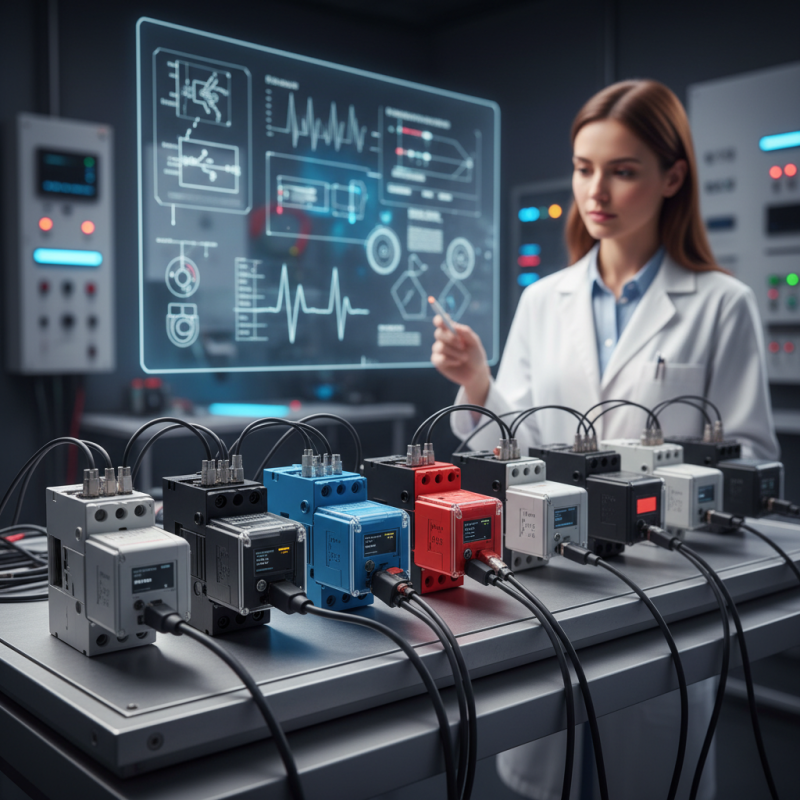
Electronic contactors play a crucial role in modern electrical control systems. They serve as efficient switching devices, managing the flow of electricity to different components. Studies indicate that electronic contactors help reduce energy consumption by up to 15%. This is particularly significant in commercial applications where energy savings can lead to lower operational costs.
Incorporating electronic contactors streamlines operations, enhancing system performance and reliability. Their ability to handle high inrush currents and withstand electrical stress is vital. Many industry reports suggest that systems using advanced contactors experience fewer outages and maintenance issues. However, not all contactors are created equal. Choosing the right model requires a deep understanding of application needs.
Tips: Always assess your electrical load requirements before selecting a contactor. Overestimating can lead to wasted resources. Installation should be carried out with caution. Improper setup can result in failures. Regular maintenance checks are essential for ensuring optimal performance and longevity. Remember to reflect on the systems you work with; it is easy to overlook the importance of these critical components.
10 Best Electronic Contactors for Efficient Electrical Control
| Model |
Voltage Rating (V) |
Current Rating (A) |
Control Type |
Features |
| Model A |
230 V |
25 A |
Mechanical |
LED indicator, Compact design |
| Model B |
110 V |
20 A |
Solid State |
Silent operation, High durability |
| Model C |
380 V |
30 A |
Electromechanical |
Manual override, Shock-resistant |
| Model D |
240 V |
25 A |
Mechanical |
Temperature resistance, Compact size |
| Model E |
220 V |
15 A |
Solid State |
Low power consumption, Long life |
Top 10 Electronic Contactors for Various Applications
Electronic contactors play a vital role in modern electrical systems. They manage circuits with efficiency, improving reliability and safety. Choosing the right contactor is crucial for diverse applications. There are various specifications to consider, like voltage rating and current capacity. It’s not just about selecting any model; application requirements matter greatly.
In industrial settings, heavy machinery automation requires robust contactors. These devices must withstand high loads. Poor choices can lead to malfunctions or equipment damage. For residential applications, energy efficiency is key. Smaller, compact contactors fit better in limited spaces. They should also support smart home technologies.
Not all contactors are equal. Design flaws can hinder performance. Users should look for feedback from installations. Testing different models is essential to understand their limitations. Some may perform well initially but fail under prolonged use. A careful evaluation process helps in selecting the right electronic contactors accurately.
Comparative Analysis of the Best Electronic Contactors
When selecting electronic contactors, efficiency is key. These devices are primarily used to control the flow of electricity in various applications. You can find them in industrial settings and commercial buildings. An effective electronic contactor can enhance overall system performance significantly.
In a comparative analysis, consider the operational characteristics of each model. For instance, some contactors excel in responsiveness and energy consumption. Others may have better longevity or higher switching capacity. Evaluating the thermal performance is also important. Not all contactors handle heat dissipation equally. Some users experience failures during peak loads.
This research isn't exhaustive. There might be emerging technologies that offer better solutions. Many electricians are still unsure which models are truly efficient. It can be challenging to navigate through options without concrete data. Testing under real-world conditions often reveals weaknesses that weren't obvious at first glance.
Tips for Installing and Maintaining Electronic Contactors
When installing electronic contactors, proper placement is crucial.
Choose a location that avoids extreme temperatures or dampness. Ensure the contactor is easily accessible for maintenance.
This might mean adjusting the height or orientation. Never force connections.
Match wire sizes to the contactor's current rating for safety.
Regular maintenance can extend the life of your contactors.
Inspect for wear, dust, and corrosion. A clean environment helps maintain efficiency. Sometimes, simply tightening connections can solve performance issues.
If you notice unusual sounds, investigate immediately. Delaying action can lead to bigger problems.
Documentation is important.
Keeping records of installation and maintenance can provide insight into any recurring issues.
It’s easy to overlook small details, but they often matter the most. Reflect on your processes regularly.
Small changes can yield significant improvements in performance.
Always prioritize safety when working with electrical components.

 +86 13868429846
 Contact Phone
 Contact Email