Why You Should Choose an Electric Motor Contactor for Your Applications?
Choosing the right components for electric applications can significantly impact performance. An Electric Motor Contactor is essential in this context. It acts as a switch that controls the power supply to electric motors. This device ensures that motors operate efficiently and safely.
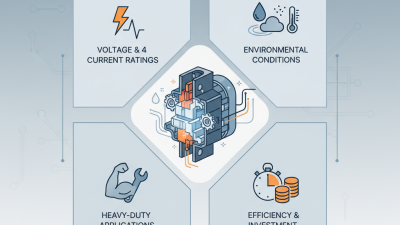
In today's fast-paced world, reliability is crucial. Electric Motor Contactors provide that reliability. They can handle high current and voltage, making them suitable for various industrial applications. Improper selection can lead to equipment failure, resulting in costly downtime. It is crucial to consider factors like current rating and environmental conditions when choosing one.
Many users overlook the importance of proper installation and maintenance. An Electric Motor Contactor requires regular checks to function optimally. Neglecting this can lead to unexpected issues. Investing in quality components and following best practices can enhance longevity and performance. A well-chosen Electric Motor Contactor is a sound decision for any business looking to improve operational efficiency.
Benefits of Electric Motor Contactors in Industrial Applications
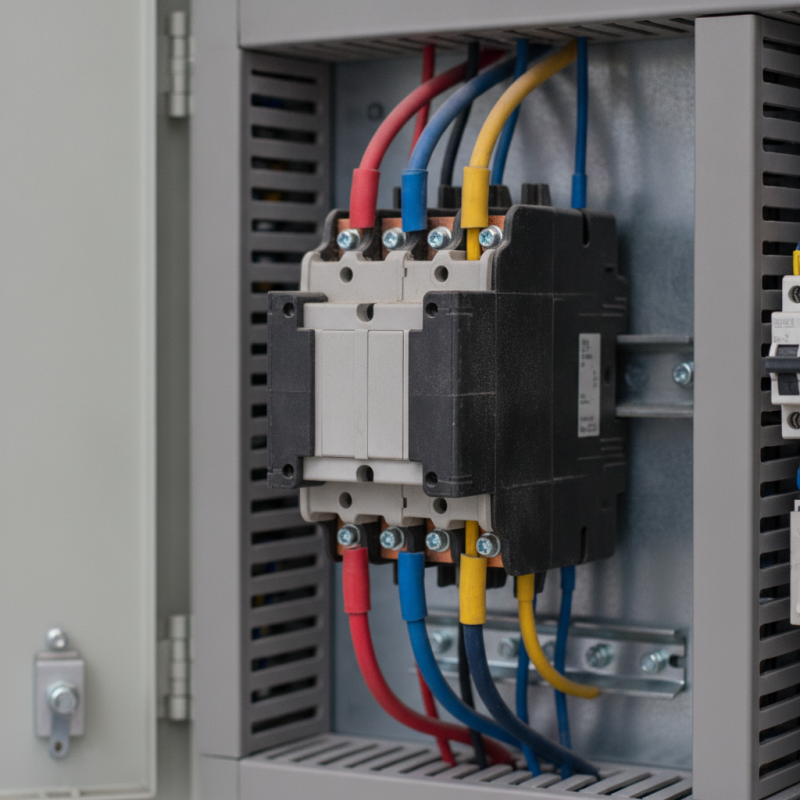
Electric motor contactors are essential in many industrial settings. They control the power supply to electric motors, providing a seamless way to start and stop operations. This is crucial for equipment longevity and energy efficiency. With precise control, industries can reduce power consumption and improve workflow. Users can schedule operations effectively, ensuring machinery is only active when needed.
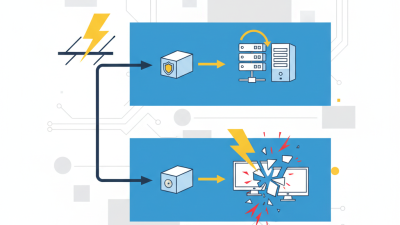
One significant benefit of electric motor contactors is their ability to handle high-current loads. They protect motors from overloads and short circuits, minimizing risk. Advanced models offer features such as thermal overload protection. This ensures your equipment operates safely, reducing downtime. Additionally, contactors can be integrated with automation systems, providing real-time monitoring and diagnostics. Such integration enhances reliability and improves overall system performance.
While electric motor contactors present numerous advantages, there are challenges. Improper installation can lead to failure or inefficiency. Regular maintenance is also required to ensure optimal performance. An understanding of these components is essential for industrial operators. Investing time in training can help mitigate risks and maximize productivity.
Comparison of Electric Motor Contactors and Traditional Switching Methods
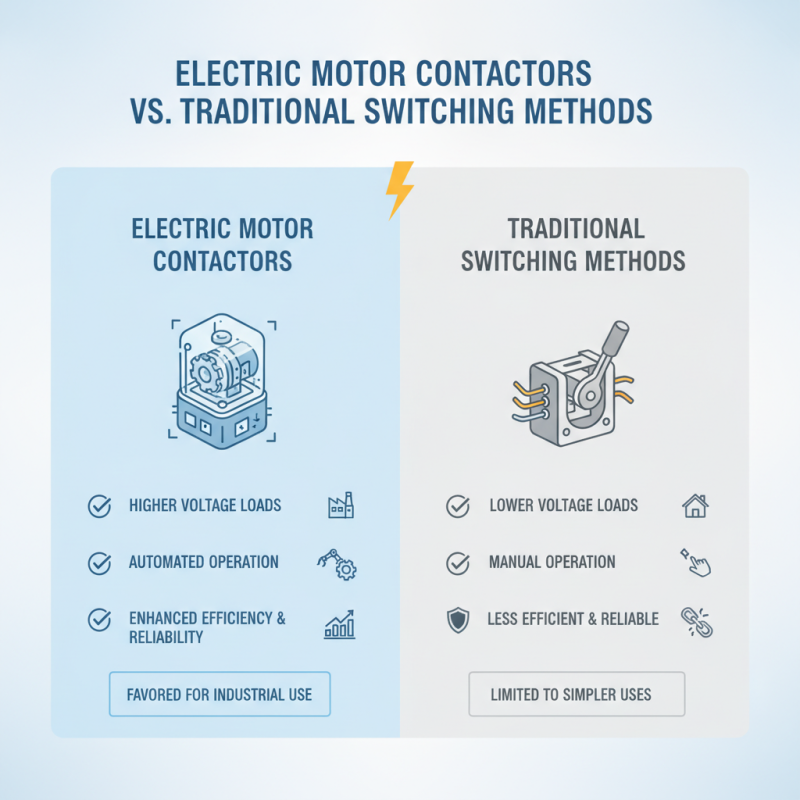
Electric motor contactors are increasingly favored over traditional switching methods in various applications. They offer several advantages that enhance efficiency and reliability. For instance, contactors can handle higher voltage loads, which makes them ideal for industrial settings. Unlike traditional switches, they automate the operation of motors, reducing human error and fatigue.
Traditional switching methods often involve manual operation. This can lead to inconsistent performance. Contactors, on the other hand, provide a consistent and stable way to control large electrical loads. They have a quicker response time, which contributes to effective motor control. Moreover, contactors can be integrated with control systems, allowing for remote operation and automation.
However, users must carefully select the right contactor for their specific application. Different environments may affect performance. In dusty or humid conditions, the life span of a contactor could be reduced. Regular maintenance and checks are crucial to ensure that contactors operate efficiently. While they do offer many benefits, it is important to be aware of these limitations and challenges.
Key Technical Specifications for Electric Motor Contactors
When selecting an electric motor contactor, understanding key technical specifications is crucial. Contactors vary in their ability to handle different voltages and currents. For instance, contactors rated for 20-40 amps are common in industrial applications. They can often manage higher temperatures and rugged environments, which are essential for reliability.
Another important specification is the coil voltage. Typical options include 24V AC and 120V AC. The choice of coil voltage directly impacts control circuit design and energy efficiency. Ensuring compatibility with your existing systems can prevent potential failures.
Tips: Always check the environmental rating of contactors. Some are designed for harsh conditions, while others are not. Choosing the wrong environment can lead to premature wear.
For longer lifespan performance, consider the contact material. Copper is common, but silver alloy contactors offer better conductivity and durability. Industry reports suggest that using high-quality materials can reduce maintenance costs by 30%. It's worth investigating specifications to avoid potential pitfalls and ensure optimal performance.
Industry Standards and Certifications for Electric Motor Contactors
Electric motor contactors play a crucial role in various industrial applications. Choosing the right contactor involves understanding industry standards and certifications. These standards ensure safety, reliability, and performance under various conditions. The IEC 60947-4-1 is a key standard, establishing guidelines for contactors used for electric motors. This standard is recognized globally, indicating the quality and safety of the products that comply.
In 2021, the global electric motor market was valued at approximately $126 billion and is expected to grow. This growth accentuates the importance of adhering to industry standards. Contactors not meeting these standards may lead to equipment failures and safety hazards. Ensuring products have proper certifications can help mitigate these risks.
Tip: Check for certifications like UL, CE, and IEC compliance when selecting contactors. Proper documentation indicates reliability and adherence to quality. Additionally, remember that even well-certified products can fail. Monitoring performance and conducting regular maintenance can prevent unexpected downtimes.
Why You Should Choose an Electric Motor Contactor for Your Applications? - Industry Standards and Certifications for Electric Motor Contactors
| Feature |
Description |
Industry Standards |
Certifications |
| Voltage Rating |
Typical voltage ratings include 230V, 400V, 690V |
IEC 60947-4-1 |
UL, CE, SGS |
| Current Rating |
Common current ratings range from 9A to 800A |
IEC 60947-4-1 |
UL, CSA |
| Contacts Configuration |
Configurations include NO (Normally Open) and NC (Normally Closed) |
IEC 60947-5-1 |
CE Marking, ISO 9001 |
| Operating Temperature |
Designed to operate in a temperature range of -25°C to +60°C |
IEC 60068-2-1 |
RoHS, REACH |
| Application Areas |
Used in industrial machinery, HVAC, and motor control |
IEC 60947-4-1 |
CCC, EAC |
Cost Efficiency and Longevity of Electric Motor Contactors in Use
Electric motor contactors are essential components in various applications. They provide reliable control of electric motors, ensuring efficient operation. One key advantage is their cost efficiency. Studies show that electric motor contactors can reduce energy consumption by up to 20% compared to older systems. This energy savings translates into significantly lower operational costs over time.
Longevity is another critical factor. The average lifespan of a quality contactor can exceed 10 years, depending on usage. Regular maintenance can further extend this lifespan. However, users must be cautious. Overloading the contactor or neglecting routine checks can lead to premature failure. Research suggests that about 30% of failures in motor control systems are due to avoidable operational errors.
Incorporating electric motor contactors into your setup can be a wise decision. They offer not only efficiency but also robust performance. Monitoring usage patterns ensures that the contactors remain in optimal working condition. Continuous evaluation of performance data can aid in maximizing their potential. Balancing initial costs with long-term benefits is crucial for informed decision-making.
Cost Efficiency and Longevity of Electric Motor Contactors
The following chart illustrates the cost efficiency and longevity of electric motor contactors compared to traditional mechanical relays over a decade of use. The data sheds light on the operational savings and enhanced durability that electric motor contactors offer.

 +86 13868429846
 Contact Phone
 Contact Email