Why Choose Mcb Circuit Breaker for Your Electrical Safety Needs?
In today's electrical landscape, the safety and efficiency of residential and commercial systems are paramount. The use of an Mcb Circuit Breaker has become increasingly vital. According to a recent industry report, 75% of electrical fires can be attributed to faulty circuit protection. This underscores the importance of choosing reliable electrical components.
Mcb Circuit Breakers provide superior protection against overloads and short circuits. They are designed to interrupt excessive current flow quickly, minimizing damage and ensuring safety. The global market for circuit breakers, including Mcb types, is projected to achieve significant growth, driven by rising safety standards. Yet, awareness about their features and benefits remains lacking among consumers.
It's essential to recognize that not all Mcb Circuit Breakers are created equal. Factors such as certification and specifications play a critical role in their effectiveness. Regrettably, many users overlook these details, which can lead to insufficient protection. Therefore, understanding the significance of quality in Mcb Circuit Breakers is crucial for ensuring electrical safety and preventing hazardous incidents.
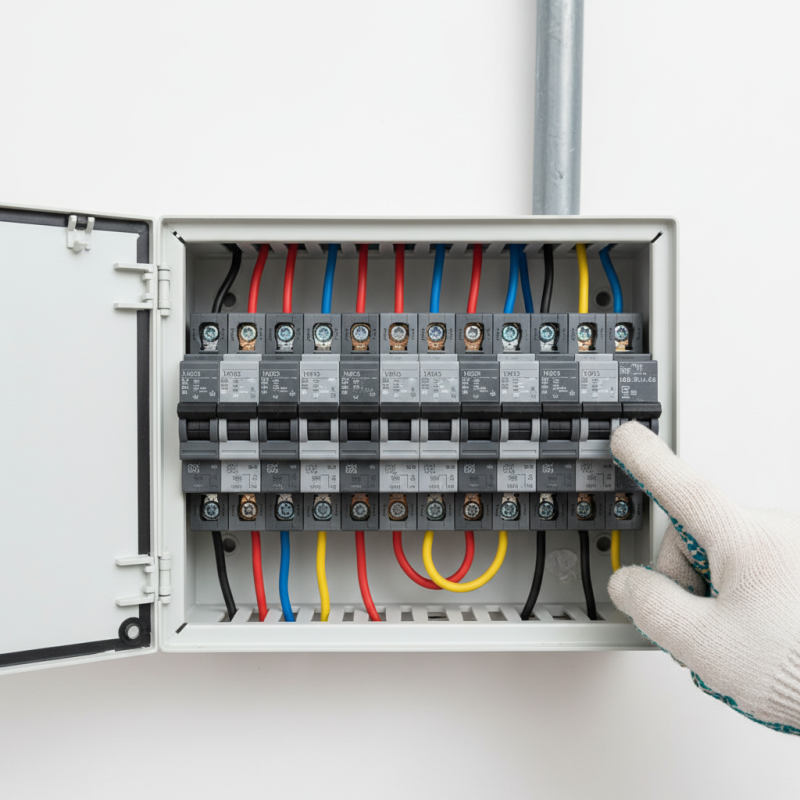
Benefits of MCB Circuit Breakers in Electrical Safety Systems
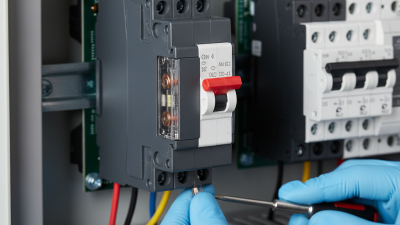
When it comes to electrical safety, MCB circuit breakers stand out for several reasons. They are designed to automatically cut off electricity when there is an overload or short circuit. This feature helps prevent electrical fires and protects your appliances from damage. Unlike traditional fuses, which need to be replaced after a blowout, MCBs can be easily reset. This makes them user-friendly and efficient.
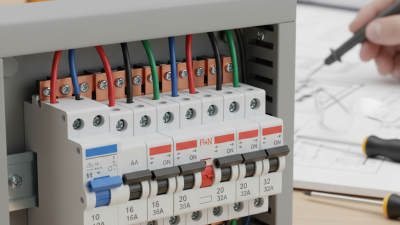
Another significant benefit is their compact size. MCBs take up less space in electrical panels, allowing for more organized and streamlined installations. They also provide precise fault detection. MCBs react quickly to faults, minimizing the risk of further damage. However, not everyone realizes their importance until they experience an electrical issue.
While MCBs are highly reliable, relying solely on them is not enough. Regular maintenance and testing are crucial to ensure they function correctly. Some might overlook this aspect, assuming everything is in perfect condition. Investing in MCBs and complementing them with other safety practices can create a robust electrical safety system. This dual approach enhances household and commercial safety significantly.
Comparison of MCBs and Other Breaker Types: Functional Insights
When it comes to electrical safety, understanding circuit breaker options is crucial. Miniature Circuit Breakers (MCBs) are often favored for their reliability. Unlike fuses, MCBs can be reset without replacement. They provide automatic shut-off during overloads or short circuits, reducing the risk of fires. This feature offers peace of mind for users.
MCBs differ from other breakers, such as Residual Current Devices (RCDs). RCDs focus on preventing electrocution, while MCBs manage overcurrent issues. Choosing the right type depends on your needs. For a home, MCBs can protect against device damage. For outdoor use, consider RCDs for added safety against electric shocks.
Tips: Regularly test your breakers. Make it a habit to check their functionality. Remember, ignorance can lead to risks. Consider professional advice when in doubt. It's worth knowing that even quality breakers can fail, so vigilance is essential. Stay informed about your electrical system to ensure safety.
Key Industry Standards and Ratings for MCB Performance
When it comes to electrical safety, choosing the right equipment is crucial. MCBs, or Miniature Circuit Breakers, play a vital role. They are designed to detect overcurrents and short circuits. This function helps protect not only the circuits but also appliances and homes. An effective MCB can minimize damage caused by electrical faults.
Key industry standards guide MCB performance. Ratings such as amperage and breaking capacity are essential. An MCB's amperage rating specifies how much current it can handle without tripping. This ensures stability in your electrical system. Breaking capacity indicates the maximum fault current the MCB can safely interrupt. Selecting the correct ratings can prevent catastrophic failures in your electrical circuits.
Sometimes, users overlook these standards, leading to issues. For example, an incorrectly rated MCB may trip frequently or fail to protect the circuit adequately. It's crucial to understand the application requirements. A detailed evaluation of your electrical load and potential fault currents can aid in proper selection. Reflecting on these factors will improve safety and reliability in the long run.
Statistics on Electrical Faults Mitigated by MCB Usage
Electrical safety is a critical concern in every household and industrial setup. MCBs, or miniature circuit breakers, play a significant role in preventing electrical faults. Statistics show that the use of MCBs can reduce the risk of electrical fires by up to 80%. This remarkable figure highlights their importance in protecting lives and property.
Moreover, studies suggest that over 30% of electrical faults result from overload and short circuits. MCBs detect these issues quickly and can switch off the power supply efficiently. However, many people overlook the necessity of regular checks on these devices. Neglecting maintenance can lead to complacency, which is dangerous. It’s essential to recognize that, despite their reliability, MCBs are not infallible.
The effectiveness of MCBs enhances when used correctly and installed properly. Improper installation may lead to malfunction, increasing risks rather than decreasing them. Regular testing and updates are needed to ensure optimal performance. The responsibility falls on users to educate themselves about these vital safety devices and to evaluate their setups critically.
Why Choose Mcb Circuit Breaker for Your Electrical Safety Needs? - Statistics on Electrical Faults Mitigated by MCB Usage
| Type of Fault |
Percentage of Faults Mitigated |
Average Response Time (ms) |
Reduced Downtime (hours/year) |
| Overcurrent |
80% |
40 |
5 |
| Short Circuit |
90% |
20 |
3 |
| Earth Fault |
75% |
30 |
4 |
| Voltage Surge |
70% |
60 |
6 |

 +86 13868429846
 Contact Phone
 Contact Email