How to Choose the Right Electric Motor Contactor for Your Application?
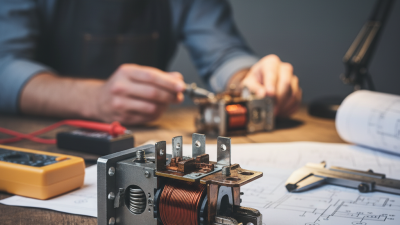
Choosing the right Electric Motor Contactor is crucial for efficient operation. Many applications demand specific features and capabilities. An Electric Motor Contactor serves as a vital switch, controlling motor function with precision.
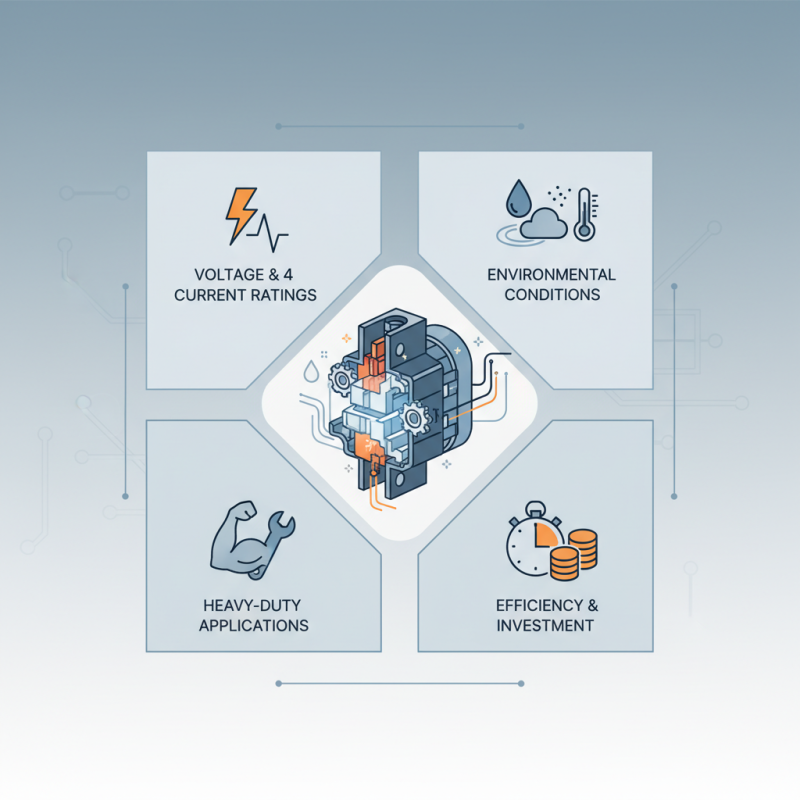
When selecting a contactor, assess the motor's voltage and current ratings. This ensures compatibility and prevents potential failures. Consider the environmental conditions as well. Will it face moisture, dust, or extreme temperatures? Each factor impacts durability and performance.
Not all contactors are created equal. Some may lack the necessary robustness for heavy-duty applications. Reflect on your requirements carefully. A poor choice can lead to operational issues, wasting time and resources. Take the opportunity to evaluate your needs thoroughly, and invest wisely in an Electric Motor Contactor.
Understanding Electric Motor Contactors and Their Functions
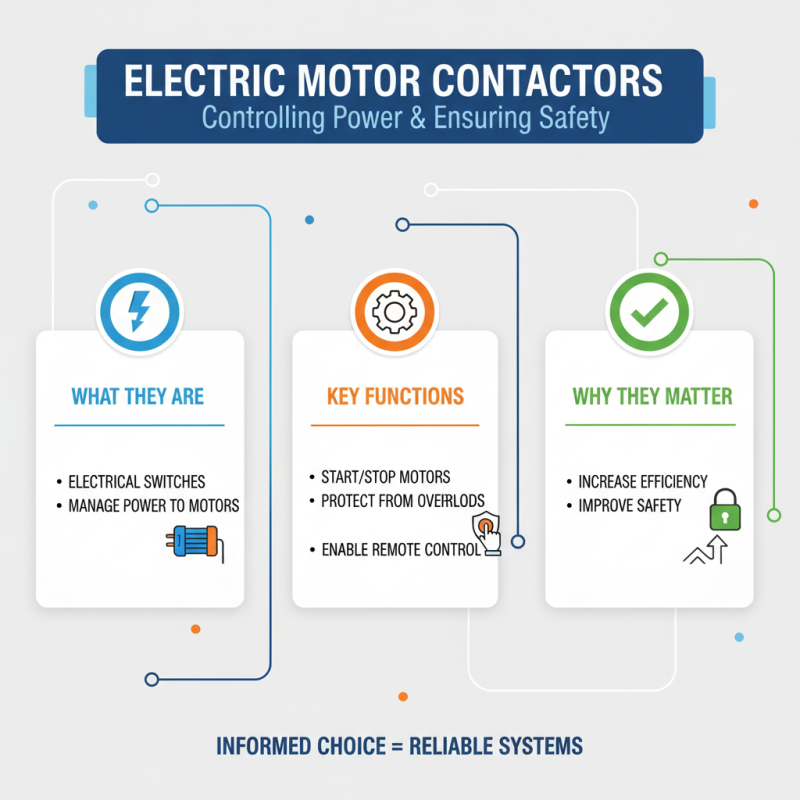
Electric motor contactors play a crucial role in controlling electrical motors. They act as switches, managing the power that reaches the motors. A well-chosen contactor ensures efficiency and safety in various applications. Understanding their functions can help in making informed decisions.
Tips: Always check the motor's voltage and current ratings. This ensures compatibility with the contactor. Mismatched ratings can lead to overheating or failure. Consider the application environment. If conditions are harsh, opt for contactors with protective enclosures.
The choice of contactor also hinges on the type of motor. Induction motors require different control strategies than synchronous motors. Evaluate how often the motor will start and stop. Frequent cycles may demand a contactor with a higher durability rating. Sometimes, standard models don't meet unique needs, forcing a rethink on what options are available.
Key Factors to Consider When Selecting a Contactor
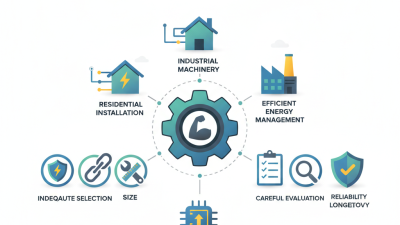
Choosing the right electric motor contactor requires careful consideration. Several key factors can influence your decision. The application type is paramount. Whether it's for a simple motor control or a complex industrial setup will impact your selection.
Another important aspect is the contactor's voltage rating. Ensure it matches your motor's voltage. This prevents potential failures. Current rating is equally crucial. Assess the motor's full load current. Selecting a contactor with adequate rating prevents overheating or damage during operation.
Environmental conditions also matter. High humidity or dust can affect performance. Check the contactor's IP rating to ensure it suits your environment. Additionally, consider the mounting style. Some applications may require specific configurations. Reflect on these factors to avoid common pitfalls in selection. The right contactor can make a significant difference in efficiency and longevity.
How to Choose the Right Electric Motor Contactor for Your Application?
| Factor |
Description |
Importance |
| Current Rating |
The maximum current the contactor can handle without failure. |
High |
| Voltage Rating |
The maximum voltage that can be applied to the contactor. |
High |
| Number of Poles |
Indicates how many circuits the contactor can control. |
Medium |
| Coil Voltage |
The voltage required to energize the coil. |
Medium |
| Duty Cycle |
Determines how often the contactor can operate in a given time. |
High |
| Environmental Ratings |
Resistance of the contactor to dust, moisture, and other environmental factors. |
High |
| Auxiliary Contacts |
Additional contacts used for signaling or control purposes. |
Medium |
| Operating Temperature |
The temperature range in which the contactor can operate effectively. |
Medium |
Types of Electric Motor Contactors and Their Applications
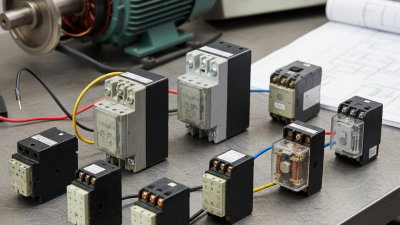
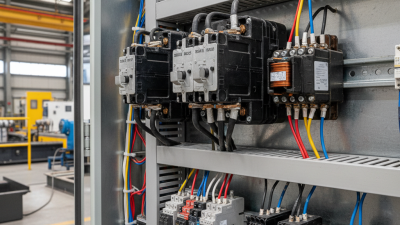
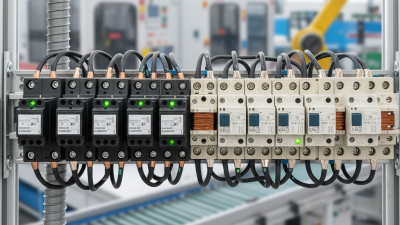
Electric motor contactors are essential in controlling motor operations. They function as switches to manage power and protect equipment. Different types of contactors cater to various applications. Magnetic contactors, for instance, are commonly used in HVAC systems. They provide reliable performance, yet their scope in some extreme conditions can lead to inefficiencies.
On the other hand, overload relay contactors protect motors from overheating. According to industry reports, these contactors can reduce energy waste by up to 30%. This indicates the potential for improved efficiency. However, improper sizing or selection often causes issues, leading to higher operational costs. In industrial settings, selecting the wrong contactor can mean significant downtime.
Electromechanical contactors still remain popular for various automation tasks. They have a simple design, which simplifies maintenance. Yet, they are not without challenges. Capacitive loads can cause arcing, and sensitivity issues may arise during operation. Reports suggest that about 15% of contactor failures stem from these problems. Choosing the right type requires careful consideration of application specifics. Proper assessment can greatly enhance performance and reliability in the long run.
Sizing and Rating: Ensuring Compatibility with Your Motor
When choosing an electric motor contactor, understanding sizing and rating is crucial. One important aspect is the contactor's voltage rating. It should match the motor's operating voltage. For instance, an AC motor typically operates at 230V or 460V. Using a contactor with a lower voltage rating could lead to equipment failure. Reports indicate that improper voltage matching can reduce motor lifespan by up to 30%.
Additionally, the current rating of the contactor is vital. It must exceed the motor's full-load current. A general rule is to choose a contactor rated for at least 125% of the motor's full-load current. However, many overlook the fact that temperature affects performance. High ambient temperatures can lead to reduced contactor performance. This is something to consider based on the installation environment.
Another aspect is the durability of the contactor. Not all contactors are created equal. For example, heavy-duty applications require contactors designed for higher cycling rates. Research shows that a standard contactor might only last 1 million cycles, while heavy-duty versions may reach 10 million cycles. It highlights the need for careful thought regarding longevity and reliability.

 +86 13868429846
 Contact Phone
 Contact Email