How to Choose the Best Din Rail Protector for Your Electrical Projects?
In the world of electrical engineering, the importance of safety cannot be overstated. A sturdy Din Rail Protector is essential for safeguarding sensitive equipment in various applications. According to a report by Research and Markets, the global market for electrical enclosures, including Din Rail Protectors, is projected to grow at a CAGR of over 6% from 2021 to 2026. This indicates a rising demand for reliable protection solutions in electrical projects.
Choosing the right Din Rail Protector requires careful consideration of several factors. Not all protectors are created equal. Some may offer limited functionality, leading to potential failures in critical systems. For instance, improper selection can result in excessive heat buildup or inadequate surge protection. Industry experts highlight the importance of understanding your project's specific needs to avoid costly mistakes.
While many products claim to offer superior protection, not every brand meets industry standards. It’s crucial to verify certifications and customer reviews. An experienced technician can make all the difference, ensuring that the chosen solution aligns with safety requirements. Taking the time to assess options more thoroughly can prevent serious repercussions down the line.
Understanding the Role of Din Rail Protectors in Electrical Projects
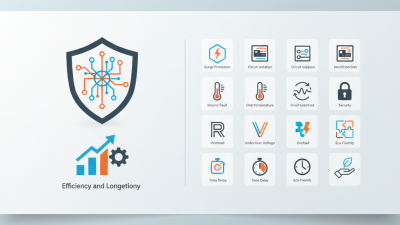
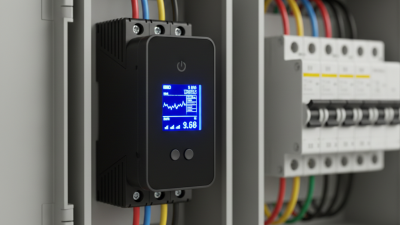
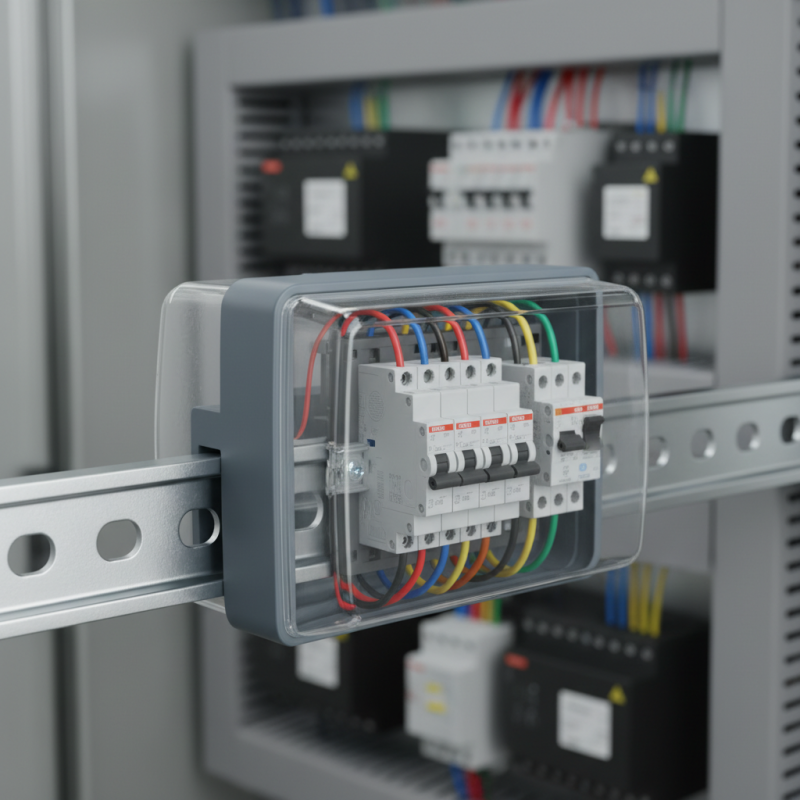
Din rail protectors play a crucial role in ensuring the safety and efficiency of electrical projects. They serve as essential barriers against potential electrical faults. These protectors safeguard delicate components from overvoltages and transient surges. By channeling excess voltage away, they reduce the risk of damage. Electrical systems can be prone to malfunctions without proper protection. Consequently, choosing the right din rail protector is vital for long-lasting installations.
When assessing din rail protectors, consider several factors. Look into their voltage ratings and surge protection capabilities. The environment also matters; some protectors are designed for demanding conditions. Dust, moisture, and temperature fluctuations can impact performance. You should evaluate the specifications carefully to ensure compatibility with your project’s needs. It can be easy to overlook these details in the selection process, leading to potential failures.
Your choices in protectors affect operational reliability and safety. Investing time in understanding their role will pay off in the long run. Ignoring the specifics may lead to complications down the line. Therefore, a thoughtful approach to selecting din rail protectors not only enhances safety but also improves overall project performance.
How to Choose the Best Din Rail Protector for Your Electrical Projects?
| Feature |
Description |
Importance |
| Surge Protection Rating |
Indicates the voltage level the protector can handle. |
Critical for protecting sensitive equipment from voltage spikes. |
| Response Time |
Duration it takes for the protector to react to a surge. |
Faster response times reduce potential damage to equipment. |
| Mounting Type |
The method of installation, such as snap-on or screw-mounted. |
Most suitable for the project’s physical space and layout. |
| Clamping Voltage |
The maximum voltage allowed before protection activates. |
Affects the protection level and safety of connected devices. |
| Nominal Current Rating |
The current the device is designed to handle under normal operation. |
Ensures compatibility and prevents overheating during use. |
| Physical Size |
Dimensions of the protector to fit within the installation space. |
Space considerations in electrical panels are crucial for fit. |
Types of Din Rail Protectors and Their Specific Applications
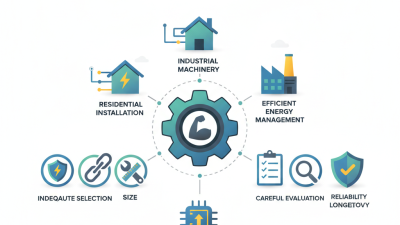
When selecting a DIN rail protector, understanding the types available is crucial. One common type is the surge protection device (SPD). SPDs are essential for safeguarding your equipment from voltage spikes. They can efficiently handle unexpected surges, preventing costly damage to sensitive components. These protectors are often used in industrial settings where machinery operates under high electrical loads.
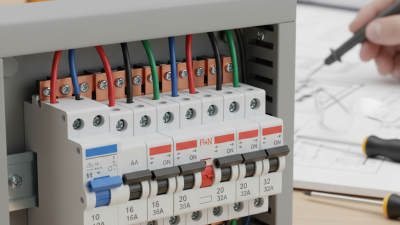
Another type is the circuit breaker adapter. These protectors provide overcurrent protection, ensuring that your electrical circuits do not exceed their safe limit. They are widely used in commercial facilities and homes. It’s vital to choose breakers that match your system's voltage and current ratings. Consider the specific electrical environment before making a choice.
You might encounter some challenges in selecting the right protector. Not all protectors are compatible with every setup. Misconfigured protectors can lead to failures in protection. Be sure to assess your project's unique requirements. Measure the electrical load and potential risks accurately, and select protectors that meet those needs.
Factors to Consider When Selecting a Din Rail Protector
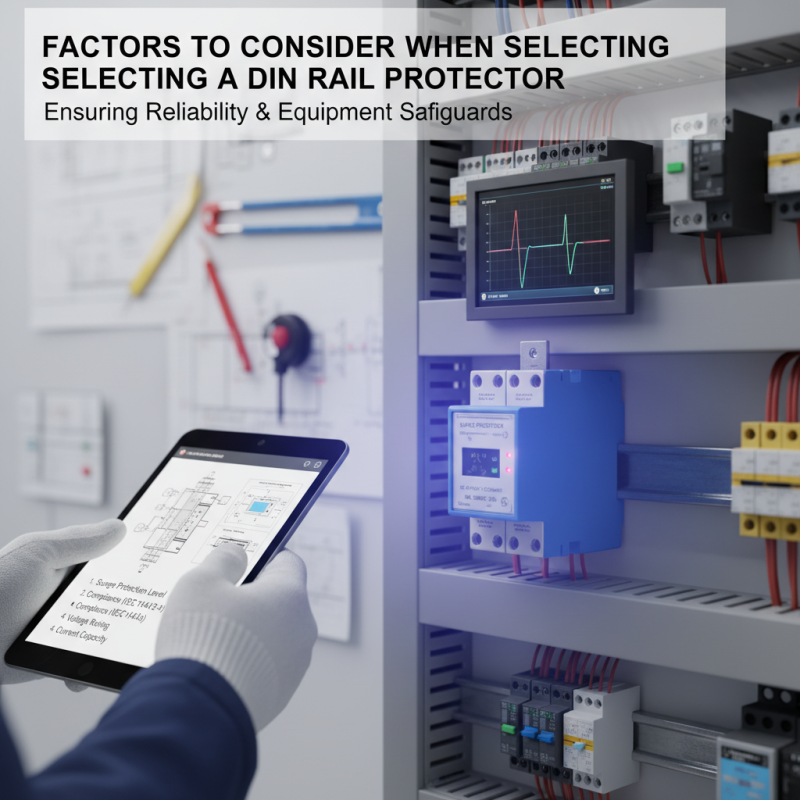
When selecting a DIN rail protector for electrical projects, there are several critical factors to consider. One important aspect is the surge protection level. According to industry reports, devices should provide adequate protection against transients. A standard guideline is to choose protectors that comply with the IEC 61643-11 standard. These ratings ensure reliability when safeguarding your electrical equipment.
Another vital factor is the installation environment. For outdoor applications or locations prone to moisture, opt for IP-rated protectors. An IP67 rating ensures dust tightness and protection against immersion. Moreover, the temperature range is crucial, as some models may not perform well in extreme conditions. Testing under varied temperatures can prevent future issues.
Finally, consider the capacity and response time of the protector. Industry data shows that a lower response time can minimize damage to connected devices. A device with a response time under 25 nanoseconds is often recommended for sensitive electronics. Paying attention to these details can help you avoid costly failures and ensure seamless operations in your projects.
Comparing Material Quality and Durability in Din Rail Protectors
When selecting din rail protectors for electrical projects, material quality significantly influences both performance and longevity. Protectors made from polycarbonate are often preferred due to their high impact resistance. According to industry reports, polycarbonate can withstand temperatures up to 120°C without deforming. This heat resistance enhances the overall durability of the protector, making it ideal for environments where heat levels fluctuate.
In contrast, protectors crafted from lower-quality plastics may be less durable. They can degrade when exposed to UV light or extreme temperature variations. Some studies suggest that nearly 30% of lower-quality protectors fail within the first year of use. This failure can lead to electrical malfunctions or damages, extending project timelines and increasing costs. While some may opt for these cheaper alternatives to save upfront costs, the long-term implications could be detrimental.
To note, not all materials are created equal. Evaluating the specific operational environment is crucial. Many engineering reports emphasize the importance of assessing chemical resistance when selecting a material. A protector might perform well under typical conditions but fail when exposed to corrosive substances. This adds another layer of complexity to the decision-making process, requiring a thorough understanding of both the application and potential risks associated with material degradation.
Material Quality Comparison in Din Rail Protectors

 +86 13868429846
 Contact Phone
 Contact Email