How to Choose the Right Mcb Automatic Switch for Your Electrical Needs?
In today’s electrical landscape, choosing the right MCB Automatic Switch is crucial for ensuring safety and efficiency in homes and industries. According to the International Electrotechnical Commission, over 400 million MCBs are sold annually worldwide. This highlights their importance in protecting electrical circuits from overloads and short circuits. An MCB not only prevents equipment damage but also safeguards lives.
Selecting the appropriate MCB Automatic Switch involves understanding your specific needs. Factors such as load capacity, voltage rating, and application type play significant roles. The market is flooded with options, yet not every switch will suit every situation. A reliable choice requires analysis of your electrical system and understanding the characteristics of MCBs. The incorrect selection can lead to malfunctions, which may cost more in repairs.
Expert reports indicate that the right MCB can enhance energy efficiency by reducing power consumption by up to 20%. This indicates the financial benefits alongside safety improvements. However, it’s essential to reflect on past experiences when troubleshooting circuit issues. Often, installations can overlook necessary specifications, leading to inadequate performance. Making informed choices ensures that the selected MCB meets your electrical needs effectively.
Understanding the Functionality of MCB Automatic Switches
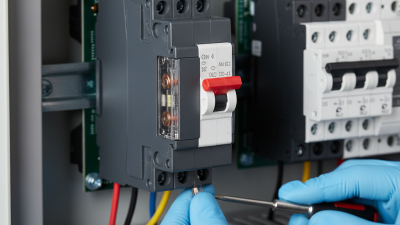
Choosing the right MCB automatic switch is crucial for electrical safety. Understanding its functionality helps streamline this decision. MCBs, or Miniature Circuit Breakers, are designed to protect circuits from overloads and short circuits. When current exceeds safe levels, these devices automatically disconnect the power supply. This action prevents potential hazards, such as electrical fires.
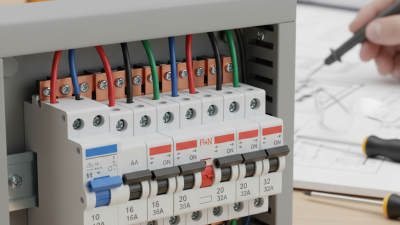
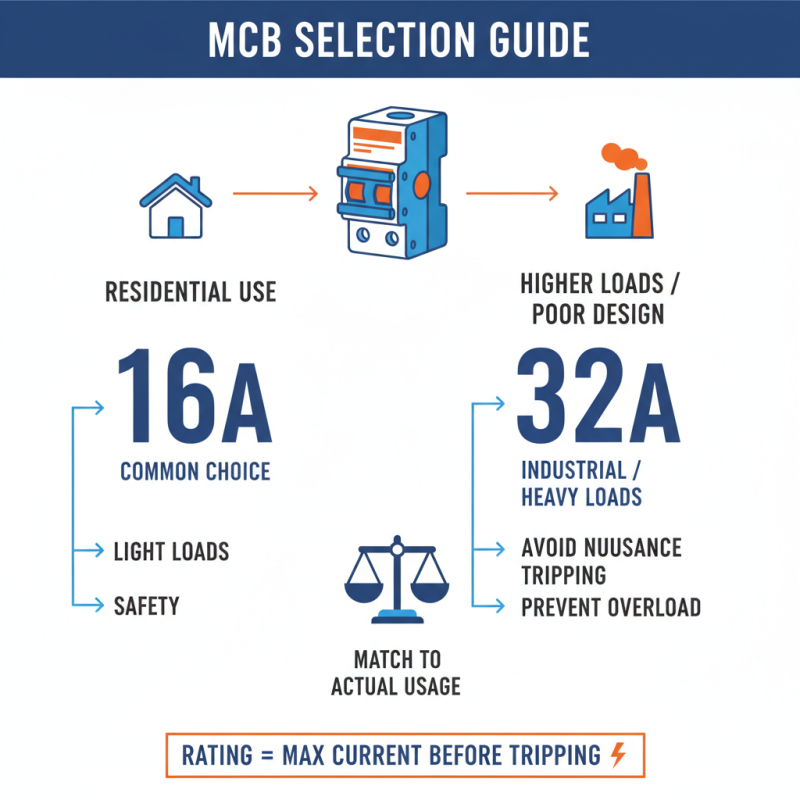
One important aspect is the current rating. MCBs come in various ratings to suit different applications. Selecting the correct rating is essential to ensure protection without nuisance tripping. For example, a household circuit might need a 16A rating, while an industrial application could require 32A or more. Additionally, consider the type of load. Resistive loads, like heaters, differ from inductive loads, such as motors. This distinction impacts the MCB selection.
Another factor is the breaking capacity. This rating indicates the maximum fault current an MCB can handle. Choosing an MCB with insufficient breaking capacity could lead to severe issues. It's vital to assess your electrical system's potential fault levels. You may need to consult an expert to determine this accurately. Sometimes, trial and error may be unavoidable. Ultimately, evaluating your specific needs and understanding these key functionalities can guide you toward the right MCB choice for your situation.
Identifying Your Electrical Load Requirements
When selecting a miniature circuit breaker (MCB) automatic switch, understanding your electrical load requirements is crucial. Accurate identification of these needs ensures the safety and efficiency of your electrical system. Begin by calculating the total wattage of all devices that will be connected. This includes lighting, appliances, and any additional equipment. A simple multiplication of voltage and current can help achieve this.
Consider the nature of the load as well. Is it a resistive load like heaters and lighting? Or is it more complex, involving motors or sensitive electronics? Such distinctions can influence the MCB type you need. Additionally, take note of the peak loads during operation. Many inexperienced users overlook this detail, which can lead to incorrect MCB ratings.
Reflecting on previous electrical setups can provide insight. Have there been moments when devices tripped circuits due to inadequate protection? Learning from these instances can guide your choices. A well-chosen MCB can prevent future inconveniences and enhance overall safety. Balancing your load requirements with MCB specifications is an exercise in precision and foresight.
Selecting the Appropriate MCB Rating and Characteristics
When selecting an MCB (Miniature Circuit Breaker), understanding the appropriate rating and characteristics is crucial. The rating of an MCB is typically based on the maximum current it can handle before tripping. A common choice for residential applications is a 16A MCB. However, poor electrical design may require a higher rating, like 32A, depending on the load. The choice should reflect actual usage to avoid nuisance tripping and ensure safety.
Another essential factor is the type of MCB. There are Type B, C, and D breakers, each suited for different applications. Type B trip at 3-5 times their rated current, making them ideal for residential wiring. In contrast, Type C suits commercial uses where machines may draw heavy inrush currents. The selection must align with the nature of the load to prevent unplanned outages and equipment damage, often recommended to consult with a professional to analyze specific electrical needs.
Data from the International Electrotechnical Commission (IEC) shows that improper MCB selection can lead to increased fire risks and equipment failures. For instance, over 30% of electrical fires result from inadequate protection measures. Therefore, understanding your electrical load is crucial in MCB selection. While it may seem straightforward, many overlook this aspect, leading to safety hazards in homes and businesses alike.
Evaluating Different Types of MCBs for Specific Applications
When selecting Miniature Circuit Breakers (MCBs), it’s crucial to understand their different types. Each type serves a specific application. For instance,
Type B MCBs are often used for residential circuits. They trip between 3 to 5 times the rated current, ideal for general lighting and socket circuits. Understanding this helps in avoiding overload situations.
Type C MCBs are suited for commercial applications. They can handle higher inrush currents from devices like motors. Their tripping threshold is 5 to 10 times the rated current. This adaptability makes them a popular choice for industrial settings. However, using a Type C MCB in a residential environment may lead to nuisance tripping.
Type D MCBs cater to specialized scenarios, such as large machinery. They can withstand inrush currents above 10 times the rated current. While effective, choosing the wrong MCB can lead to significant equipment damage. It requires careful consideration of specific electrical loads and environment. Remember, not all situations are straightforward. Reflecting on the unique requirements of your setup is essential.
Ensuring Compliance with Safety Standards and Regulations
When selecting an MCB (Miniature Circuit Breaker) automatic switch, adherence to safety standards is crucial. These standards are designed to protect both people and property from electrical hazards. According to the International Electrotechnical Commission (IEC), over 7,000 fires annually result from faulty electrical installations. Choosing the right MCB can significantly reduce this risk.
Compliance with safety regulations, such as those outlined in the NEC (National Electrical Code), ensures devices are tested for quality and reliability. The MCB should be rated for the appropriate amperage for your application. For residential use, commonly found ratings are 6A, 10A, and 16A. Inadequate rating can lead to overloading, causing unsafe conditions. It is essential to reference installation guides, which often detail the required specifications based on your electrical load.
Furthermore, understanding the trip characteristics of MCBS is vital for safety. A type B MCB, for instance, is suitable for domestic applications, responding quickly to minor overloads. Some installations may require type C or D breakers for enhanced protection. A report from the Electrical Safety Foundation International indicates that approximately 50% of electrical faults occur due to incorrect device selection. This clarifies the importance of informed decision-making in MCB selection.

 +86 13868429846
 Contact Phone
 Contact Email