How to Choose the Right Mcb Circuit Breaker for Your Needs?
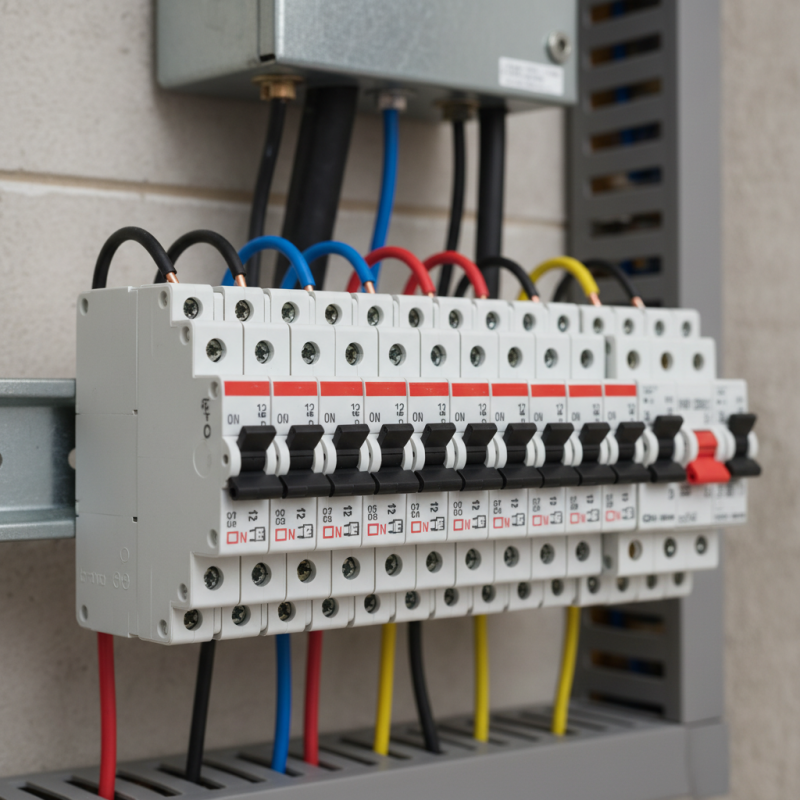
Choosing the right Mcb Circuit Breaker is crucial for both safety and efficiency. A Mcb Circuit Breaker protects your electrical systems from overloads and faults. Understanding your specific needs is essential for making an informed decision.
Consider factors like voltage, current rating, and the type of electrical appliances you use. Not every Mcb Circuit Breaker suits all situations. Mistakes can lead to serious consequences, such as equipment damage or safety hazards.
Evaluate your options thoroughly. Reflect on the potential risks you might overlook. The right Mcb Circuit Breaker enhances safety and prolongs the life of your electrical system. Invest time in understanding your choices to ensure optimal protection.
Understanding the Basics of MCB Circuit Breakers
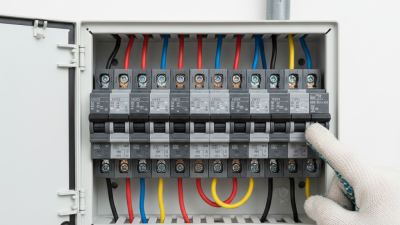
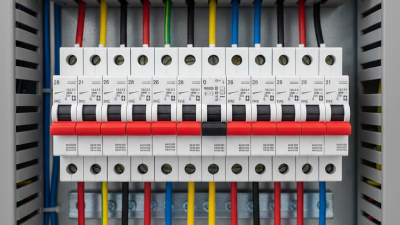
Understanding MCB circuit breakers is essential for both safety and functionality in electrical systems. An MCB, or Miniature Circuit Breaker, automatically disconnects a circuit during overload or short circuit events. This helps prevent potential hazards, protecting both equipment and lives.
There are various types of MCBs, each suited for different applications. It's crucial to assess your specific needs. Consider the load type—whether it’s resistive, inductive, or capacitive. Each offers distinct characteristics. Additionally, evaluate the breaking capacity required for your installation. This capacity determines how much fault current the MCB can interrupt without failing.
Installation may seem straightforward, but improper choices could lead to hazards. Regular checks can reveal issues that require attention. Reflect on the circuit demands over time, as changes might necessitate a different MCB.
Balancing safety and performance often involves tough decisions. Adapting to evolving requirements ensures that your electrical system remains robust and secure.
Identifying Your Electrical Needs and Load Requirements
When selecting an MCB circuit breaker, understanding your electrical needs is crucial. Begin by assessing your load requirements. According to the National Electrical Code (NEC), it's essential to calculate the total wattage of devices. For instance, if your home appliances total approximately 6,000 watts, you may need a breaker rated for 30 amps. This simple calculation helps ensure safety and reliability.
Consider diversity factors in your load. Not all devices will operate simultaneously. Industry data suggests that a diversity factor of 0.75 is reasonable for residential settings. This reduces the overall demand, allowing for smaller circuit breakers. However, miscalculating can lead to frequent tripping or even potential fire hazards. Hence, awareness of your electrical consumption patterns is vital.
Another aspect is the type of MCB suited for your application. A B-type MCB might be sufficient for general applications. Yet, if you have sensitive equipment, such as computers, consider a C or D-type breaker. Each type offers different tripping characteristics. Take time to evaluate your electrical layout carefully. Small oversights can result in significant issues down the line.
How to Choose the Right Mcb Circuit Breaker for Your Needs?
| Load Type |
Total Load (kW) |
Recommended MCB Rating (A) |
Usage Scenario |
| Lighting Circuits |
2 |
10 |
Residential Lighting |
| Small Appliances |
3 |
16 |
Kitchen Outlets |
| Air Conditioning |
5 |
20 |
HVAC Systems |
| Heavy Machinery |
10 |
40 |
Industrial Equipment |
| General Purpose |
8 |
32 |
Office Spaces |
Evaluating MCB Specifications: Current Rating and Type
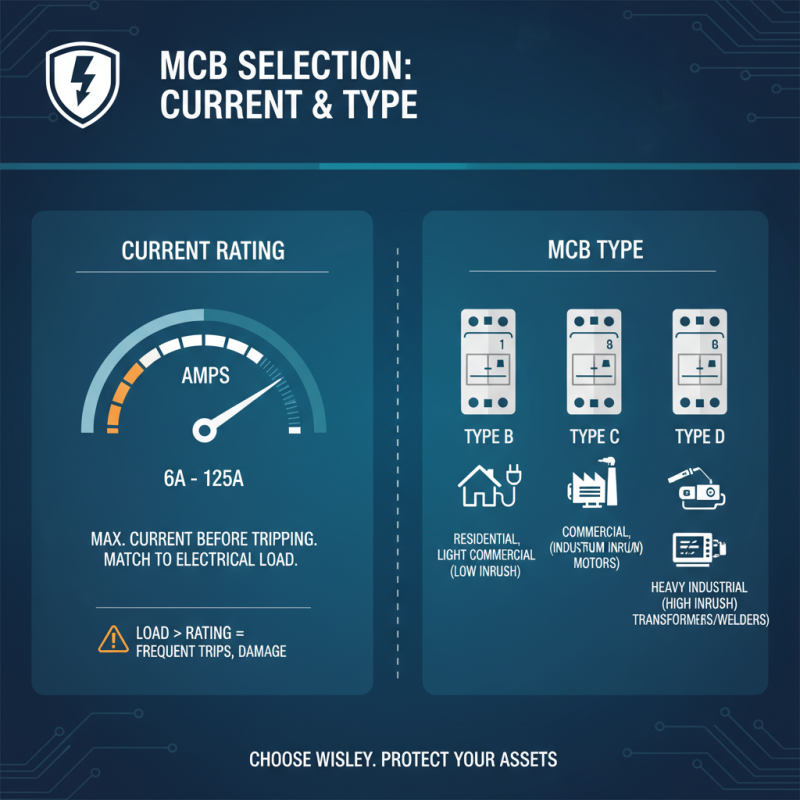
When selecting a miniature circuit breaker (MCB), current rating is a crucial specification to consider. This rating indicates the maximum current the MCB can handle without tripping. It is essential to accurately assess your electrical load. If the load exceeds the rating, the breaker will frequently trip, causing inconvenience and potential damage. MCB ratings typically range from 6A to 125A. Understanding your requirements helps in choosing the right one.
In addition to current rating, the type of MCB plays a significant role in performance. MCBs are classified into several types, including Type B, C, and D. Each type responds differently to overloads and short circuits. Type B is sensitive to low inrush currents, making it ideal for residential applications. Type C is suited for lighting and heating circuits, handling moderate inrush currents. Type D is designed for high inrush applications, common in industrial settings. Choosing the right type ensures both safety and functionality.
Evaluating these specifications can be challenging. It's easy to underestimate electrical needs or overlook the implications of the chosen type. Inaccurate assessments can lead to inadequate protection. Always consult with a professional if unsure, ensuring reliable and safe operation in your electrical system.
Considering Installation Environment and Safety Standards
When choosing an MCB circuit breaker, understanding the installation environment is crucial. Different environments have unique demands. For instance, a damp area needs a breaker with better moisture resistance. High dust levels? Consider a model that can handle dust ingress. These factors greatly influence the longevity and reliability of the breaker.
Safety standards are another important aspect. Each region may have specific regulations that a circuit breaker must meet. Familiarizing yourself with these standards ensures compliance. It is wise to consult local codes before making a decision. Professional advice is valuable here. Even seasoned electricians can miss crucial details.
Installation is not just about plugging in the breaker. Proper mounting can affect performance. Ensure the panel is secure and accessible. Check the thermal conditions where the breaker will function. Hot environments can lead to malfunction or reduced lifespan. Reflect on these aspects, as neglecting them can lead to serious issues later on.
Selecting the Right Brand and Model for Reliability
Choosing the right brand and model of MCB circuit breakers is crucial for reliability. Start by researching manufacturers known for engineering excellence. Look for companies with a long history in the industry. Their experience often translates into safer and more dependable products.
Next, evaluate compliance with quality standards. Many brands provide certifications that indicate adherence to safety regulations. A reliable circuit breaker should meet local electrical code requirements. Reading customer reviews can uncover potential issues. Feedback often highlights both strengths and weaknesses.
Consider the warranty offered by the manufacturer. A robust warranty indicates confidence in the product. Yet, warranties can differ greatly between brands. Some may not cover all scenarios, leading to unexpected costs. Assess the specifications carefully to ensure they meet your specific needs. While it may feel safe to choose a well-known name, smaller brands can offer competitive products. Balancing reputation with practical performance is essential for a satisfactory choice.

 +86 13868429846
 Contact Phone
 Contact Email