What is Electric Motor Contactor and How Does It Work?
Electric Motor Contactors play a pivotal role in controlling electrical circuits, particularly in motor operations. These devices act as switches, regulating power flow to motors in various applications, from industrial machinery to household appliances. Understanding their function is essential for those involved in electrical engineering and maintenance.
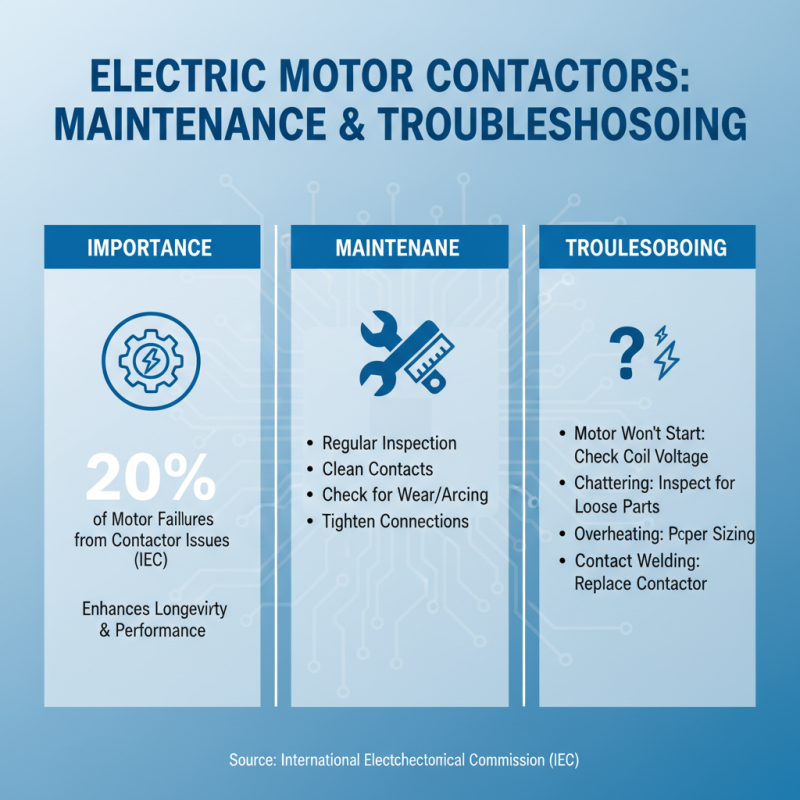
The Electric Motor Contactor operates through electromagnetic principles. When energized, it creates a magnetic field that pulls the contacts together, allowing current to flow. This mechanism ensures that motors can start and stop efficiently, making it a crucial component in automation systems. However, one must consider the potential for wear and failure over time. Regular maintenance is necessary to ensure reliability and performance.
While Electric Motor Contactors are often efficient, they are not infallible. Issues can arise from electrical surges or mechanical wear, leading to unexpected downtime. Being aware of these limitations is crucial for engineers and technicians. Understanding the intricacies of Electric Motor Contactors enables better troubleshooting and prevention strategies, ultimately enhancing system longevity and safety.
Definition and Purpose of Electric Motor Contactors
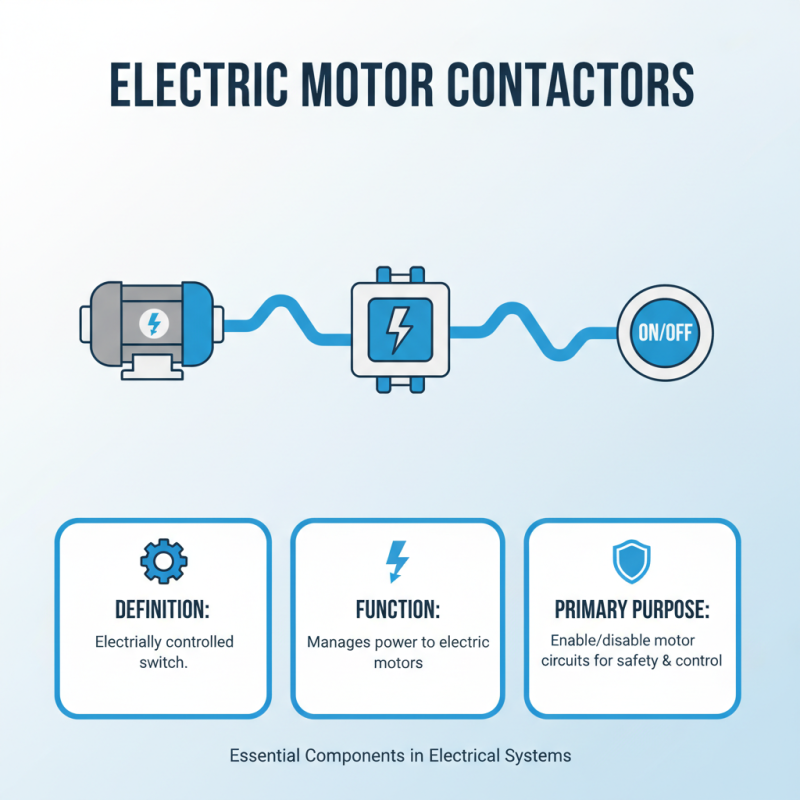
Electric motor contactors are essential components in electrical systems. They serve as electrically controlled switches that manage the power delivered to electric motors. The primary purpose of these devices is to enable or disable motor circuits efficiently. This allows for safe operation and control of high-voltage equipment.
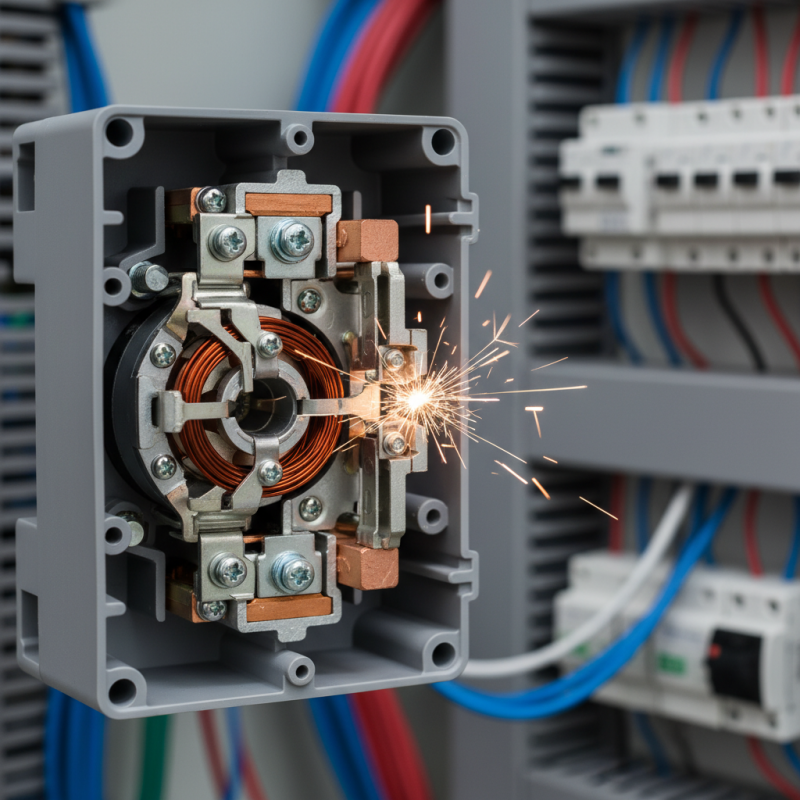
These contactors work by using an electromagnet to move mechanical contacts. When electricity flows through the coil, it generates a magnetic field that attracts the armature. This action closes the contacts, allowing current to pass through the motor. When the electric supply is cut off, the spring mechanism opens the contacts, stopping the motor.
The design of electric motor contactors varies widely. Some are built for high-frequency operation, while others are rugged for industrial use. The choice depends on the application. Each motor system presents unique challenges that require careful consideration. Sometimes, contactors may fail or malfunction. Regular maintenance is crucial, yet often overlooked. It's important to monitor these devices to ensure they operate efficiently and safely.
Key Components of an Electric Motor Contactor
An electric motor contactor is vital in controlling motor operation. It consists of several key components that work together. Understanding these parts enhances your knowledge of how contactors function.
The coil is a crucial component. When energized, it creates a magnetic field that pulls the contacts closed. These contacts, often made of conductive materials, complete the circuit and allow current to flow to the motor. Make sure the coil voltage matches your system to avoid malfunctions.
Another essential part is the housing. It protects internal components from dust and damage. A robust housing can increase the lifespan of a contactor. Regularly inspect for wear or cracks to maintain reliability.
Tips: Always check the contactor's ratings. This ensures your system operates safely. Replace worn contacts promptly. Ignoring small issues can lead to bigger problems down the line.
Lastly, the auxiliary contacts allow for additional control options. They can signal the status of the motor or engage other devices. Utilizing auxiliary contacts can enhance system monitoring.
How Electric Motor Contactors Function Mechanically and Electrically
Electric motor contactors are crucial components in electrical systems. They serve as the intermediary between the power supply and the motor, controlling the flow of electricity. Mechanically, a contactor consists of terminals, an electromagnet, and movable contacts. When electrical current flows through the coil, it creates a magnetic field that moves the contacts, closing the circuit and allowing power to reach the motor.
Electrically, the operation hinges on the electromagnetic principles. When energized, the coil generates a magnetic force that pulls the movable contacts toward fixed contacts. This mechanism enables the contactor to handle high power loads safely. Reports indicate that contactors must withstand high inrush currents, which can be up to six times the normal operating current. Therefore, selecting the right size is critical for reliable operation.
Additionally, while contactors are designed for durability, they can fail over time due to wear and environmental factors. Regular maintenance is essential to ensure their longevity and reliable performance. Industry data suggests that improper installation or inadequate sizing of contactors leads to frequent operational issues. An understanding of their mechanical and electrical behavior is vital for engineers and technicians. This knowledge helps mitigate risks and improves system efficiency.
Applications of Electric Motor Contactors in Various Industries
Electric motor contactors play a crucial role in various industries by controlling the operation of electrical motors. These devices act as switches that allow a motor to start or stop efficiently. They ensure the reliable functioning of motors in applications such as manufacturing, HVAC systems, and water treatment facilities.
In the manufacturing sector, electric motor contactors manage conveyor belts, robots, and machinery. They are essential for ensuring safety and efficiency in production lines. In HVAC systems, contactors control fans and compressors, optimizing climate control in buildings. Water treatment plants also rely on them, controlling pumps to maintain water quality.
Tips: Regular maintenance of motor contactors is vital. Check for overheating or wear on contact points. Monitor performance during operation. These steps enhance longevity and prevent failures.
While electric motor contactors are generally reliable, occasional failures can occur. Understanding these devices can help industries maximize their potential. Training staff on their use is beneficial. It can lead to better troubleshooting and safer operations. Implementing feedback loops can help refine the process further.

 +86 13868429846
 Contact Phone
 Contact Email