10 Essential Tips for Choosing the Right Controller Protection Board?
Choosing the right Controller Protection Board is vital for your project's success. A robust protection board can safeguard your system from electrical discrepancies. With various options available, making the right decision might feel overwhelming.
It’s essential to consider factors like voltage rating, current capacity, and specific application needs. Each element plays a significant role in ensuring efficiency and safety. A mismatched board can lead to operational failures, costing time and resources.
Expert insights suggest researching manufacturers for reliability and performance history. Not all options are equal. Some boards may fall short in crucial areas. Prioritizing quality over cost is often a wise choice. A well-informed decision today can prevent serious setbacks tomorrow.
Understanding the Role of a Controller Protection Board in Electronics
Choosing the right controller protection board is crucial in electronics. These boards are designed to safeguard sensitive components against voltage spikes and overcurrents. They ensure equipment longevity and operational stability. Understanding their role can simplify complex systems and enhance device performance.
Controller protection boards act as a barrier, absorbing excess energy. This function prevents damage to critical electronics. When selecting a board, you must consider various factors. Assess voltage ratings, current handling capacity, and response time. Each application may require a different approach. An architect may prioritize precision, while a hobbyist might focus on cost-effectiveness.
Moreover, verifying the quality and reliability of these boards is essential. Evolving technologies often mean that not all products on the market are equally robust. Inexperience can lead to mistakes. It's important to read reviews and consult experts when choosing. Some choices may seem perfect initially but could lead to issues later. Relying solely on specifications without real-world testing may backfire.
Key Features to Look for in a Controller Protection Board
When selecting a controller protection board, it’s crucial to consider key features that ensure reliability. One important aspect is thermal management. A good board should have efficient heat dissipation to maintain optimal performance. Poor thermal handling can lead to failures and damage.
Another critical feature is overcurrent protection. This protects the controller from excessive current that can cause malfunctions. Without this, unexpected surges can lead to major issues. Look for boards with built-in fuses or circuit breakers. These elements provide peace of mind and enhance the board's durability.
Additionally, consider the compatibility of the board with your controller system. Not all boards fit all controllers. Do thorough research. It’s a common mistake to overlook this, leading to compatibility problems later on. Reading specifications carefully can save you time and frustration.
Ultimately, regular evaluations of your choices will strengthen your decision-making process. Choose wisely and invest time into understanding these critical features. A thoughtful selection now means fewer regrets down the line.
10 Essential Tips for Choosing the Right Controller Protection Board
| Feature |
Importance |
Recommended Value |
Comments |
| Overvoltage Protection |
Prevents damage from voltage spikes |
< 5% above rated voltage |
Essential for longevity |
| Overcurrent Protection |
Safeguards against excessive current |
< 10% above rated current |
Critical for component safety |
| Thermal Management |
Reduces risk of overheating |
< 85°C operating temperature |
Use heatsinks or cooling fans |
| Short Circuit Protection |
Prevent catastrophic failure |
Instant cut-off response |
Key for circuit reliability |
| LED Indicators |
Provides status information |
Green for normal, Red for fault |
Helps in troubleshooting |
| Size and Form Factor |
Fits in intended space |
Compact design preferred |
Ensure compatibility |
| Input Voltage Range |
Compatibility with power supply |
Wide range (e.g., 24V - 36V) |
Increases flexibility |
| Quality of Components |
Direct impact on longevity |
Use high-grade materials |
Invest for reliability |
| Price vs. Performance |
Balance budget and features |
Competitive pricing |
Evaluate overall value |
| User Reviews and Ratings |
Real-world performance insights |
Look for 4+ stars |
Helps in the decision-making |
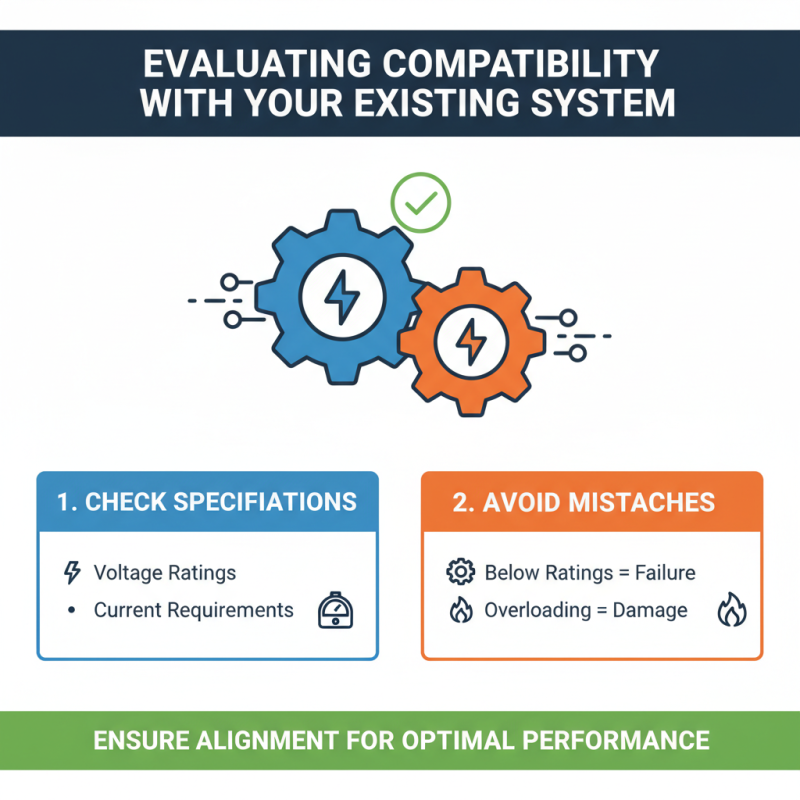
Evaluating Compatibility with Your Existing System
When selecting a controller protection board, compatibility with your existing system is crucial. A mismatch can lead to inefficiencies or even damage. Start by checking specifications. Ensure voltage ratings align. Gauge the current requirements thoroughly. A board operating below these ratings can cause failure while overloading can lead to disasters.
Don’t overlook physical dimensions. An incompatible size may hinder installation. Measure your space accurately. Evaluate connection types too. Whether it's a pin-header or screw terminal, compatibility is key. Sometimes, a solution may seem perfect on paper but fail during practical application.
In certain cases, your existing system may have specific quirks. Its behavior could differ, depending on the load conditions. It’s worth considering these nuances when selecting boards. Read community reviews and technical forums for real user experiences. Often, real-life feedback unveils compatibility issues that specifications do not reveal. Taking time to evaluate these factors can save you from potential headaches down the road.
Assessing Thermal Management and Heat Dissipation Capabilities
When selecting a controller protection board, thermal management is crucial. Heat dissipation capabilities impact performance and longevity. It is vital to assess how well a controller can handle heat generated during operation. Materials with high thermal conductivity can enhance heat dissipation. Look for boards that feature heat sinks or fans to facilitate airflow.
Consider the operating environment as well. In high-temperature settings, boards without effective thermal management can fail quickly. Liquid cooling systems are an option for extreme cases but may complicate installation and maintenance. Balancing performance with practicality can be challenging.
Thermal testing can reveal weaknesses in designs. A board may pass initial assessments but struggle under actual load. Regular monitoring of temperatures is advisable. This aspect often gets overlooked, leading to potential failures down the line. Focus on designs with redundancy in thermal management. This ensures that even if one method fails, others continue to manage heat effectively.
Budget Considerations When Selecting a Controller Protection Board
Choosing the right controller protection board is a crucial decision, especially when balancing performance and cost. A limited budget can make this task challenging. It’s essential to evaluate the features that matter most for your application. Not all functionalities are necessary for every project. Identify what you need versus what is available on the market.
Consider the materials used in the board's construction. Cheaper options may use lower-quality components, which can lead to failure over time. It’s tempting to save money, but cutting corners might cause more significant expenses later. Prioritize durability and reliability over initial cost. You might spend less upfront, but more in maintenance if the board fails.
Assessing long-term value is vital. Sometimes, spending a bit more now can save money down the road. Ask yourself if the features justify the price. Think critically about what you will use the controller for. Will it evolve with your needs? Reflect on your requirements and how they align with your budget. Balancing cost with quality requires careful thought.
Budget Considerations When Selecting a Controller Protection Board

 +86 13868429846
 Contact Phone
 Contact Email