Leave Your Message

10 Essential Tips for Choosing a Motor Protection Controller?

When selecting a Motor Protection Controller, careful consideration is essential. Renowned expert Dr. John Smith states, "Choosing the right controller can save time and resources long-term." His perspective emphasizes the significance of informed choices in this field.

Motor Protection Controllers safeguard vital equipment. They prevent damage from overloads, phase failures, and thermal issues. However, many overlook critical details during selection. It's easy to get overwhelmed by options. Some users may prioritize price over quality, leading to costly failures later.

Choosing a Motor Protection Controller involves assessing various factors. Users must deeply understand their specific needs. The right choice requires more than basic knowledge; it demands attention to detail and foresight. Investing in a quality controller is not just practical; it's beneficial for longevity and efficiency.
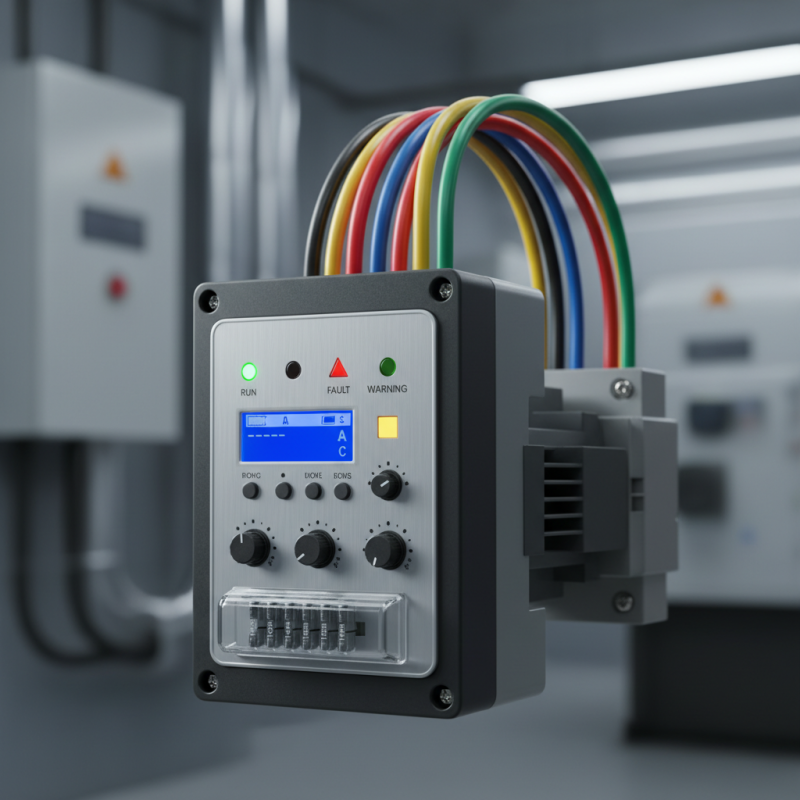
10 Essential Tips for Choosing a Motor Protection Controller?

Understanding Motor Protection Controllers and Their Importance

Motor protection controllers play a critical role in safeguarding electrical motors from various operational hazards. These controllers prevent damage caused by overload, short circuits, and phase failure. According to a report by the National Electrical Manufacturers Association (NEMA), motor failures can lead to significant downtime, costing industries thousands of dollars annually. Selecting the right controller is, therefore, essential for ensuring operational efficiency.

Understanding motor protection controllers requires knowledge of their functions and importance. For example, these devices often include thermal overload protection, which monitors motor temperature. In fact, overheating accounts for nearly 30% of motor failures. Additionally, advanced controllers feature fault diagnostics that help identify issues before they escalate. However, many companies underestimate the complexity of these devices, which can lead to unsuitable selections.

Moreover, it is essential to recognize that not all controllers are created equal. Different applications require tailored solutions. Choosing a controller that does not fit specific operational conditions can result in equipment damages. A study revealed that improper motor protection leads to an increase in maintenance costs by approximately 25%. This highlights the need for proper evaluation before making a choice.

Motor Protection Controller Features Comparison

Key Factors to Consider When Selecting a Motor Protection Controller

10 Essential Tips for Choosing a Motor Protection Controller?

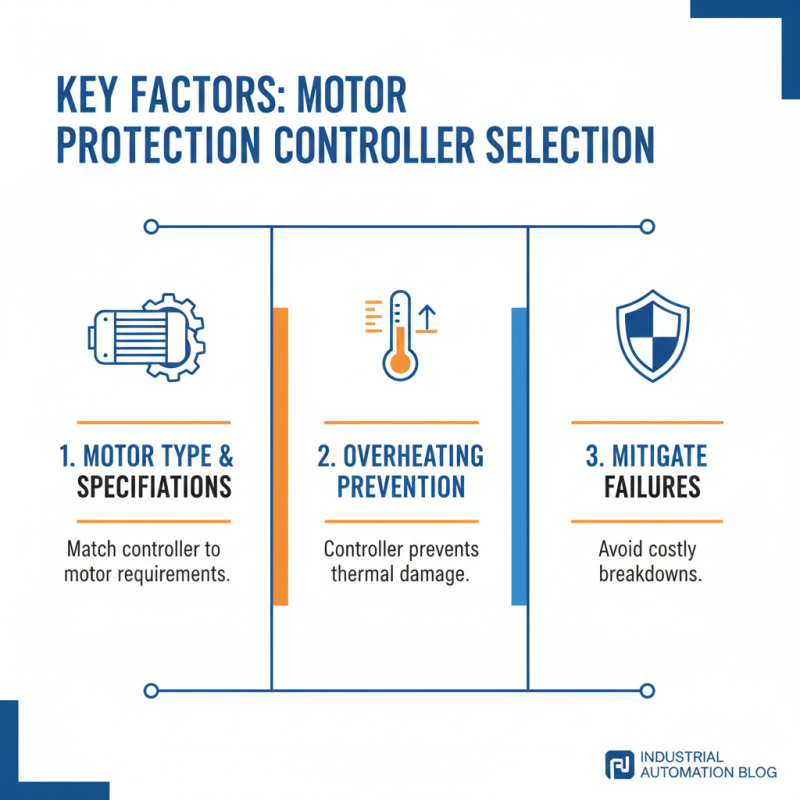
Selecting a motor protection controller requires careful consideration. One key factor is the type of motor being used. Different motors need different protections. Ensure the controller matches the motor's specifications. A mismatch can lead to failures. Overheating is a common issue in motors. Effective controllers help prevent this.

Another aspect to think about is the environment. Controllers must withstand the conditions they face. Dust, moisture, or temperature extremes can affect performance. Choosing a robust design may save costs in the long run. Some controllers offer advanced features like overload protection or short-circuit prevention. However, not all features are necessary for every application.

Finally, consider ease of use. A complicated interface can lead to mistakes. User-friendly settings can enhance efficiency. Evaluate installation and maintenance as well. Sometimes, users overlook these details. A controller that requires constant adjustments can be frustrating. Reflecting on these factors ensures a better choice in the long term.

Evaluating Current and Voltage Ratings for Compatibility

10 Essential Tips for Choosing a Motor Protection Controller?

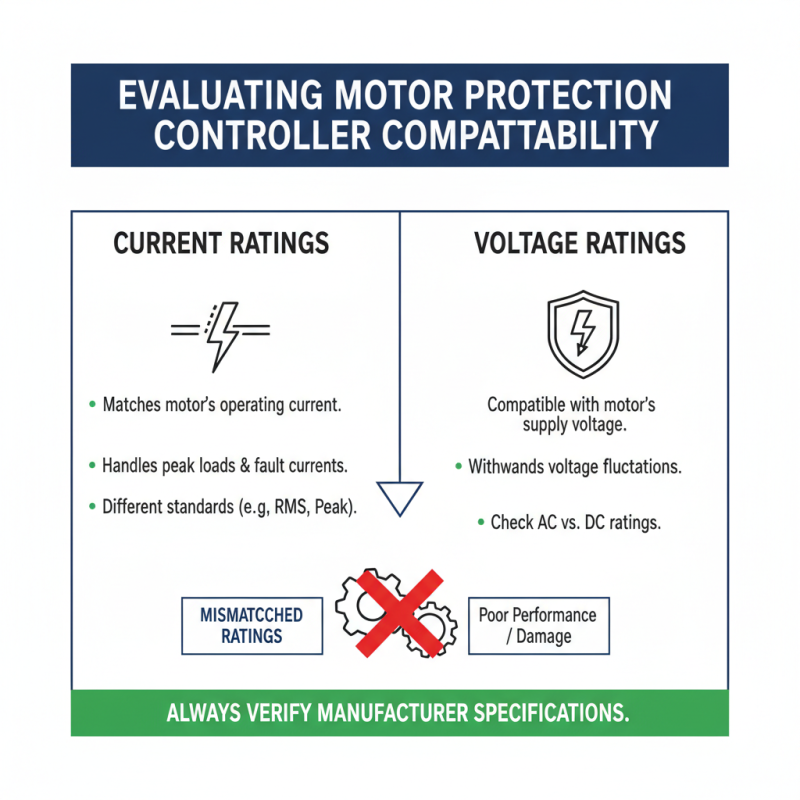
When selecting a motor protection controller, understanding current and voltage ratings is essential. These ratings determine how well the controller can handle the electrical demands of your motor. If the ratings are mismatched, it can lead to poor performance or damage. Be cautious when examining these specs; manufacturers often present them in different formats or standards.

Many users overlook the importance of compatibility. A controller rated for a certain current may not perform well under all conditions. For example, if you run a motor over its rated load frequently, the controller could fail sooner than expected. It's crucial to think about peak loads and continuous service ratings. Also, voltage spikes can affect the controller's functionality. Evaluate these details carefully before making a decision.

Checking documentation thoroughly can reveal inconsistencies. Sometimes, technical jargon makes it challenging to understand. Take the time to ask questions if something isn’t clear. Communication with suppliers is vital. A motor that requires 400 volts should not be paired with a controller rated lower. Ignoring these details can lead to costly mistakes. Reflect on these aspects to ensure a reliable operation.

Assessing Environmental Conditions and Protection Ratings

When selecting a motor protection controller, understanding environmental conditions is crucial. You need to evaluate the climate in which the controller will operate. Factors like temperature, humidity, dust, and exposure to chemicals can affect performance. A controller for a factory environment will differ from one in a coastal area. The salt and moisture in coastal climates can cause issues. Reflect on these factors before making a choice.


Additionally, consider protection ratings. These ratings indicate the controller's ability to withstand various elements. For example, an IP rating indicates the level of protection against dust and water. A higher rating ensures better durability in harsh environments. However, many overlook this aspect, leading to premature failures. Regular maintenance is also essential for controllers operating in challenging conditions. Keeping an eye on wear and tear can be a tiring task, but it’s necessary for longevity.

Cost vs. Features: Finding the Right Balance in Your Choice

Choosing the right motor protection controller can be a daunting task. Many factors come into play, especially balancing cost and features. A budget-friendly option may lack essential specifications for your application. Diligently assessing your needs is crucial before settling on a choice.

Consider the specific protections required for your motors. Overload protection, under-voltage, and phase failure detection are common features. However, some controllers provide advanced functionalities that may not be necessary for simpler applications. It may be tempting to invest in a feature-rich model, but it could lead to over-spending. Reflect on the actual benefits each feature offers to your setup.

Finding the sweet spot between cost and functionality requires careful thought. Balance is key. A high price tag doesn’t always equate to superior reliability. Are you really utilizing all of the features? Remember, sometimes sticking to the basics can yield better results, especially if your operational needs aren't complex. Take the time to analyze your options. This might save you from unnecessary expenses and complications down the road.

10 Essential Tips for Choosing a Motor Protection Controller

Tip Description Cost Consideration Feature Highlights
1. Understand Application Requirements Evaluate the specific needs of your motor application. Low cost if basic features suffice. Ensures compatibility with motor specifications.
2. Check Protection Features Look for overload, short circuit, and phase loss protection. Investment in features can save on repairs. Enhances motor longevity and reduces downtime.
3. Evaluate Control Options Consider manual, automatic, or remote control options. Higher functionality can increase costs. Provides flexibility in operation.
4. Assess User Interface User-friendly interfaces improve accessibility and ease of use. May result in higher initial costs. Improves user experience and efficiency.
5. Consider Environmental Factors Temperature, humidity, and dust can affect performance. Invest in rugged models if needed. Ensures reliability in harsh conditions.
6. Look for Compliance Standards Ensure the controller meets relevant standards. Can be costlier but essential for safety. Facilitates regulatory compliance and safety.
7. Evaluate Adjustment Options Choose models that allow parameter adjustments. Basic models may lack this flexibility. Provides customization for better performance.
8. Review Diagnostic Features Capabilities like fault analysis can aid troubleshooting. May increase the investment but saves time. Improves maintenance and operational uptime.
9. Research Manufacturer Reputation Choose manufacturers known for quality and reliability. Reputable brands may come at a premium. Ensures value and performance over time.
10. Factor in Future Scalability Consider whether the controller can handle future upgrades. Higher upfront cost might pay off with scalability. Future-proofing can reduce long-term expenses.