Leave Your Message

How to Choose an SPD Lightning Arrester?

A sudden voltage surge can damage a control board before anyone notices the lights flicker. Choosing a Spd Lightning Arrester is therefore more than matching a product to a voltage rating. The right device depends on where it will be installed, the electrical system it must protect, and the likely surge exposure. A unit selected without those details may offer less protection than expected.

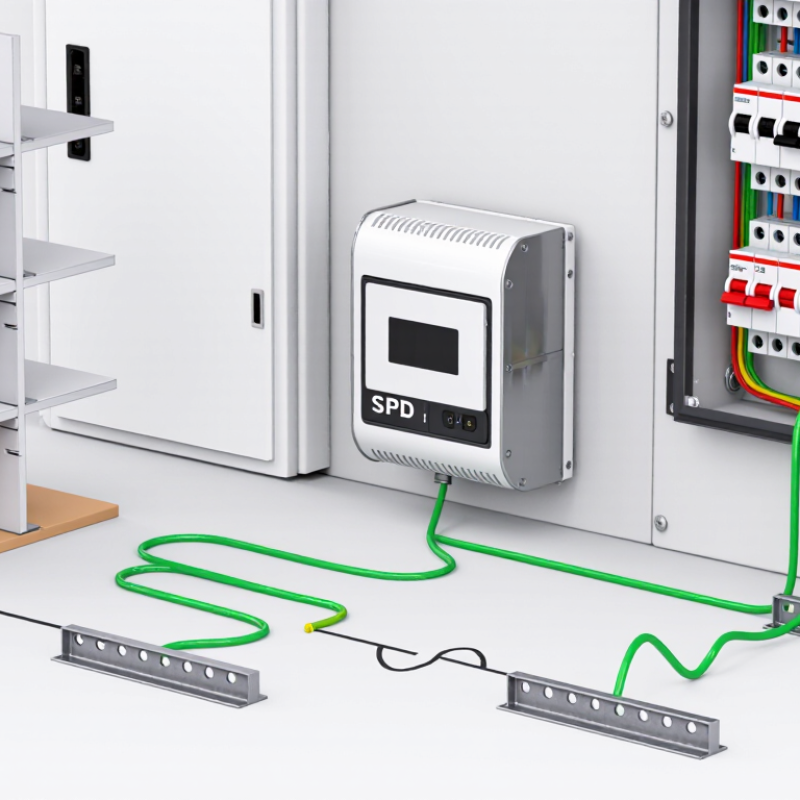
This guide explains the practical checks to make before comparing models. Look at the system’s nominal voltage, maximum continuous operating voltage, discharge capacity, protection level, and required SPD type. Check the manufacturer’s wiring diagram, terminal arrangement, and backup protection recommendations. A short, direct connection to the grounding system matters; long leads can reduce protection performance. For example, a compact device beside a distribution panel may suit one installation, while another needs coordinated protection at several points. Details matter.

Not every rating is directly comparable. That is easy to miss. Product data sheets may use different test conditions, so verify what each figure means rather than relying on a large number alone. Installation conditions, maintenance access, and status indicators also affect whether protection remains dependable over time. This introduction is a starting point, not a substitute for a qualified assessment of the site. Some choices remain uncertain until the wiring and exposure are examined in person. The following sections will help you ask better questions and narrow the options with care.
How to Choose an SPD Lightning Arrester?

Understand the Role of an SPD Lightning Arrester

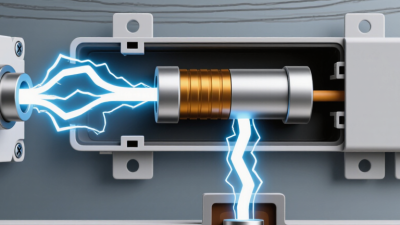
An SPD lightning arrester helps protect electrical equipment from brief voltage surges. These surges can come from nearby lightning, switching loads, or faults in the power network. The device detects excessive voltage and diverts surge current toward the grounding system, limiting the stress on connected circuits. It is not a shield. Some voltage may still reach equipment, so an SPD reduces risk rather than guaranteeing protection.

Its role depends on the whole installation. A unit at the main distribution board can limit incoming surges, while additional protection near sensitive devices may help manage remaining voltage. For example, a workshop with long cable runs and a control panel may need coordinated protection at more than one point. Check the system voltage, expected surge exposure, discharge capacity, and the device’s voltage protection level. Grounding quality matters, too; a long or poorly connected lead can weaken performance. No device makes a building invulnerable, and that is easy to overlook when choosing by rating alone. Have a qualified electrical professional assess the installation and confirm that the selected SPD suits the site and its wiring.
Identify the Electrical System and Installation Point

An SPD lightning arrester should match the electrical system it will protect. Check whether the supply is AC or DC, then confirm its nominal voltage, phase arrangement, and number of wires. A three-phase, four-wire panel is not the same as a single-phase supply. Also identify the earthing arrangement and available fault current. These details affect the required ratings and connection method.

Match the SPD’s maximum continuous operating voltage to the system, and review its voltage protection level and short-circuit rating. For photovoltaic circuits, check the DC voltage range and polarity requirements. A common mistake is choosing by voltage alone. Details matter. A qualified electrician can verify panel markings and measure conditions when documentation is missing.

The installation point changes what the SPD needs to handle. A unit at the service entrance helps protect the building from incoming surges; additional protection near sensitive equipment can reduce the voltage reaching long cable runs. Keep connecting leads short and follow the device’s wiring instructions. Coordination between devices matters, too. A tidy panel can still conceal a poor connection, so inspect the actual grounding path rather than relying on appearance. I would pause here: site conditions are not always as clear as a diagram suggests.

Assess Lightning Exposure and Surge Risks

Assess the site before choosing an SPD lightning arrester. A building on an exposed ridge faces different risks from one sheltered by nearby structures. Check local lightning activity, building height, and whether power or data lines enter overhead. Long exterior runs can pick up induced surges, even when a strike lands nearby.

Look beyond lightning. Motors, pumps, and other equipment switching on and off can create smaller, repeated voltage surges. Note which devices are most sensitive, such as control panels, network equipment, or medical instruments. Check the service entrance and grounding connections, too. Poor bonding can reduce an SPD’s effectiveness. Small details matter.

Risk estimates are never perfect. A storm map cannot tell you exactly where the next strike will land, and past outages are only part of the picture. Record the supply type, phase, and voltage, then ask a qualified electrician to assess the installation and coordinate protection at the service entrance and, where needed, near sensitive equipment. An SPD does not prevent every outage or guarantee protection from a direct strike. Choose a device suited to the measured system and site conditions, not just the most dramatic surge rating.

Compare Voltage, Current, and Protection Ratings

How to Choose an SPD Lightning Arrester?
Compare Voltage, Current, and Protection Ratings

Start with the electrical system’s nominal voltage and grounding arrangement. The SPD’s maximum continuous operating voltage, or Uc, must suit the highest voltage it may experience normally. Check the product data sheet; grounding details can change the correct rating. Then compare its voltage protection level, Up, with the connected equipment’s impulse withstand rating. Lower is generally preferable, but long connecting leads can raise the voltage reaching equipment. Small details matter.

Tips: Measure the cable route before choosing a location. Keep SPD leads short and direct. Ask a qualified electrician to verify the system configuration and ratings.

Next, compare surge-current ratings. In describes a standardized discharge-current capability, while Imax or Iimp may apply to different test conditions or SPD types. A larger number alone does not guarantee better protection for every installation. Consider likely exposure, service conditions, and the manufacturer’s specified backup protection. Also check whether the SPD protects the required modes, such as line-to-neutral or line-to-ground. I have seen ratings look reassuring on paper, yet poor lead placement undermine performance. Review the full installation instructions, not just the largest number on the label.

How to Choose an SPD Lightning Arrester? - Compare Voltage, Current, and Protection Ratings

Comparison Point Type 1 SPD Type 2 SPD Type 3 SPD
Typical installation At the service entrance or main distribution board, where the installation may be exposed to partial lightning current. At a distribution board to limit switching and induced lightning surges. Near sensitive equipment, coordinated with upstream SPDs.
Typical test basis Type 1 test: 10/350 μs impulse current. Type 2 test: 8/20 μs impulse current. Type 3 test: combination-wave test; check the declared Uoc and In ratings.
Representative current rating per pole Iimp: 12.5 kA (10/350 μs). In: 20 kA and Imax: 40 kA (8/20 μs). Example declared values: Uoc 6 kV and In 3 kA; verify the device datasheet and test configuration.
Example voltage selection For a 230/400 V AC system, a common example is Uc 275 V for an L–N protective mode; confirm the earthing arrangement and connection scheme. For a 230/400 V AC system, Uc 275 V is a common L–N example; select the correct Uc for each protective mode. Choose Uc to suit the voltage at the point of installation and the equipment circuit; do not assume the upstream SPD’s Uc is suitable.
Voltage protection level (Up) Compare the declared Up with the impulse withstand voltage of the equipment; lower Up generally gives a tighter voltage limit. Choose an Up compatible with the protected equipment and installation; allow for additional voltage from connecting leads. Use a suitably low Up for sensitive loads and coordinate with upstream SPDs to avoid excessive stress or unwanted operation.
Other checks before selection Check lightning protection requirements, earthing system, short-circuit current rating, and required backup protection. Check In, Imax, Uc, Up, short-circuit current rating, and the manufacturer’s specified backup protection. Check coordination distance or use a specified coordinating element, along with Uc, Up, and the equipment’s surge withstand.
Selection reminder Ratings shown are representative examples, not universal requirements. Select and install an SPD according to the applicable standards (such as IEC 61643-11), local regulations, system voltage, earthing arrangement, and the device manufacturer’s instructions.

Check Installation Requirements and Maintenance Needs

Choose an SPD lightning arrester that matches the installation, not just the equipment list. Confirm the system voltage, earthing arrangement, maximum continuous operating voltage, discharge rating, and voltage protection level. IEC 61643-11 provides requirements for low-voltage surge protective devices; installation also needs to follow the applicable electrical code. NASA’s 1995–2002 satellite lightning climatology estimated about 44 lightning flashes per second worldwide. Local exposure varies, so consider the site’s lightning risk and incoming power or communication lines. Short leads matter. A cramped panel or poor earth connection can undermine a suitable device.

Plan maintenance before installation. Check that the SPD has the correct upstream overcurrent protection and enough clearance for inspection or replacement. Record its status indicator at commissioning, then inspect it during routine electrical maintenance and after a major surge. Replace it if its indicator shows failure, or if inspection finds heat damage, discoloration, or loose connections. Follow the device’s instructions and have a qualified electrician assess uncertain conditions. An indicator is useful, but it cannot reveal every hidden wiring problem.

Tips: Photograph the SPD label and panel connections for future checks. Check the indicator. Keep a simple inspection log with dates, visible condition, and any replacement. Don’t assume a green status light confirms correct grounding.