Why Are Spd Surge Protective Devices Crucial for Electrical Safety?
Electrical safety should be a priority for everyone. One key aspect of this safety is the use of Spd Surge Protective Devices. These devices protect electrical systems from voltage spikes that can cause significant damage. Power surges can happen unexpectedly for various reasons, like lightning strikes or equipment malfunctions.
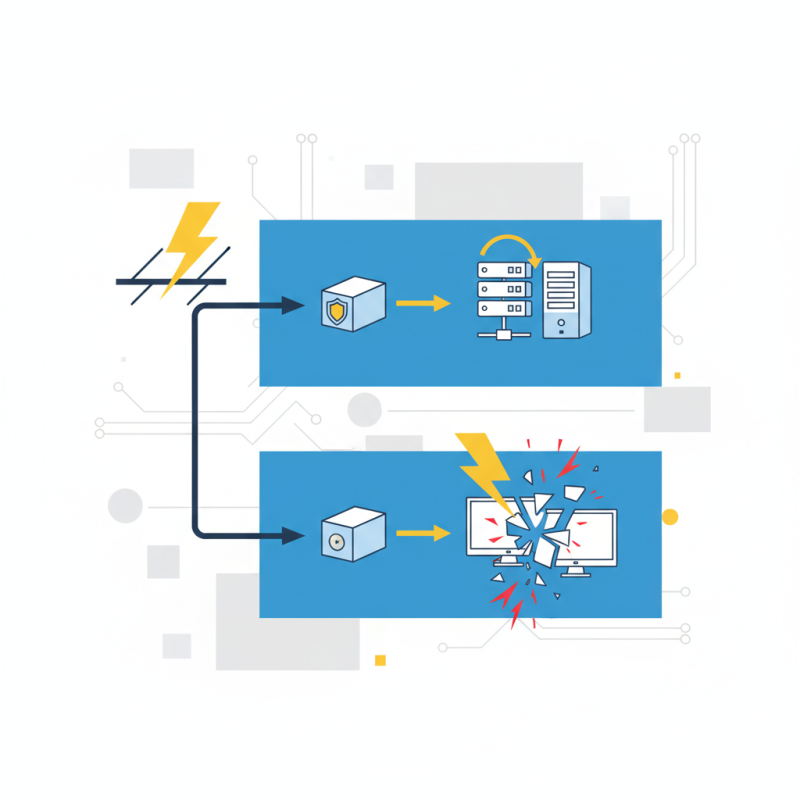
Imagine a costly breakdown of vital equipment due to a surge. Without Spd Surge Protective Devices, such incidents can be all too common. These devices act as the first line of defense. They redirect excess voltage away from sensitive electronics, preventing catastrophic failures. However, the importance of these devices is often overlooked.
Many people believe they are safe without them. Yet, this mindset can lead to costly repairs and downtime. Installing Spd Surge Protective Devices is an easy step towards better safety. Reflecting on their necessity can prompt you to take action. Remember, in today's fast-paced world, protection is not just an option; it's essential for peace of mind.
Importance of Surge Protective Devices in Electrical Systems
Surge Protective Devices (SPDs) play a vital role in electrical systems. They protect equipment from voltage spikes. These spikes can originate from lightning strikes or power surges. A sudden surge can cause severe damage, leading to costly repairs and replacements. SPDs act as a shield, clamping excess voltage and allowing normal currents to pass. This protection is especially crucial for sensitive electronic devices.
In many cases, businesses overlook the importance of SPDs. They may believe that standard wiring is enough. However, this assumption can be dangerous. Without proper protection, valuable equipment becomes vulnerable. Think about servers and industrial machinery that rely on stable power. A single surge can disrupt operations, resulting in financial losses.
Additionally, installation of SPDs seems straightforward. But improper placement can diminish their effectiveness. Many users might skip this part, believing it unnecessary. This can compromise safety. Understanding how SPDs work is essential. They need regular maintenance and checks to function optimally. Properly integrated into an electrical system, they enhance safety significantly.
How SPD Works to Protect Electrical Equipment
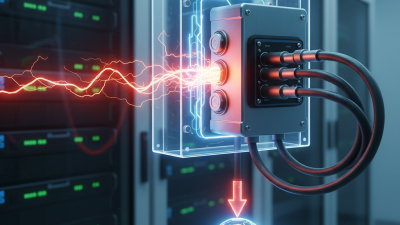
Surge Protective Devices (SPDs) play a vital role in safeguarding electrical equipment. They are designed to clamp excessive voltage spikes. These spikes may come from lightning strikes, power surges, or even faulty wiring. When a surge occurs, SPDs directly divert this excess voltage, protecting sensitive components.
When SPDs detect a surge, they react quickly. Within microseconds, they redirect the extra voltage to the ground. This action prevents damage to devices like computers and industrial machinery. Without protection, these devices can fail or suffer significant harm. Imagine losing critical data or halting production due to a single surge.
However, not all installations are perfect. Some SPDs may not cover every scenario. If they are not correctly rated, they might fail during a severe surge. Additionally, routine maintenance is often overlooked. Regular checks ensure that SPDs function as intended. This oversight can lead to vulnerabilities, allowing surges to breach protection and cause damage.
Common Causes of Electrical Surges and Their Impact
Electrical surges can happen without warning. Common causes include lightning strikes, faulty wiring, and large appliances cycling on and off. Each surge can damage electronics, creating risks for households and businesses. Even minor surges can weaken devices over time. This buildup may lead to costly repairs or replacements.
Lightning strikes are dramatic events. Not all surges are so obvious. A refrigerator turning on can cause a brief spike in power. Many people overlook these small incidents. They can be just as harmful as a lightning strike. Electronics can get fried without visible damage. The cumulative effect of these surges is often ignored.
Inadequate protection can be a significant risk. Many homes lack effective surge protective devices. Not installing them can lead to unexpected failures. People often wait until it’s too late to think about surge protection. The true cost of ignoring this can be much higher than the investment in safety devices.
Common Causes of Electrical Surges and Their Impact
Electrical surges can cause significant damage to electronic devices and systems. The chart below illustrates the common causes of electrical surges and their relative frequency.
Benefits of Installing SPDs in Residential and Commercial Settings
Surge Protective Devices (SPDs) play a vital role in ensuring electrical safety in both residential and commercial environments.
According to a report by the National Fire Protection Association, electrical surges account for over 30% of all electrical fires.
These devices act as a barrier, protecting electronic equipment from voltage spikes that can occur due to lightning strikes or power outages.
Installing SPDs can significantly reduce the risk of fire and equipment damage.
In residential settings, a surge event can lead to costly repairs. The average repair cost for home electronics after a surge is estimated to be between
$2,000 and $6,000. In commercial environments, downtime caused by equipment damage can further impact finances.
A study from the IEEE indicates that businesses can lose over $1 million for each hour of downtime caused by power surges.
SPDs mitigate these risks effectively.
Tip: Consider conducting a surge assessment in your home or office. Identify vulnerable equipment and strategically place
SPDs. Regularly check the status of your devices to ensure they are functioning properly.
This precautionary step can save you from significant losses. Additionally, educating staff about the importance of these devices can foster a safer working environment.

 +86 13868429846
 Contact Phone
 Contact Email