What is an Intelligent Switch and How Does It Work?
In the evolving landscape of network technology, the concept of the "Intelligent Switch" has gained significant traction. Recent data from industry reports, such as those from Gartner, indicates that the global market for intelligent networking solutions is projected to grow by 17% annually. This growth underscores the essential role intelligent switches play in optimizing network performance and management.
An Intelligent Switch enhances traditional switching capabilities with advanced features like traffic monitoring and data analytics. These features enable organizations to make informed decisions based on real-time data. According to a study by IDC, businesses implementing intelligent switching see a 30% improvement in network efficiency. Such advancements transform the way networks operate, making them not only faster but also more responsive to user needs.
However, adopting these technologies is not without challenges. Organizations must consider integration complexities and training requirements for staff. The need for continuous updates and the potential for vendor lock-in raise critical questions. As companies navigate these challenges, understanding the role of Intelligent Switches becomes paramount for those aiming for a competitive edge in their network infrastructure.

What is an Intelligent Switch?
An intelligent switch is a network device that enhances data transmission efficiency. It operates by inspecting incoming data packets and directing them to their intended destinations. This process is known as packet switching. Unlike traditional switches, intelligent switches can analyze traffic in real time. They can prioritize important data, ensuring smooth and fast communication.
These switches utilize advanced algorithms to manage network traffic. They can adapt to changing conditions, making them suitable for dynamic environments. An intelligent switch can distinguish between various types of data. For instance, it treats streaming video differently from standard file transfers. This capability ensures that high-priority applications run without interruption.
However, not all features of intelligent switches are flawless. Some configurations may lead to unintended bottlenecks. Overly complex setups can introduce latency instead of reducing it. Network administrators need to be mindful of these potential pitfalls. Continuous monitoring and adjustments may be necessary for optimal performance. An intelligent switch brings benefits, but careful management is essential for success.
Key Features of Intelligent Switches
Intelligent switches are pivotal in modern networking. They manage data traffic efficiently, ensuring seamless communication. Key features distinguish them from traditional switches. First, most intelligent switches support VLANs, enabling network segmentation. This enhances security and performance without complex configurations.
Another important feature is Quality of Service (QoS). Intelligent switches prioritize data packets, ensuring critical applications receive necessary bandwidth. This is especially vital for video conferencing and real-time communication. Network administrators often find themselves needing to balance traffic effectively. The ability to analyze traffic patterns can lead to improved efficiency.
Incorporating advanced security protocols is crucial for protecting data. Intelligent switches can detect and respond to anomalies. However, not all switch features may be fully utilized in every environment. Understanding user needs is essential for optimal performance. Fine-tuning settings can take time and may not yield immediate results. Each network's demands are unique and require tailored solutions.
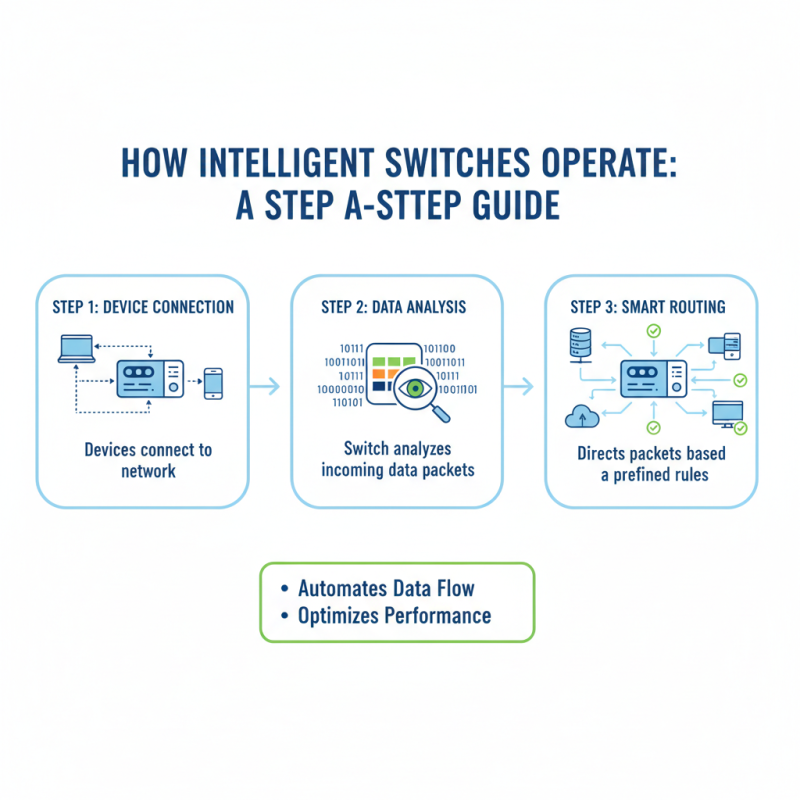
How Intelligent Switches Operate: A Step-by-Step Guide
Intelligent switches play a crucial role in modern networking. They automate data flow and improve efficiency. When devices connect to a network, the switch analyzes incoming data packets. It decides where to send each packet based on predefined rules. This reduces latency and optimizes performance.
The operation of intelligent switches involves several key steps. First, a switch learns the hardware addresses of connected devices. It builds a mapping of these addresses, called a MAC address table. Then, it uses this table to forward data only to the intended recipient. This minimizes unnecessary traffic, allowing for better use of bandwidth. Another aspect is the ability to prioritize certain types of traffic. VoIP or streaming data can be prioritized to ensure clear communication.
It's essential to monitor the switch's performance. An intelligent switch can become overwhelmed if misconfigured. Regular checks can help ensure it operates efficiently. Identifying bottlenecks and re-evaluating rules can improve overall network health. Understanding these nuances can make managing networks more effective.
Applications of Intelligent Switches in Networking
Intelligent switches have become essential tools in networking, providing advanced capabilities that enhance data transmission and management. One of their key applications is in smart buildings. According to a report by MarketsandMarkets, the smart building market is projected to reach $650 billion by 2026, indicating a rise in the need for intelligent network solutions. Intelligent switches facilitate the integration of various devices, like security systems and HVAC controls, ensuring seamless communication between them.
In enterprise settings, intelligent switches support network automation. They can dynamically adjust traffic flow based on real-time data. The International Data Corporation (IDC) estimates that by 2025, global data creation will reach 163 zettabytes. This surge necessitates networks that can quickly adapt. Intelligence in switches helps prioritize critical data, enhancing overall network efficiency.
However, deploying these switches requires careful planning. Organizations must assess their infrastructure and potential bottlenecks. Misconfigurations can lead to security vulnerabilities or inefficient operations. Thus, ongoing training and awareness are crucial for maximizing their benefits. Embracing intelligent switches is not without challenges, yet the rewards can significantly improve network reliability and performance.
Advantages of Using Intelligent Switches in Modern Networks
Intelligent switches have revolutionized network management in modern environments. They offer numerous advantages that enhance efficiency and reliability. One key benefit is their ability to prioritize network traffic. This ensures that critical applications receive the bandwidth they need while less crucial data takes a backseat.
Additionally, intelligent switches can monitor network performance in real-time. This capability allows for quicker identification of issues, leading to faster troubleshooting. By analyzing data packets, these switches can adjust bandwidth dynamically. As a result, networks experience fewer slowdowns and interruptions.
Tip: Regularly update the firmware of your switches to ensure optimal performance. Keeping your devices updated can prevent vulnerabilities and improve efficiency.
However, despite their capabilities, intelligent switches can have a steep learning curve. Network administrators must invest time in understanding their advanced features. Training and proper documentation become essential to fully leverage these devices.
Tip: Consider implementing training sessions for your IT team. This step can address knowledge gaps and build confidence in managing intelligent switches effectively. By doing so, your team will navigate more complex networks with ease.

 +86 13868429846
 Contact Phone
 Contact Email