What is Mcb Circuit Breaker Digital and How Does It Work?
The rise of digital technology in electrical systems has transformed circuit protection solutions. One innovation is the "Mcb Circuit Breaker Digital." This equipment plays a vital role in modern electrical installations. According to recent industry reports, the global market for circuit breakers is projected to reach $15.4 billion by 2026, driven by advanced safety features and automation.
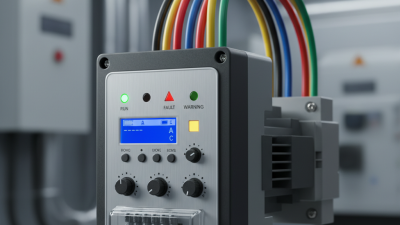
Mcb Circuit Breaker Digital stands out in providing reliable signaling and monitoring capabilities. These devices ensure timely shutdowns during overloads or faults, minimizing risks. The digital display offers real-time data, enhancing user experience. However, many users still overlook the importance of regular updates and maintenance to fully utilize these features.
Incorporating smart technology has its flaws. Not all installations are compatible with digital breakers. Electrical systems need to evolve, keeping pace with advancements. As the demand for energy-efficient solutions grows, the need for comprehensive education on digital circuit breakers becomes crucial. Ignoring this knowledge can lead to safety hazards.
What Is a Digital Miniature Circuit Breaker (Mcb) and Its Significance?
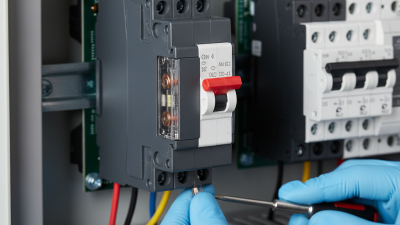
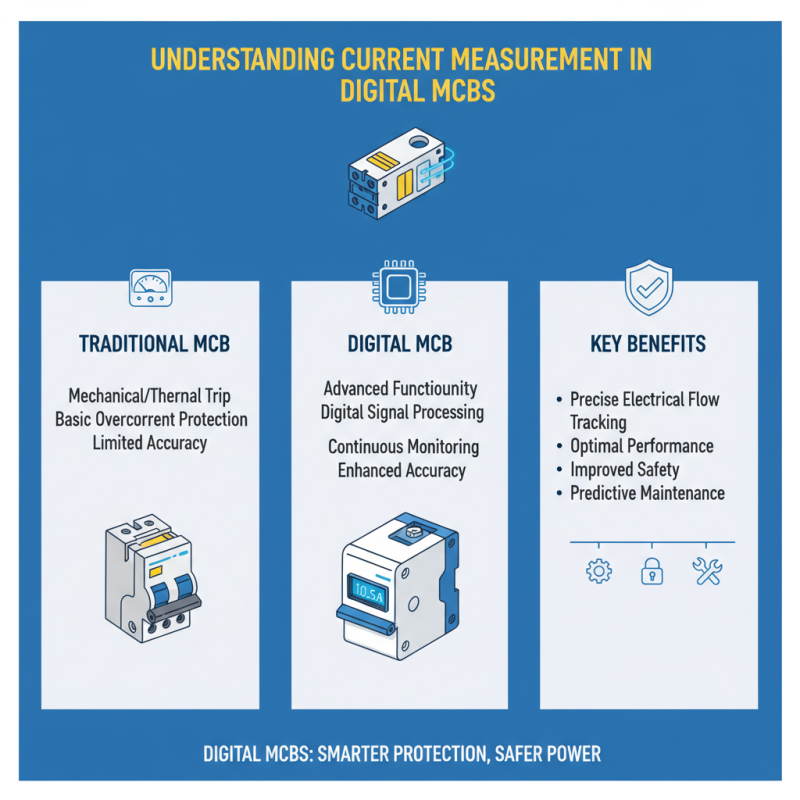
A digital miniature circuit breaker (Mcb) is an advanced device designed to protect electrical circuits. Unlike traditional Mcbs, digital versions offer enhanced features. They provide precise monitoring of electrical load and can detect faults faster. This means quicker responses to dangerous conditions.
The significance of digital Mcbs lies in their ability to improve safety. They help prevent electrical fires caused by overloads and short circuits. Moreover, their ability to track electricity usage allows for more efficient energy management. This is particularly important in homes and businesses aiming for sustainability.
**Tips:** When choosing a digital Mcb, consider your specific needs. Check if it meets local safety standards. Don't forget to consult an electrician for proper installation. Regular checks can ensure everything runs smoothly. Remember, not all devices are equal; some may lack essential features. Reflect on your setup and make informed choices.
Key Components of a Digital Mcb Circuit Breaker Explained
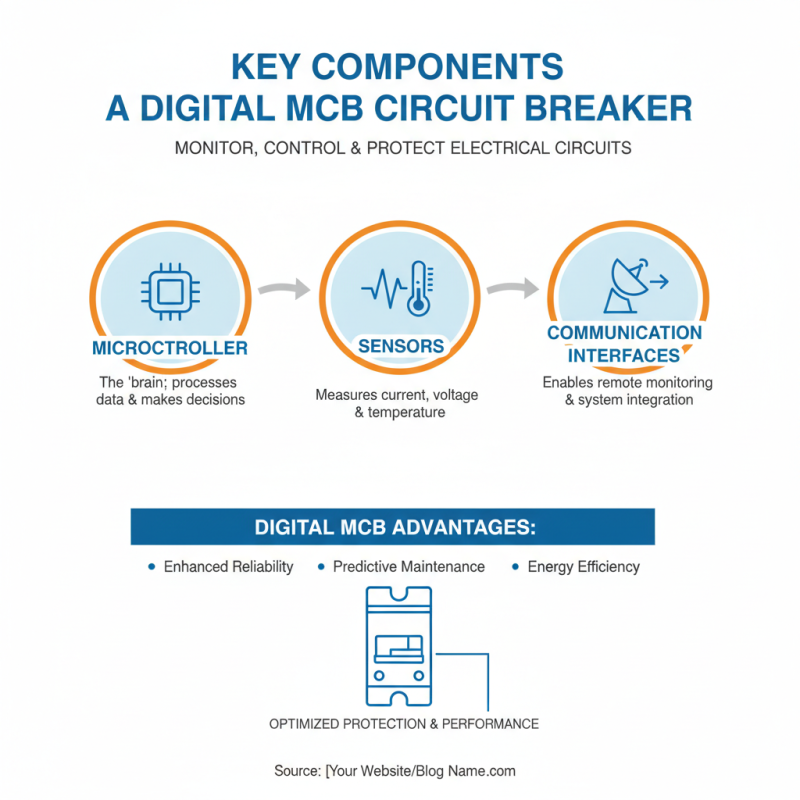
Digital MCB circuit breakers are gaining traction in electrical systems. Their design incorporates advanced technology to monitor, control, and protect electrical circuits more effectively. Key components include microcontrollers, sensors, and communication interfaces. Each plays a vital role in optimizing performance.
Microcontrollers act as the brain of the digital MCB. They analyze electrical parameters in real-time. This enables prompt reaction to abnormal conditions, like overloads or short circuits. Sensors monitor current and voltage levels. They provide accurate data, allowing for better decision-making. Communication interfaces facilitate easy integration with smart grid technologies.
Tip: Regularly update your digital MCB software for optimal performance. Keeping firmware current ensures enhanced protection and efficiency.
Another aspect worth mentioning is the responsiveness of these breakers. Studies suggest they can reduce fault response time significantly. Traditional MCBs may take longer to react. Digital units offer real-time diagnostics and alerts. This immediate feedback can prevent extensive damage in critical situations.
Tip: Conduct periodic tests on your circuit breakers. Frequent checks can reveal underlying issues before they escalate.
The advancement in digital MCB technology is impressive. However, one must remain cautious. While they are more effective, they can be complex. Training and understanding of these technologies are essential for effective use. Awareness of these components is crucial for safety and reliability.
How Digital Mcbs Enhance Electrical Safety and Reliability
Digital miniature circuit breakers (MCBs) are becoming essential for modern electrical systems. Unlike traditional MCBs, digital MCBs offer enhanced features that increase safety and reliability. These devices monitor current levels and detect faults with greater precision. This capability significantly reduces the risk of electrical fires or equipment damage.
Digital MCBs utilize advanced algorithms to identify abnormal conditions. When an issue occurs, they quickly cut off power, protecting both people and equipment. This fast response is crucial in preventing accidents. Additionally, many digital MCBs can be remotely monitored. This allows for real-time data analysis and alerts, contributing to better management of electrical systems.
Tips: Regularly inspect your MCBs for any signs of wear or damage. Keeping connections clean enhances performance. Consider having a professional check your system once a year to ensure everything runs smoothly. Upgrading to digital MCBs can be a worthwhile investment for safety and efficiency. They may be slightly more expensive, yet the benefits often outweigh the costs.
Understanding Digital MCB Circuit Breakers
The bar chart above illustrates key specifications of digital MCB circuit breakers, such as response time, current protection, voltage rating, and the number of poles. These elements are essential for enhancing electrical safety and reliability in modern electrical systems.
Comparative Advantages of Digital Mcbs Over Traditional Analog Types
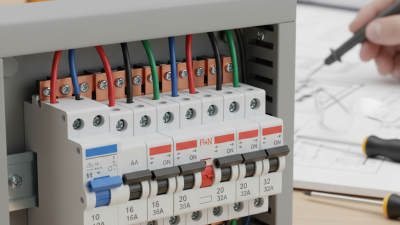
Digital miniature circuit breakers (Mcbs) offer several advantages over traditional analog types. One significant advantage is precision. Digital Mcbs utilize sensors and microcontrollers for monitoring current flow. This results in more accurate readings and quicker response times during overload situations. They can detect faults that analog types might miss. This enhances safety and reliability in electrical systems.
Another key benefit is programmability. Digital Mcbs can be configured to specific parameters. Users can set the trip settings according to their requirements. This customization is crucial for different applications. Unlike analog Mcbs, which have fixed settings, digital variants allow flexible operation. This can improve efficiency in power distribution.
Despite these advantages, digital Mcbs come with challenges. Their complexity can sometimes lead to installation issues. Maintenance may require specialized knowledge. Moreover, the higher cost might be a concern for some users. While the benefits are clear, one must assess their specific needs before making a choice. Finding a balance between cost and functionality is essential.
What is Mcb Circuit Breaker Digital and How Does It Work? - Comparative Advantages of Digital Mcbs Over Traditional Analog Types
| Feature |
Digital MCBs |
Traditional MCBs |
| Precision |
High precision with digital monitoring |
Standard precision with mechanical components |
| Response Time |
Faster response time due to digital technology |
Slower response due to mechanical operation |
| Data Logging |
Yes, real-time data logging and analysis |
No, limited to manual checks |
| Customization |
Easily configurable settings and parameters |
Fixed settings with limited customization |
| Connectivity |
Can be integrated into smart home systems |
No connectivity features |
| Durability |
More durable with fewer wear components |
Mechanical parts may wear out over time |

 +86 13868429846
 Contact Phone
 Contact Email