Why Do You Need an Overload Voltage Protector for Your Equipment?
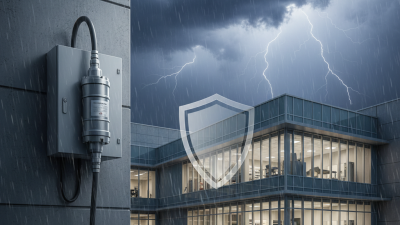
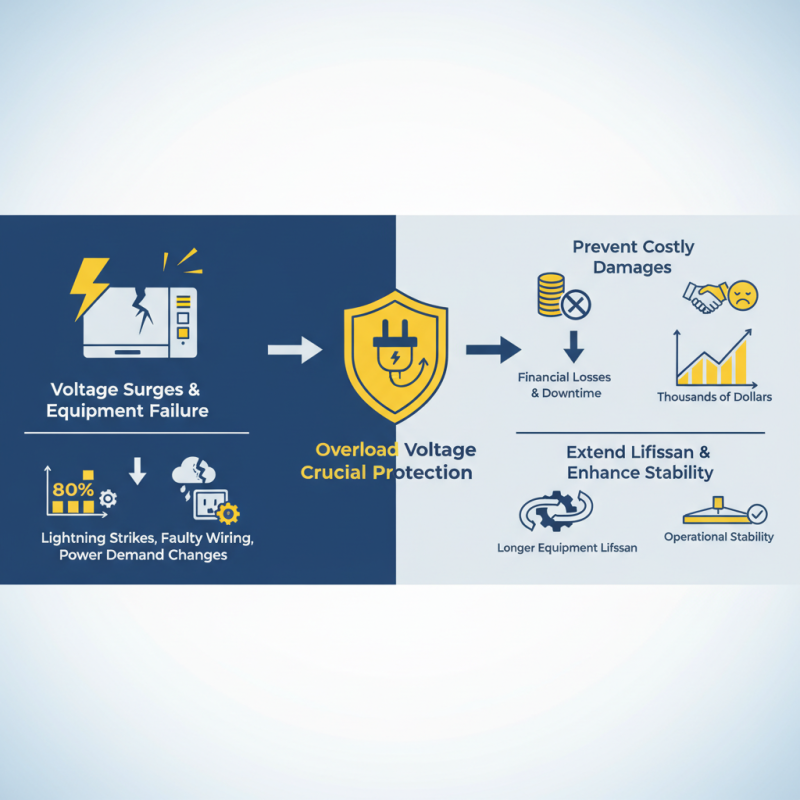
Electrical equipment faces various risks, and voltage surges are among the most significant threats. A report by the Electric Power Research Institute (EPRI) highlights that over 80% of electrical equipment failures are attributed to voltage irregularities. These surges can occur due to lightning strikes, faulty wiring, or even abrupt changes in power demand. Hence, protecting your equipment with an Overload Voltage Protector is crucial.
The use of an Overload Voltage Protector can prevent costly damages. According to industry experts, the average cost of equipment failure and downtime can reach thousands of dollars. Without adequate protection, businesses not only face financial losses but also potential reputational harm. Organizations need reliable solutions to safeguard their investments in electrical systems.
Many users underestimate the importance of these protectors. Some believe their equipment is resilient enough to withstand surges. However, in reality, surges can cause irreversible damage that compromises the functionality of machines. Investing in an Overload Voltage Protector is a proactive measure that can extend the lifespan of your equipment and enhance operational stability.
Understanding Overload Voltage and Its Impacts on Equipment
Overload voltage can severely damage electronic equipment. This condition happens when voltage exceeds the operating range. Reports indicate that improper voltage can cause equipment failures in nearly 30% of cases. Such failures can lead to significant downtime and costly repairs.
Understanding the impacts of overload voltage is crucial for any facility. It can disrupt operations and lead to productivity losses. Equipment such as motors, computers, and communication devices are particularly vulnerable. Data from industry studies show that businesses without protection may face losses exceeding $100,000 annually due to equipment failure.
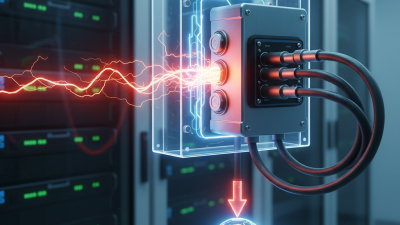
An overload voltage protector acts as a safeguard. It detects excess voltage and disconnects power quickly. This action can prevent immediate damage and extend the equipment's lifespan. The need for these devices is apparent, especially as more equipment relies on sensitive electronics. Users must not overlook this protective measure, as the long-term benefits outweigh the initial investment.
Impact of Overload Voltage on Equipment Performance
This bar chart illustrates how equipment performance declines as overload voltage increases. At normal voltage (220V), equipment operates at a performance rate of 95%. However, as the voltage rises to 250V, 280V, and 300V, the performance rate drops significantly, highlighting the importance of using overload voltage protectors to safeguard equipment.
The Role of Overload Voltage Protectors in Electrical Systems
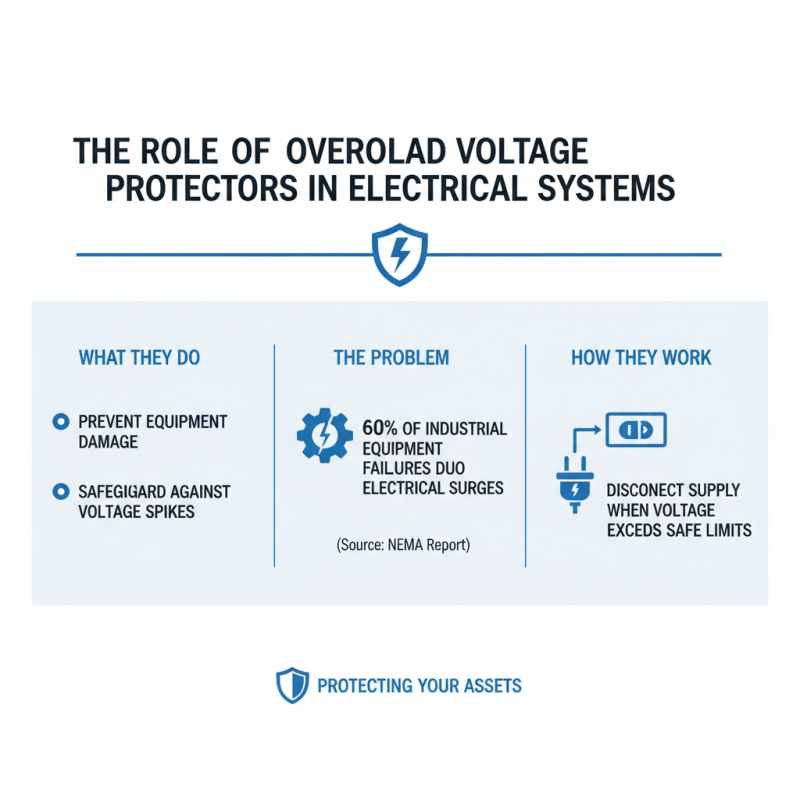
Overload voltage protectors play a critical role in safeguarding electrical systems. These devices are designed to prevent equipment damage caused by voltage spikes. In industrial settings, around 60% of equipment failure stems from electrical surges, according to a report by the National Electrical Manufacturers Association. Overload voltage protectors work by disconnecting the supply when voltage exceeds safe limits, thus averting potential hazards.
In addition to protecting machinery, overload voltage protectors enhance system reliability. They reduce the risk of downtime, which can lead to significant financial losses. A study by the International Electrotechnical Commission found that unprotected systems experience a 30% higher failure rate compared to those with proper voltage protection. This statistic underscores the importance of proactive measures in electrical management.
Yet, not all systems utilize these protectors effectively. Some operators underestimate the risk posed by voltage fluctuations. Regular maintenance and timely assessments of these protectors are essential. Ensuring their functionality can often be overlooked in busy operational environments, which invites risks. Without proper attention, the expected benefits of these devices may not be fully realized. Investing in quality overload voltage protection is not just a preventive measure; it is a step towards more resilient electrical systems.
Key Features to Look for in an Overload Voltage Protector
When considering the need for an overload voltage protector, understanding its key features is essential. Look for a device with fast response time. Research indicates that equipment can be damaged in milliseconds. A protector that responds swiftly can reduce risks significantly. Voltage clamping capability is another crucial feature. It determines how much excess voltage the device can handle before it passes through. A study by the Institute of Electrical and Electronics Engineers (IEEE) found that 60% of electrical failures stem from voltage irregularities. Devices with higher clamping ratings provide better protection.
Additionally, look for a protector with an indicator LED. This feature shows when the device is active and functional. It's an excellent way to confirm that your equipment is safe from overload situations. Surge ratings also matter. The more joules a protector can absorb, the better it can shield your devices. According to the National Electrical Manufacturers Association (NEMA), many equipment damages are linked to inadequate surge protection. Regular testing and maintenance of such devices are essential. These practices not only ensure reliability but can also improve the lifespan of connected equipment.
Installation and Maintenance Guidelines for Overload Voltage Protectors
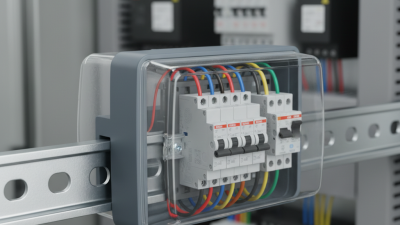
Overload voltage protectors are essential for safeguarding your equipment from voltage spikes. Proper installation is crucial. Always follow the manufacturer's guidelines closely. Ensure that the protector matches your equipment's voltage and current ratings. This prevents mismatches that could lead to equipment failure.
Tips: Inspect your installation site for dirt or moisture. Clean the area if needed. A clean environment helps maintain the efficacy of your protector.
Regular maintenance is key to ensuring longevity. Periodically check for signs of wear or damage. If the protector shows signs of overheating, replace it immediately. Neglecting maintenance can lead to costly repairs down the line.
Tips: Set a calendar reminder for maintenance checks. Consistency is vital for preventing issues before they arise.
Always consult an expert if you're uncertain about installation or maintenance procedures. Their expertise can save you from making mistakes that could damage your equipment. Remember, awareness of your protector's condition can prevent downtime and enhance performance.
Real-World Applications and Benefits of Using Overload Voltage Protection
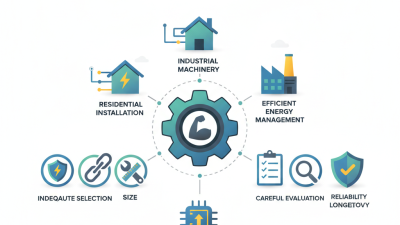
Overload voltage protectors play a crucial role in safeguarding your equipment. These devices detect harmful voltage spikes and act swiftly to shield sensitive components. For example, consider a factory that relies on complex machinery. A sudden power surge could damage these machines, leading to costly downtime. With an overload voltage protector, the machinery remains operational, ensuring productivity stays on track.
In residential settings, these protectors can prevent damage to electronics like televisions and computers. A household may experience power fluctuations during storms. Instead of risking permanent harm to valuable devices, an overload protector activates immediately, cutting off the excess voltage. This simple action saves money and prolongs the life of your electronics.
Even with their advantages, overload voltage protectors are not foolproof. Maintenance is vital for ensuring their effectiveness. Without regular checks, they may not function as intended during a critical moment. Users must remain vigilant and aware of their devices' condition. This ongoing responsibility can sometimes be overlooked, leading to a false sense of security. It's essential to integrate these devices into a broader strategy of electrical safety and equipment maintenance.
Why Do You Need an Overload Voltage Protector for Your Equipment? - Real-World Applications and Benefits of Using Overload Voltage Protection
| Application Area |
Type of Equipment |
Risk Without Protection |
Benefits of Protection |
| Manufacturing |
Motors and CNC Machines |
Equipment damage due to voltage spikes |
Increased lifespan and reduced downtime |
| Residential |
Home Appliances |
Fire hazard and appliance failure |
Enhanced safety and reliable operation |
| Telecommunications |
Networking Equipment |
Data loss and equipment malfunction |
Protection of vital data and equipment integrity |
| Healthcare |
Medical Devices |
Risk to patient safety and equipment function |
Improved reliability and patient safety |
| Data Centers |
Servers and Storage Systems |
Risk of significant data loss |
Secured data integrity and improved operations |

 +86 13868429846
 Contact Phone
 Contact Email