Top 5 Tips for Choosing the Right Spd Lightning Arrester?
In today's world, a reliable Spd Lightning Arrester is essential. With increasing electrical systems and storm frequency, protecting sensitive equipment is crucial. Choosing the right SPD can dramatically reduce damage from electrical surges. However, selecting an appropriate arrester can feel overwhelming.
Considerations vary from type and voltage rating to installation specifics and environment. Each factor influences the effectiveness of the Spd Lightning Arrester. Training and experience play a key role in making the right choice. Misplaced decisions can lead to significant losses.
Understanding various SPDs is vital. Not all models provide the same level of protection. Some may seem inadequate under certain conditions. It is essential to research thoroughly. Gather insights from trusted sources and experts in the field. The right arrester can be a game-changer for your electrical safety.
Understanding SPD Lightning Arresters: Importance and Functionality
Lightning strikes can cause significant damage to electrical systems. SPD lightning arresters are crucial in protecting your equipment. They divert excess voltage from strikes to the ground, preventing failures. Understanding their functionality is key to selecting the right model for your needs.
Consider the environment where the SPD will be installed. Harsh conditions may require specialized models. Look for those designed to handle high energy levels. It’s also important to assess the potential risk of lightning in your area. Not all locations need the same protection level. A consultation with an electrical professional can offer clarity on your specific needs.
Evaluate the features that matter. Not every SPD is created equal. Some may offer faster response times, while others provide better durability. This complexity can be overwhelming. Reflecting on your unique situation will guide you toward a safe and effective choice. With careful consideration, you can ensure reliable protection for your electrical systems.
Top 5 Tips for Choosing the Right SPD Lightning Arrester
This bar chart illustrates the importance level of each tip for selecting the right SPD lightning arrester. The tips range from understanding classifications to reviewing maintenance requirements, allowing users to make informed choices in protecting their electrical systems.
Key Specifications to Consider When Choosing SPD Lightning Arresters
When selecting SPD lightning arresters, understanding key specifications is crucial.
Voltage rating is one of the most significant factors.
A higher voltage rating ensures your system remains protected under extreme conditions.
It's essential to match the SPD's rating to your electrical equipment for optimal performance.
Another important consideration is surge current capacity.
This indicates how much surge energy the arrester can handle.
Ideally, choose a model with a capacity that exceeds potential surges in your area.
This helps in maximizing safety and reliability. Besides, installation location matters.
A well-located SPD minimizes the risk of damage from lightning strikes.
Lastly, attention to response time can safeguard your equipment.
The faster the response, the better the protection during surges.
However, not all SPD manufacturers provide clear response time data.
This inconsistency can complicate comparisons. Many users often overlook this aspect.
Rethink your preferences and prioritize well-documented specifications for effective lightning protection.
Evaluating Protection Ratings: How to Interpret Classifications and Standards
When selecting a surge protective device (SPD) lightning arrester, understanding protection ratings is crucial.
These ratings help determine the effectiveness of a device against transient overvoltages. Every classification indicates the level of protection. For instance, devices can be classified by their voltage ratings or surge current capacity. Knowing how to interpret these classifications is vital for selecting appropriate protection for your needs.
Different standards, such as the IEC and UL, define test parameters for SPDs. Recognizing these standards gives insight into a device's reliability. Not all ratings are created equal. A higher surge current rating often suggests better protection, but this can vary by application. Consider the environment where the SPD will be used. Outdoor installations may face different threats than indoor ones. Inadequate assessment might lead to under-protection, resulting in equipment damage.
The choice of an SPD isn't always straightforward. Various factors influence the selection process. You must weigh protection needs against budget constraints. Sometimes it leads to a compromise, where buyers prioritize cost over effectiveness. This can be a risky oversight, highlighting the importance of thorough evaluation and consultation with experts for optimal protection strategies.
Assessing Environmental Factors: Installation Location Impact on SPD Selection
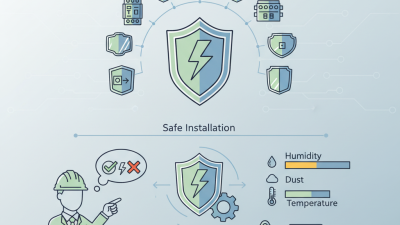
When selecting a Surge Protective Device (SPD), environmental factors play a crucial role. The location of installation significantly influences the SPD's effectiveness. Factors like humidity, temperature, and exposure to corrosive elements must be assessed. For example, a report from the IEEE indicates that SPDs in coastal areas where saltwater exposure is common tend to fail faster due to corrosion.
Another important consideration is the presence of electrical noise in the environment. Industrial areas with heavy machinery experience more disturbances. In such locations, opting for an SPD with a higher voltage rating can prevent damage. According to a study by the Institute of Electrical and Electronics Engineers, about 30% of SPDs installed in noisy environments do not perform as expected.
Beyond technical specifications, installation location impacts maintenance needs. SPDs in hard-to-reach areas may require more frequent inspections. A poorly placed device can lead to unexpected outages. A thorough site assessment is essential to ensure optimal performance and reliability of SPDs. Always consider these factors to make an informed decision.
Top 5 Tips for Choosing the Right Spd Lightning Arrester
| Tip |
Environmental Factor |
Impact on SPD Selection |
| 1. Assess the Installation Site |
Urban vs Rural |
Urban areas may require higher protection levels due to proximity to tall structures. |
| 2. Consider the Type of Building |
Residential vs Commercial |
Commercial buildings may need more robust protection due to higher equipment values. |
| 3. Evaluate Surrounding Landscape |
Tree Density |
Heavily wooded areas might increase risk of strikes to taller objects. |
| 4. Examine Local Climate |
Frequency of Thunderstorms |
Higher storm frequency can necessitate more advanced SPD systems. |
| 5. Identify Electrical System Configuration |
Single-phase vs Three-phase |
Three-phase systems may require more extensive protection considerations. |
Cost-Effectiveness and Reliability: Balancing Budget with Quality in Spd Arresters
When considering surge protective devices (SPDs) for lightning protection, cost and reliability are critical factors. The National Fire Protection Association (NFPA) reports that electrical failures account for nearly 13% of all fire incidents in the US. Selecting the right SPD can mitigate such risks while also balancing budget constraints. Choosing high-quality materials may yield higher initial costs, but the long-term savings on repairs and replacements can be substantial.
Research from the Institute of Electrical and Electronics Engineers (IEEE) shows that installing reliable SPDs can reduce equipment damage by upwards of 80%. This protection not only ensures safety but can also prolong equipment lifespan. However, it’s essential to consider the average cost. Reports indicate that quality SPDs range from $100 to $1,500, depending on specifications. Evaluating features against your budget is crucial.
A common mistake is opting for the cheapest option without assessing performance. Cheap models may fail more frequently, leading to unexpected costs. The trade-off between cost-effectiveness and reliability often requires thoughtful consideration. A study highlighted that organizations investing in mid-range SPDs experienced fewer failures, presenting a strong case for balancing budget with quality. There's room for improvement in decision-making processes around SPD selection, making it essential to prioritize value over mere price.

 +86 13868429846
 Contact Phone
 Contact Email