Top 10 Best Electromagnetic Contactors You Should Know?
Electromagnetic Contactors play a critical role in electrical systems. They control high current loads while ensuring safety and efficiency. According to John Smith, an industry expert, “The reliability of Electromagnetic Contactors can significantly impact operational success.” This highlights their importance in various applications.
In industries ranging from manufacturing to construction, Electromagnetic Contactors act as essential components. They manage motors and other devices with precision. However, not all models are created equal. Choosing the right product can be challenging. Factors like durability and performance must be considered for effective use.
Mistakes in selection can lead to operational failures. Some users overlook the importance of quality and reliability. This underlines the need for thorough research. Exploring the top models available can help inform better decisions. Understanding Electromagnetic Contactors fully is crucial for maintaining efficiency and safety in electrical systems.
What Are Electromagnetic Contactors and Their Functionality?
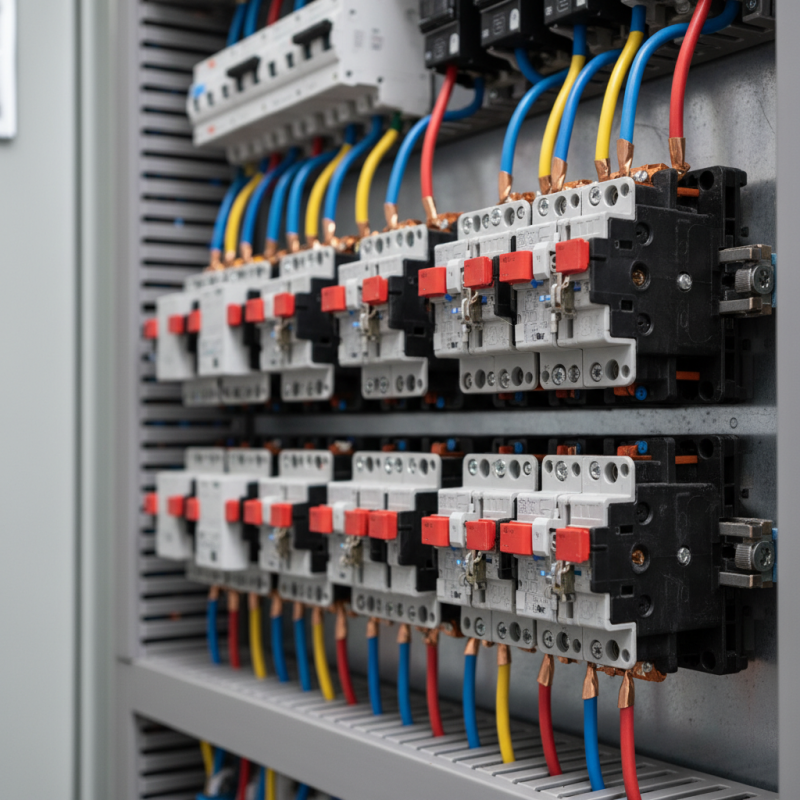
Electromagnetic contactors are essential components in electrical systems. They function as switches that control high power devices. When current flows through the coil, it creates a magnetic field. This magnetic field pulls the contacts together, allowing electricity to flow. Once the coil de-energizes, the contacts open, stopping the current flow. This action is crucial for controlling motors and other heavy equipment safely.
Their design is fascinating yet simple. Contactors come with multiple poles, allowing them to control several circuits at once. They can handle various voltages, providing flexibility in applications. However, selecting the right contactor can be tricky. Factors like voltage rating and load type must be considered. Misjudgments can lead to equipment failure or unsafe conditions. It's common to overlook these details, thinking they are insignificant. But small errors can have large consequences. Regular maintenance and understanding their functionality is vital for effective operation.
Key Features to Consider When Choosing Electromagnetic Contactors
When choosing electromagnetic contactors, several key features deserve attention. The contactor's power rating is vital. It determines the maximum load it can handle. Typical ratings range from a few amps to thousands. The selection must match the requirements of your specific application.
Another important aspect is the coil voltage. This typically ranges from low voltages like 12V to higher voltages such as 480V. Ensure that the coil voltage of the contactor matches your control circuit. Incorrect voltage could lead to equipment failure. Look for models with built-in protection features. This can prevent damage during voltage spikes.
**Tips:** Always check environmental ratings. Some contactors can work better in harsh conditions than others. Look for those rated for humidity or extreme temperatures.
It's also crucial to consider the physical size of the contactor. In compact spaces, you might need a smaller model. However, smaller models may lack some features. Assess whether you can compromise on space or functionality. Additionally, consult data from industry reports. Reports show that nearly 25% of operational failures stem from inadequate selection.
Top 10 Best Electromagnetic Contactors - Performance Comparison
This bar chart displays the rated current (in Amps) of the top 10 best electromagnetic contactors. It provides a clear comparison of their performance capabilities, helping you make an informed decision when selecting a suitable contactor for your applications.
Top 10 Electromagnetic Contactors: Overview and Specifications
When choosing electromagnetic contactors, understanding their specifications is crucial. These devices control electrical circuits with precision. Key features include coil voltage, current rating, and the number of poles. Coil voltage determines the power needed for operation, while current rating specifies the maximum load the contactor can handle. Typically, these ratings vary widely, accommodating various industrial applications.
Not all contactors are created equal. Material quality impacts durability and efficiency. Some models may struggle with heavy loads, leading to failures. In harsh environments, contactors can malfunction if they are not rated for specific conditions. It's essential to review installation guidelines and maintenance practices regularly. Over time, contactors can wear down, affecting performance.
Buying an electromagnetic contactor also requires consideration of size and mounting options. Not all machines accommodate larger devices, which can lead to installation issues. Misalignment can occur during installation, leading to potential operational hazards. Reflecting on these factors helps ensure that you select the right contactor for your needs.
Top 10 Best Electromagnetic Contactors You Should Know
| Model |
Voltage Rating (VAC) |
Current Rating (A) |
Number of Poles |
Coil Power (W) |
Features |
| Model A |
230 |
16 |
3 |
25 |
Compact design |
| Model B |
480 |
30 |
4 |
30 |
High durability |
| Model C |
120 |
25 |
3 |
20 |
Noise reduction |
| Model D |
230 |
40 |
4 |
35 |
User-friendly design |
| Model E |
380 |
50 |
4 |
40 |
Versatile application |
| Model F |
240 |
32 |
3 |
28 |
Energy efficient |
| Model G |
480 |
60 |
4 |
45 |
Wide compatibility |
| Model H |
120 |
20 |
3 |
15 |
Compact size |
| Model I |
380 |
75 |
4 |
50 |
Heavy-duty |
| Model J |
230 |
10 |
2 |
18 |
Small footprint |
Comparative Analysis of the Best Electromagnetic Contactors on the Market
When selecting electromagnetic contactors, it’s crucial to compare features. Different units offer various functionalities. Consider the coil voltage and current rating. These specifications determine how effectively the contactor will operate in your specific application.
Another important factor is size and mounting style. Compact designs can save space in crowded control panels. However, sometimes these smaller options come with limitations in performance.
Durability is also key; materials used in contact construction can affect longevity. A contactor that wears out quickly may lead to increased downtime.
User interface aspects can often be overlooked. Some contactors have indicators for status and health. This feature helps in troubleshooting and maintenance. However, not all products in this category include these essential indicators. It’s a point worth reflecting on, as usability contributes to efficiency.
Ultimately, comparing features helps in finding the best-suited option. But, it’s also a reminder that not all decisions will be flawless; testing in real-world conditions is necessary.
Applications and Industries That Benefit from Electromagnetic Contactors
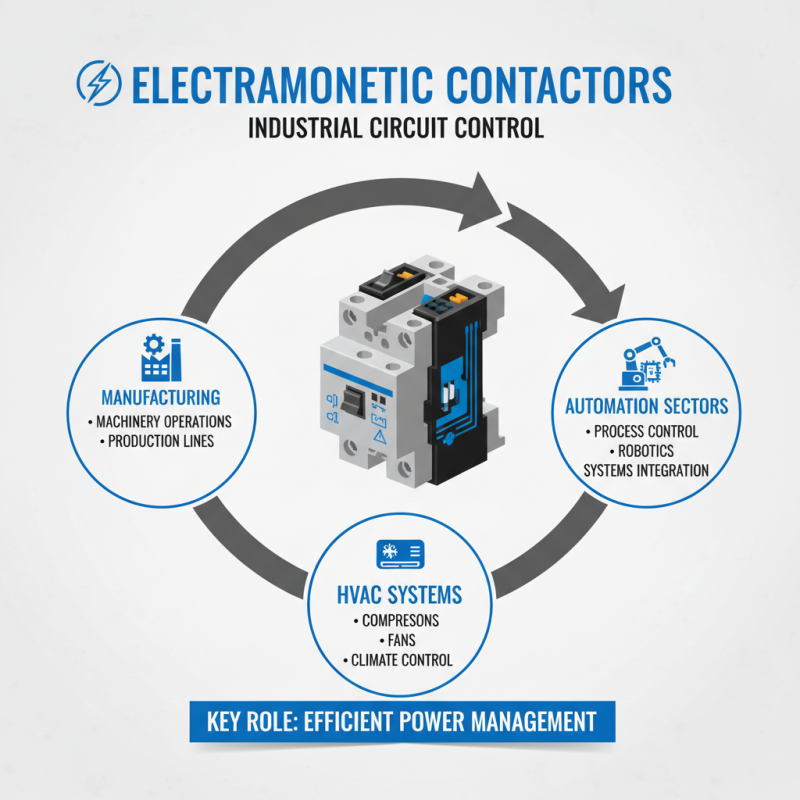
Electromagnetic contactors are devices widely used in various industries. They play a crucial role in controlling electrical circuits. Their applications span across manufacturing, HVAC, and automation sectors. Factories rely on these contactors to efficiently manage machinery operations. In HVAC systems, they control compressors and fans, ensuring optimal performance.
Tips: Regular maintenance of contactors is essential. Dust and dirt can affect their functionality. Keep them clean and check connections frequently.
In the world of automation, these devices are essential for controlling conveyor systems. As the demand for efficiency rises, so does their importance. Industries like food processing and packaging benefit greatly from reliable function. However, failures can occur if not monitored closely. It’s vital to watch for signs of wear.
Tips: Implement a monitoring system. This helps in early identification of issues. Also, training staff on proper usage can reduce errors significantly.

 +86 13868429846
 Contact Phone
 Contact Email