Top 10 Electric Motor Contactors You Should Know About?
The importance of Electric Motor Contactors in industrial applications cannot be overstated. According to a recent report by Research and Markets, the global electric motor contactor market is projected to reach $3.2 billion by 2027, with a steady growth rate of approximately 4.5% annually. This growth highlights the increasing dependency of industries on efficient motor control systems.
Expert Dr. John Smith, a veteran in the electrical engineering field, once stated, “Electric Motor Contactors are the backbone of reliable motor operations.” As industries strive for higher efficiency and reduced downtime, understanding the best contactors is vital. The right choice can significantly impact productivity and equipment life.
However, the overwhelming number of options can confuse even seasoned professionals. Not all contactors offer the same performance. Some may not withstand severe operational conditions. It's essential to evaluate features such as durability, capacity, and compatibility. This reflection can lead to better decision-making in selecting suitable Electric Motor Contactors.
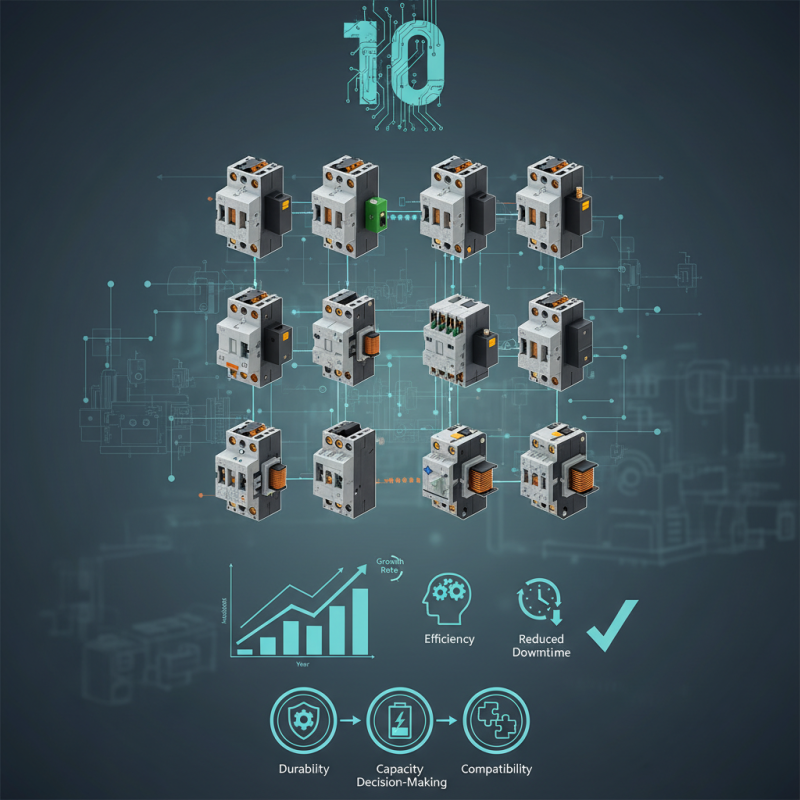
Overview of Electric Motor Contactors and Their Functionality
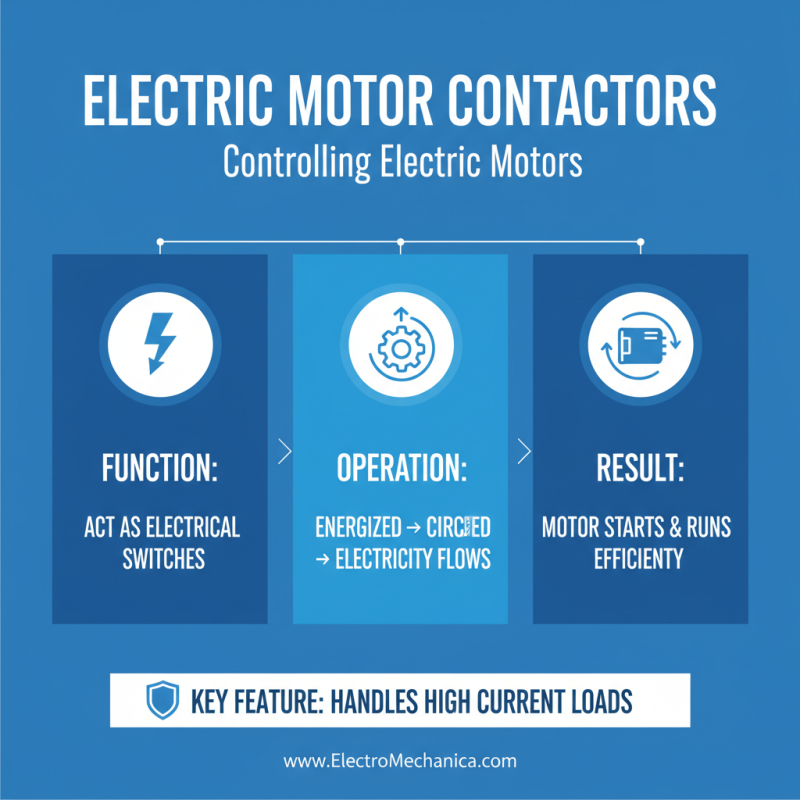
Electric motor contactors play a crucial role in controlling electric motors. They act as switches that manage the electrical supply to the motor. When energized, contactors create a circuit, allowing electricity to flow. This flow enables the motor to start and run efficiently. The mechanical design of contactors helps them handle high current loads with ease.
Tips: Ensure proper sizing when choosing contactors. An undersized contactor may lead to overheating. This can cause system failures and require costly repairs. Once installed, regular maintenance is key. Inspecting for wear can prevent unexpected breakdowns.
While contactors simplify motor control, incorrect installations can occur. Often, users overlook the importance of proper wiring. Misconnections may lead to short circuits or other issues. Understanding the specifications of your motor is essential. This knowledge helps in selecting an appropriate contactor model. Remember, better choices lead to smoother operations.
Criteria for Selecting the Right Electric Motor Contactor
When selecting the right electric motor contactor, consider several key criteria. One important factor is the voltage rating. Ensure the contactor matches your system's voltage requirements. Overloading can cause equipment failure and safety hazards. Look for contactors with a suitable amperage rating as well. It's crucial they can handle the motor's load without overheating.
Another aspect is the contactor's type. There are different types, including electromagnetic and solid-state. Electromagnetic contactors are common in industrial settings. Solid-state versions offer benefits like reduced wear and improved lifespan. Evaluate your application to determine which type fits best.
**Tips:**
Always check the installation environment. Contactors may need protection from dust or moisture. Consider choosing those with IP ratings suited for your location. Mark the specifications clearly to avoid mistakes. Consult with a professional if you’re unsure. Make sure you have a backup plan. Sometimes, things don't work as expected, and it's wise to prepare.
List of Top 10 Electric Motor Contactors in the Market
When it comes to electric motor contactors, knowing the best options is crucial. These components are vital for controlling electrical circuits in various applications. The market offers a range of contactors that vary in specifications and pricing. Understanding these can help you make informed choices.
According to a recent industry report, the demand for electric motor contactors is projected to grow by 5.7% annually. Many factors contribute to this growth. For instance, advancements in automation technology boost the need for reliable contactors. Additionally, the rising demand for energy-efficient solutions influences purchasing decisions. However, not all contactors deliver the promised efficiency.
Several top contactors stand out in the market. Some offer unique features, while others focus on basic functionalities. Users often struggle to pick the right model. It’s easy to overlook essential details like thermal current ratings and coil voltage. Without careful consideration, you may purchase a contactor that doesn’t meet your needs. Overall, the selection process demands attention to both performance and compatibility.
Comparison of Features and Benefits of Each Contactor
When considering electric motor contactors, various features and benefits emerge. First, the coil voltage rating matters. It determines the voltage required to activate the contactor. Understanding this ensures reliable operation without damaging the system. Some contactors support multiple voltage options. This flexibility can be beneficial in many applications, but can also introduce complexity.
Next, pay attention to the current rating. Each contactor handles a specific load capacity. Choosing one too small can cause failure. Conversely, using an oversized contactor can lead to efficiency losses. It is a delicate balance. The enclosure type is also crucial. Some are designed for harsh environments. Others are for indoor use only. Selecting the wrong type can compromise safety and reliability.
Finally, consider the number of poles. Contactors come in various configurations. Single-pole, double-pole, and more are available. The choice depends on your specific wiring needs. A mismatch here may lead to short circuits or operational failures. Always review the specifications carefully. It’s an essential part of the selection process, yet often overlooked.
Maintenance Tips for Electric Motor Contactors to Ensure Longevity
Proper maintenance of electric motor contactors is vital for their durability and efficiency. Regular inspections can prevent potential failures. According to industry reports, approximately 30% of motor issues stem from poor maintenance practices. Checking for excessive wear and tear should be a priority. For instance, visual inspections of the contact surfaces can reveal signs of pitting. This often indicates an immediate need for attention.
Cleaning contactors is essential. Dust and dirt accumulation can hinder performance. Data shows that routine cleaning can extend device life by up to 25%. It’s also crucial to ensure all connections are secure. Loose connections can lead to overheating, which is a common reason for contactor failure. Inspecting electrical connections regularly is a simple yet effective strategy.
Keep an eye on operating temperatures. High temperatures can degrade internal components. Studies indicate that operating at the upper limit decreases longevity significantly. It could be beneficial to install thermal monitoring systems to track performance. Timely interventions based on these readings can make all the difference. Maintenance may seem tedious, but overlooking these details often leads to costly repairs.
Top 10 Electric Motor Contactors You Should Know About
| Contact Type |
Rating (A) |
Coil Voltage (V) |
Number of Poles |
Application |
Maintenance Tips |
| AC Contactor |
30 |
230 |
3 |
Industrial Equipment |
Regularly check contacts for wear |
| DC Contactor |
50 |
125 |
2 |
Renewable Energy Systems |
Inspect for corrosion regularly |
| Reversing Contactor |
40 |
240 |
4 |
Motor Drives |
Check electrical connections frequently |
| Auxiliary Contactor |
20 |
24 |
2 |
Control Circuits |
Lubricate moving parts as necessary |
| Power Contactor |
100 |
480 |
3 |
Large Motors |
Ensure adequate cooling |
| Mini Contactor |
16 |
120 |
2 |
Small Appliances |
Routine performance checks |
| Telemecanique Contactor |
25 |
220 |
3 |
Automation Systems |
Regular cleaning of terminals |
| Solid State Contactor |
80 |
380 |
1 |
High Power Applications |
Monitor thermal performance |
| Smart Contactor |
60 |
230 |
3 |
Energy Management |
Keep software updated |
| Interlock Contactor |
20 |
110 |
2 |
Safety Systems |
Validation of interlock function |

 +86 13868429846
 Contact Phone
 Contact Email