Top Overload Voltage Protector Solutions for Global Buyers?
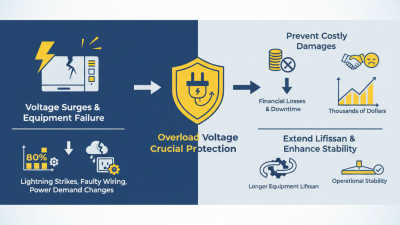
In today's rapidly evolving technology landscape, the significance of an effective Overload Voltage Protector cannot be overstated. As electrical systems become more complex, the risk of voltage surges increases. These surges can cause catastrophic damage to equipment and disrupt operations. An efficient Overload Voltage Protector safeguards valuable assets from these threats.
Global buyers face numerous options when selecting a suitable protector. Each solution varies in design, functionality, and cost-effectiveness. Understanding the nuances of these products is crucial for making informed decisions. A protector's reliability often stems from its engineering and materials. Investing in a high-quality protector pays dividends in the long run.
However, with a myriad of options available, buyers must navigate choices carefully. Not all solutions meet industry standards or user expectations. Reviews and expert opinions play a vital role in this decision-making process. Ensuring long-term safety and performance should always be the priority when choosing an Overload Voltage Protector.
Understanding Overload Voltage Protection: Key Concepts and Importance
Overload voltage protection is crucial for safeguarding electronic devices from damage. It serves as a barrier against excessive voltage surges that can occur unexpectedly. Understanding key concepts such as voltage levels, surge protection, and load management is essential for anyone involved in electronics.
Commonly, an overload can happen due to external factors like lightning strikes. Thus, implementing reliable protection mechanisms is vital. These mechanisms operate by diverting excess voltage away from sensitive components. Proper selection of these devices ensures longevity and efficient performance.
Tips for choosing overload voltage protectors include assessing your device's voltage rating and expected surge conditions. Always review the specifications before making a purchase. Additionally, consider the environment where the device will be used. High humidity or extreme temperatures can impact the effectiveness of protection devices. Regular inspections can also detect potential failures early.
Top Overload Voltage Protector Solutions
This chart illustrates the effectiveness of different overload voltage protection solutions based on their voltage clamping level (V) and response time (ms). The data showcases how various technologies compare in terms of protecting sensitive electronic devices from voltage surges.
Types of Overload Voltage Protectors: A Comprehensive Overview
Overload voltage protectors are essential in safeguarding electrical devices from voltage spikes. There are several types, each with distinct functions. The most common types include surge protectors, voltage limiters, and metal oxide varistors (MOVs). Understanding these options helps buyers choose the right protector for their applications.
Surge protectors are designed to absorb excess voltage from lightning or power surges. They divert high energy away from connected devices, ensuring their longevity. Voltage limiters, on the other hand, restrict voltage levels to a safe threshold. This feature is particularly useful in sensitive equipment. MOVs are semiconductor components that absorb and dissipate surge energy. They are widely used in consumer electronics.
Tips: Always assess your power requirements before selecting an overload voltage protector. Consider the energy absorption capacity of the protector. A mismatch can lead to inadequate protection or equipment failure. Regularly inspect your protectors for wear and tear. Protectors can degrade over time, losing their effectiveness. Identifying the right type involves understanding the specifications of your devices and the environment they operate in. Each protector has its limits; knowing these can prevent serious damage.
Top Brands and Products in Overload Voltage Protection Solutions
Overload voltage protection is essential for safeguarding electronic devices. Many top brands produce reliable voltage protectors that cater to diverse needs. These devices are designed to detect voltage surges, preventing damage to sensitive equipment. Each brand offers distinct features and benefits.
When selecting a protector, consider the environment. Some products perform better in high humidity or extreme temperatures. Devices with fast response times are crucial for critical applications. Efficiency can sometimes be overlooked while focusing on cost. This might lead to choosing incompatible products that fail during surges. Reliability is another important aspect. A quality protector will provide consistent performance over time.
User feedback is crucial in evaluating products. Some solutions may initially seem perfect but deliver inconsistent results. Researching expert reviews can highlight potential flaws. Engaging with community forums offers insights into real-world experiences. This process can help buyers make informed decisions. It’s important to weigh all factors before making a purchase.
Top Overload Voltage Protector Solutions for Global Buyers
| Product Type |
Voltage Rating (V) |
Current Rating (A) |
Protection Type |
Features |
Approximate Price (USD) |
| Surge Protector |
120/240 |
20 |
Transient |
LED Status Indicator, Resettable |
25 |
| Voltage Regulator |
240 |
15 |
Under/Over Voltage |
Compact Design, High Efficiency |
50 |
| Overvoltage Protection Module |
400 |
10 |
Over Voltage |
Rugged Construction, Fast Response |
35 |
| Line Voltage Monitor |
120 |
30 |
Monitoring |
Digital Display, Alerts |
80 |
| Circuit Breaker |
240 |
40 |
Overcurrent |
Manual Reset, Trip Indicator |
60 |
Factors to Consider When Selecting Overload Voltage Protectors
Selecting the right overload voltage protector requires careful consideration of various factors. The first aspect is the voltage rating. A protector must match the application's maximum voltage to ensure safety. According to industry reports, a mismatch can lead to equipment failure or damage, leading to costly downtime.
Another important factor is energy absorption capacity. Protectors with higher ratings can absorb larger surges, providing better protection. Data suggests that devices with an energy absorption capability above 200 Joules significantly enhance system longevity. This is crucial, especially in regions prone to electrical storms.
Tips: Always evaluate the specifications of each protector carefully. Compare them against your system's historical data on voltage surges.
The installation environment also matters. Look for protectors rated for specific environmental conditions such as humidity, temperature, and exposure to dust. Inadequate ratings may diminish the protector's effectiveness over time. Understanding local environmental challenges is essential for optimal performance.
Consider the surge current rating, too. Many protectors can handle short bursts of current, but not all can sustain prolonged exposure without failure. Studies indicate a direct correlation between surge current ratings and reliability, emphasizing the need for thorough research.
Tips: Consult professionals if you're uncertain about conditions affecting your equipment. Their expertise can guide you toward better choices.
Global Market Trends and Innovations in Voltage Protection Technology
The global market for voltage protection technology is evolving rapidly. Innovations in materials and design are shaping the landscape. According to a recent industry report, the voltage protection market is projected to grow by 7% annually over the next five years. This growth reflects the increasing demand for reliable protection against overloads in various sectors.
Voltage protectors are critical for preventing equipment damage. Power surges can lead to costly downtime and repairs. Technologies such as metal-oxide semiconductors (MOS) and polymer varistors have gained traction. They offer durability and stability under extreme conditions. Nevertheless, the challenge remains in ensuring their reliability over extended periods. Manufacturers must continuously assess the lifespan and performance of these devices to meet industry standards.
Here are a few considerations when choosing a voltage protector. Consider the environment where it will be used. Extreme temperatures, humidity, or dust can affect performance. Look for solutions that provide better energy efficiency. This not only saves costs but also reduces the carbon footprint. Effective voltage protection can prevent significant financial losses. Investing in quality technology is essential for long-term sustainability and performance.

 +86 13868429846
 Contact Phone
 Contact Email