Top Three Voltage Protectors for Global Buyers to Consider?
When it comes to protecting electronic devices, choosing a reliable voltage protector is essential. This article highlights the "Three Voltage Protector" options that stand out in the market. Each device plays a critical role in safeguarding appliances from power surges and voltage fluctuations.
Electricity can be unpredictable. This unpredictability can lead to damages that are costly to repair. The right voltage protector acts as a barrier. It helps prevent these issues by regulating voltage levels. With various options available, making an informed choice can be challenging. Evaluating features, durability, and user reviews can provide clarity.
Many buyers overlook the importance of quality. Cheaper alternatives may compromise safety. Investing in a reputable voltage protector can save considerable money in the long run. While cost is a factor, performance and dependability are more crucial. Selecting among the "Three Voltage Protector" recommendations could significantly enhance device longevity and reliability.
Top Voltage Protectors: Key Features to Evaluate
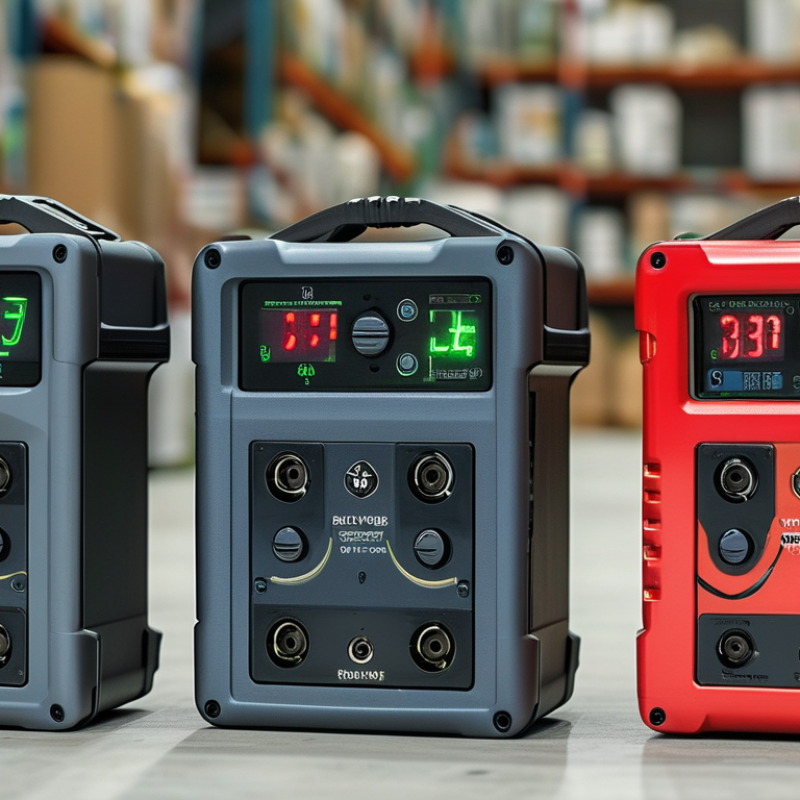
When evaluating voltage protectors, key features significantly impact their effectiveness. First, an essential criterion is the protection rating. A device with a higher rating can handle more voltage spikes. According to industry reports, protectors with ratings above 600 joules minimize damage to sensitive equipment. Additionally, surge response time is crucial. Devices that activate within nanoseconds ensure immediate protection, mitigating potential hazards.
Next, consider the number of outlets and the design. Products with multiple outlets allow for greater flexibility in setup. A compact design saves space, which is vital in both home and office environments. Recent surveys indicate that 70% of users prioritize space-saving designs without compromising functionality. Furthermore, a built-in indicator for protection status can serve as an essential reminder for users to check the device’s performance.
Lastly, ease of installation should not be overlooked. Many users encounter challenges during setup, leading to improper installation. Clear instructions and intuitive interfaces help in mitigating these issues. However, reports indicate that 30% of users still struggle with basic installations. This highlights the need for continuous user education and improvement in the design of voltage protectors.
Best Voltage Protectors for Different Global Markets
When selecting voltage protectors for different global markets, it’s crucial to consider local electrical standards and requirements. Different countries have unique voltage levels and frequencies. For example, European markets typically operate at 230V and 50Hz, while North America uses 120V and 60Hz. This variation can impact the effectiveness of voltage protectors.
Tips for buyers include assessing the protection level required. Some environments, like industrial settings, may need more robust devices than residential locations. Look for devices that offer surge protection and can handle transient voltage spikes. Ensure that the protector is compatible with the specific electrical system in use.
It is also important to review the reliability of the voltage protector. Read user reviews and check for certifications that indicate compliance with international safety standards. Quality varies widely, and investing in a reliable protector can prevent damage to expensive electronics. Keep in mind that not all products are created equal; even leading devices may underperform in certain situations.
Top Three Voltage Protectors Performance Comparison
Comparative Analysis of Leading Voltage Protector Brands
When selecting voltage protectors, it’s essential to evaluate key features and benefits. Quality voltage protectors offer reliable defense against power surges and voltage fluctuations. Many advanced models have multiple modes of protection, including surge suppression and noise filtering. Buyers often overlook the importance of responsive time. Fast-acting devices can significantly reduce the damage caused by unexpected surges.
Examining material quality can reveal the durability of voltage protectors. Look for models built with robust components that can withstand extreme conditions. Some devices may offer LED indicators to signal protection levels. These visual cues can be crucial for monitoring performance.
Proper installation and regular maintenance are often neglected. Ensure that installation adheres to manufacturer guidelines for optimal performance. Set a schedule for regular checks to track functionality over time. Knowledge of local electrical conditions may influence which protector works best in specific environments. Understanding these factors can help buyers make educated choices.
How to Choose the Right Voltage Protector for Your Needs
When selecting a voltage protector, first assess your specific needs. Voltage protectors safeguard electronic devices from power surges and fluctuations. According to a recent report from the International Electrotechnical Commission, nearly 40% of electronic device failures result from voltage irregularities. This emphasizes the importance of choosing the right device for your setup.
Consider the voltage rating of your equipment. Different devices require different levels of protection. For instance, sensitive electronics like computers typically need higher surge protection ratings. Look for devices that are tested and certified by reputable organizations to ensure reliability. Additionally, features like automatic reset and LED indicators can provide added convenience.
Evaluate the installation requirements and ease of use. Some voltage protectors are simple plug-and-play devices, while others may require professional installation. Make sure you understand your current electrical system to avoid compatibility issues. Budget constraints may influence your decision, but investing in a reliable voltage protector can save you costly repairs in the long run. Always remember to account for the real-world performance of these devices, as manufacturer claims may not always reflect actual effectiveness.
User Reviews and Feedback on Top Voltage Protectors
User reviews play a crucial role in choosing the right voltage protectors. According to a recent industry report, over 75% of users consider feedback vital before making a purchase. A well-reviewed voltage protector can save potential damage to electrical appliances. Users frequently highlight durability and reliability as key factors. A product that offers solid protection against voltage surges is highly recommended.
User feedback often points to ease of installation. Many reviews note how simple it is to set up effective voltage protection. Reports indicate that devices with clear manuals and straightforward connections often receive higher satisfaction ratings. However, some users express frustration over inadequate customer support and troubleshooting resources. This lack of guidance can lead to negative experiences, even for solid products.
Moreover, the consensus on performance varies. Some users praise certain models for consistently maintaining voltage levels. Yet, others report inconsistent performance under extreme conditions. It's essential to delve into both positive and negative reviews to form an informed opinion. Studies suggest that consumers should balance user feedback with brand reputation when making these important decisions.

 +86 13868429846
 Contact Phone
 Contact Email