What Are the Best SPD Surge Protective Devices for Your Needs?
In today’s digital landscape, protecting equipment from power surges is crucial. SPD surge protective devices are vital for safeguarding electronics. As noted by Dr. Emily Carter, an expert in surge protection technology, "Choosing the right SPD can save you thousands in potential damages." This statement emphasizes the importance of selecting suitable devices for individual needs.
Many businesses overlook the value of SPD surge protective devices. Without proper protection, sensitive equipment is at risk during unexpected spikes. These surges can be due to lightning strikes, power grid fluctuations, or even equipment malfunctions. Investing in high-quality SPDs can be a game-changer. However, navigating the options available can be challenging.
Different environments require specific features from SPDs. A residential setup may need different specifications than an industrial application. Users often find the myriad of choices overwhelming. It's essential to assess your needs carefully. Every surge protective device has its strengths, and understanding them can make a significant difference. Remember, the right choice often reflects your unique requirements and circumstances.
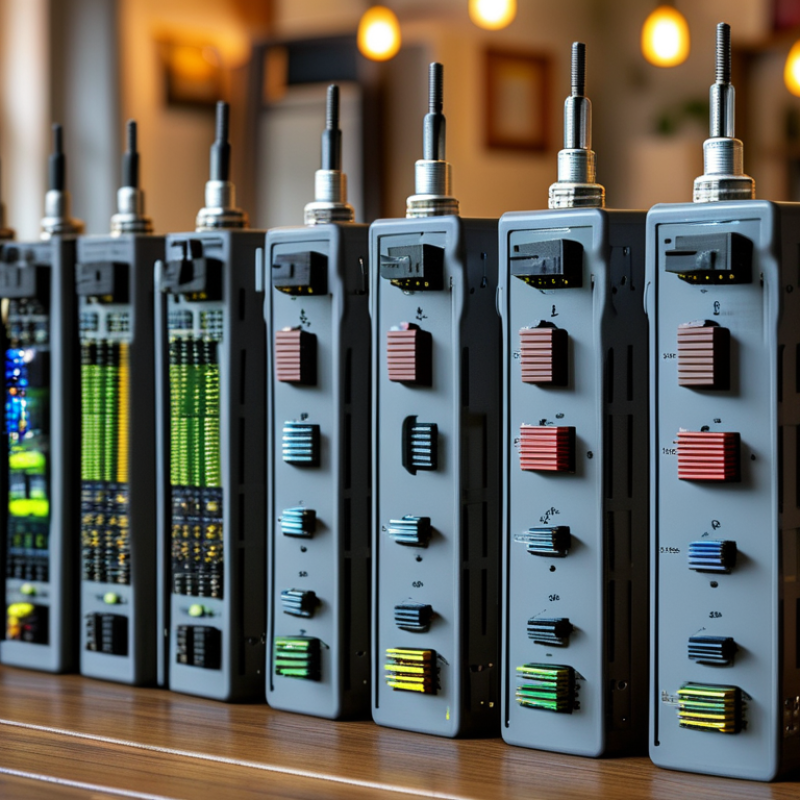
Understanding Surge Protective Devices (SPDs) and Their Functionality
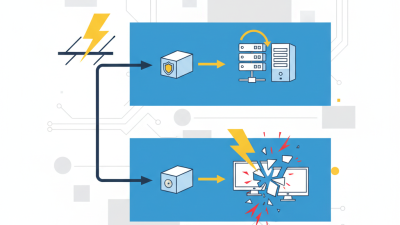
Surge Protective Devices (SPDs) play a critical role in safeguarding electrical systems from voltage spikes. These surges can occur due to lightning strikes, power outages, or fluctuations in the power grid. SPDs act as a shield, diverting excess voltage away from sensitive equipment. Understanding these devices can help you make informed decisions about their installation and maintenance.
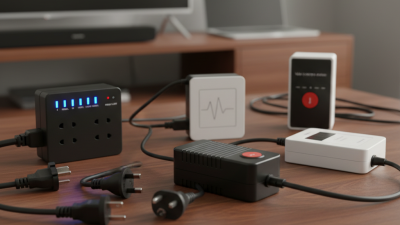
Different types of SPDs serve varying needs in residential and commercial settings. For instance, a whole-house SPD can protect multiple devices, while point-of-use devices protect individual appliances. Selecting the right type requires an evaluation of your specific electrical system and equipment sensitivity. Often, users overlook the regular inspection of these devices. This neglect can lead to diminished effectiveness over time.
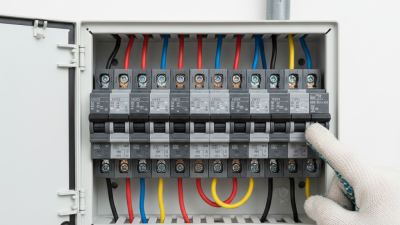
Installation is crucial for optimal performance. Employing a qualified electrician ensures proper integration with your electrical panel. Consider the placement of SPDs. Poor placement can render them ineffective. Always keep in mind that while SPDs serve as essential protection, they are not foolproof. Regular testing and replacement are necessary for maintaining their reliability and effectiveness.
Types of SPD Surge Protective Devices: A Comprehensive Overview
Surge Protective Devices (SPDs) play a vital role in safeguarding electronic equipment. Understanding the various types of SPDs can help you choose the right one for your specific needs. Common options include Type 1, Type 2, and Type 3 SPDs. Each type serves a distinct purpose based on installation location and protection level.
Type 1 SPDs are installed at the service entrance. They provide primary surge protection against external electrical surges. These devices are crucial for buildings situated in areas prone to lightning strikes. Type 2 SPDs, on the other hand, are typically installed on equipment panels, serving as a secondary line of defense. They protect against internal surges created within the facility. Finally, Type 3 SPDs are point-of-use devices. They are installed near sensitive equipment like computers and servers, offering localized protection.
While selecting an SPD, consider the specific risks to your systems. Each type has its strengths and limitations. Overcoming these challenges can be tricky. You may need to assess your facility's surge history or conduct a risk analysis. This reflective approach can lead to better protection and improved equipment longevity.
Evaluating SPD Ratings: Voltage, Current, and Response Time Explained
Understanding SPD ratings is crucial for making informed decisions. The three key aspects are voltage, current, and response time. These factors determine how well a surge protective device can safeguard your equipment.
Voltage rating indicates the maximum voltage a device can handle before it may fail. A higher voltage rating often means better protection. However, selecting a device with an excessively high rating might lead to reduced efficiency in normal conditions. It’s essential to match the device’s voltage rating with your system's requirements.
Current rating refers to the amount of surge current a device can absorb. Ideally, a higher current rating offers better protection against strong surges. Yet, you may not need the highest rating available. Assess the specific risks and select a device that aligns with your environment.
Response time is the speed at which a device reacts to a surge. Shorter response times mean quicker protection for connected devices. However, a focus on speed alone could overlook other vital features. Striking a balance among voltage, current, and response time can lead to more effective surge protection outcomes.
Evaluating SPD Ratings: Voltage, Current, and Response Time
Key Features to Look for When Choosing SPD for Specific Needs
When selecting a Surge Protective Device (SPD), key features can significantly impact performance. Consider the voltage rating. An SPD must match the system's voltage to ensure effective protection. Data shows that improperly rated SPDs account for 30% of surge protection failures. Understanding your electrical system's specifications is essential to avoid costly mistakes.
Another vital feature is the surge current rating. This rating indicates how much surge energy the device can handle. High-energy surges, such as those from lightning, can exceed typical levels. Industry reports suggest that SPDs with a surge current rating of at least 50 kA are most effective for industrial applications. Yet, some users opt for lower-rated devices, risking potential damage.
Additionally, consider the response time of the SPD. A faster response time means the device reacts promptly to surges, minimizing equipment damage. Research indicates that a response time under 1 nanosecond provides adequate protection for sensitive electronics. However, some products on the market do not meet this standard, potentially leaving systems vulnerable. Users should analyze these aspects critically when making a choice.
Industry Recommendations: Top SPD Devices Based on Expert Reviews and Data
Choosing the right Surge Protective Device (SPD) is crucial for safeguarding your electrical systems. Experts recommend assessing your specific needs before making a decision. Understanding the environment where the SPD will be installed is essential. For commercial spaces with heavy machinery, opt for a higher energy absorption rating. Residential settings may require simpler models.
It's important to consider not just performance, but also reliability. Many SPDs offer excellent protection, yet some have inconsistent reviews regarding their durability. Reading user testimonials can provide insights into long-term effectiveness. A device that performs well initially may fail under certain conditions, leading to potential damage.
**Tips:** Always check for proper installation guidelines. Incorrect installation can render even the best devices ineffective. Review maintenance recommendations to ensure your SPD continues to function optimally. Lastly, remember that no device is infallible; some situations may exceed the protection offered. Prioritize continuous education about evolving technology in surge protection.

 +86 13868429846
 Contact Phone
 Contact Email