How to Choose the Best Mcb Automatic Switch for Your Needs?
Selecting the right Mcb Automatic Switch is crucial for ensuring electrical safety and efficiency in any space. The market offers numerous options, making the choice overwhelming. It's important to understand your specific needs before making a decision.
Mcb Automatic Switches provide essential protection against short circuits and overloads. They automatically cut off the power, safeguarding your devices and home. However, not all switches are created equal. Different models come with varying specifications and features.
Consider factors like current rating and operational voltage. Think about the environment where the switch will be used. Adequate knowledge of these elements is necessary. Poor choices can lead to failures or even hazards. Therefore, researching options and consulting with experienced professionals is often advisable. Adapting the best Mcb Automatic Switch to your requirements will ensure reliable operation and peace of mind.
Understanding the Functionality of MCB Automatic Switches
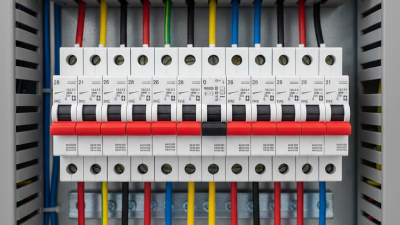
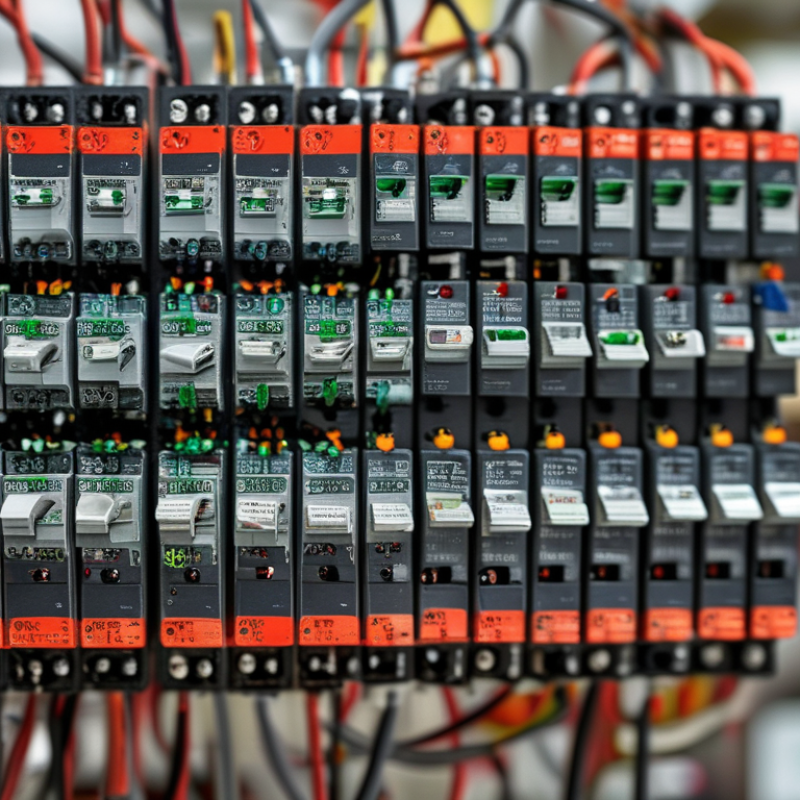
MCB automatic switches, or miniature circuit breakers, play a crucial role in electrical safety. They protect circuits by interrupting the flow of current during overloads or short circuits. These switches are designed to reset automatically after a fault is corrected, which is a convenient feature. Understanding their functionality can help you select the right one for your needs.
When choosing an MCB, consider the current rating and the number of poles. The current rating should match your circuit load. If your load fluctuates, select a device with a higher rating. You should also evaluate the trip characteristic. Types vary based on how fast they react to faults. For instance, type B is suitable for residential use, while type C suits commercial applications. Knowing these details is vital in your selection.
Remember, not all MCBs are created equal. Some may trip too easily, while others might be less sensitive. This can lead to frustration. Testing and evaluating an MCB's performance in your specific situation is wise. Every installation is unique, and what works for one setup may not suit another. Consider these factors as you explore your choices.
Factors to Consider When Selecting an MCB Automatic Switch
When selecting an MCB (Miniature Circuit Breaker) automatic switch, several factors come into play. Understanding the electrical load requirements is crucial. According to industry standards, the load rating must match or exceed the equipment it protects. Most residential circuits use MCBs rated from 6A to 32A. However, commercial setups might require higher ratings, sometimes up to 100A.
Another essential aspect is the breaking capacity. This indicates the maximum fault current the MCB can interrupt. A report by the International Electrotechnical Commission suggests that a breaking capacity of at least 6kA is preferred for residential usage. For industrial applications, this can increase depending on the setup's potential fault currents. Always check the specifications in detail, as a mismatch can lead to inadequate protection.
**Tip:** Consider the type of MCB. Type B MCBs are suitable for residential use, while Type C or D are often necessary for motor loads or equipment with high inrush currents.
Temperature is also a factor to consider. MCBs need specific ambient temperature limits to function efficiently. A higher temperature may cause the device to trip unnecessarily, which can be frustrating. Therefore, installation in a cool, dry place is advisable.
**Tip:** Regular inspections can help identify issues before they escalate. Schedule periodic checks to ensure your MCB operates as intended.
How to Choose the Best Mcb Automatic Switch for Your Needs?
| Factor |
Description |
Recommended Value |
| Voltage Rating |
The maximum voltage that the MCB can handle |
230V or 400V |
| Current Rating |
The maximum current the switch can protect |
6A to 63A |
| Number of Poles |
Determines how many circuits can be protected |
Single, Double, Triple, Quadruple |
| Tripping Characteristics |
The condition under which the MCB will trip |
B, C, D Curve |
| Breaking Capacity |
The ability to interrupt circuits during faults |
6kA to 10kA |
| Environmental Rating |
Resistance to environmental conditions |
IP20 to IP65 |
Types of MCB Automatic Switches and Their Applications
When it comes to MCB automatic switches, understanding their types and applications is essential for making the right choice.
Miniature Circuit Breakers, commonly referred to as MCBs, come in various types. Each type serves a specific purpose.
For instance, Type B MCBs are ideal for residential applications. They trip between 3 to 5 times the rated current. This makes them suitable for lighting circuits and general power use.
Type C MCBs, on the other hand, are suited for applications with motors and other inductive loads. They trip between 5 to 10 times the rated current. This is crucial for protecting equipment during inrush currents.
Industrial settings often use Type D MCBs. These can handle high current surges and are perfect for heavy machinery.
Selecting the wrong type of MCB can lead to issues. An overprotective MCB might frequently trip, causing inconvenience. Conversely, one that is too lenient may not protect adequately.
It’s also vital to consider the environment where the MCB will operate. Some environments may have higher humidity or dust levels, which can affect performance. Additionally, the installation process matters.
An improperly installed MCB may fail when needed most. Assessing the application and environment ultimately aids in making a better choice. Understanding these details enhances reliability in your electrical systems.
Evaluating the Electrical Ratings of MCB Automatic Switches
When selecting an MCB (Miniature Circuit Breaker) automatic switch, understanding electrical ratings is crucial. The electrical rating specifies the maximum current the MCB can handle without tripping. Ratings usually range from 1A to 125A. It’s essential to match the MCB rating with your electrical load. For instance, if your household requires 30A, choosing a 25A MCB can result in nuisance tripping. Many homes rely on MCBs rated between 10A and 63A.
The breaking capacity is another vital aspect to consider. This figure indicates the maximum fault current the MCB can safely interrupt. A common rating is 6 kA for typical residential use. However, commercial applications may need MCBs with breaking capacities of 10 kA or more. Selecting an MCB with an adequate breaking capacity is crucial, as underestimating this can lead to serious safety hazards.
Another important factor is the MCB’s trip curve. This curve impacts how quickly the breaker responds to a fault. There are several types such as B, C, and D curves, each tailored for different applications. A B curve is suitable for residential circuits with lower inrush currents. Conversely, a C curve suits equipment with high inrush currents. Understanding these specifications can help ensure you select the appropriate MCB for your needs, ensuring reliability and safety in your electrical installations.
Installation and Maintenance Tips for MCB Automatic Switches
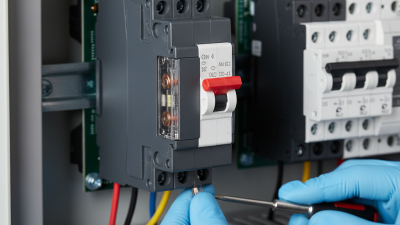
When it comes to installing MCB automatic switches, it's essential to follow proper guidelines to ensure safety and efficiency. Start by selecting the right location for installation. It should be easily accessible while avoiding areas prone to moisture or dust. Use appropriate tools like screwdrivers and pliers for installation. If unsure, consult a professional to ensure compliance with local regulations.
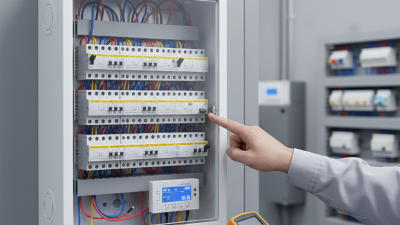
Regular maintenance can significantly extend the lifespan of your MCB automatic switch. Check connections periodically for signs of wear or overheating. Dust can accumulate, so clean the unit with a soft cloth. Inspect the MCB for any tripping issues and ensure it resets smoothly. Sometimes, people overlook these small details, leading to future complications. Document any issues for better tracking in maintenance logs.
Understanding the intricacies of MCB switches is crucial. Users often forget that these devices are sensitive to overloads and short circuits. Therefore, consider conducting regular performance tests. This practice may uncover underlying issues that need attention and improve overall system reliability. Remember, taking proactive steps can make a difference in performance and safety.
MCB Automatic Switch Types and Their Applications

 +86 13868429846
 Contact Phone
 Contact Email