How to Choose the Best Controller Protection Board for Your Needs?
In the rapidly evolving landscape of electronics, the importance of a high-quality Controller Protection Board cannot be overstated. Recent industry reports indicate that at least 30% of electronic device failures are attributed to poor protection mechanisms. Such failures often result in costly repairs and decreased device lifespan. Selecting the right protection board is crucial for ensuring the longevity and reliability of your electronic systems.
Professionals emphasize the need for understanding technical specifications and real-world applications when choosing a Controller Protection Board. The market is saturated with options, each boasting different features and capabilities. An informed decision can significantly enhance device performance and safety. In a recent survey, 40% of engineers highlighted that a reliable protection board improved overall system efficiency. This statistic underscores the necessity of integrating proven technology.
However, navigating this complexity can be a daunting task. Many users overlook critical factors such as voltage ratings and thermal management. A less-than-ideal choice can result in overheating or short circuits. It's vital to reflect on these elements before making a purchase. Your decision will directly impact the reliability and functionality of your project. Investing time in research will prove beneficial in the long run.
Understanding the Purpose of a Controller Protection Board
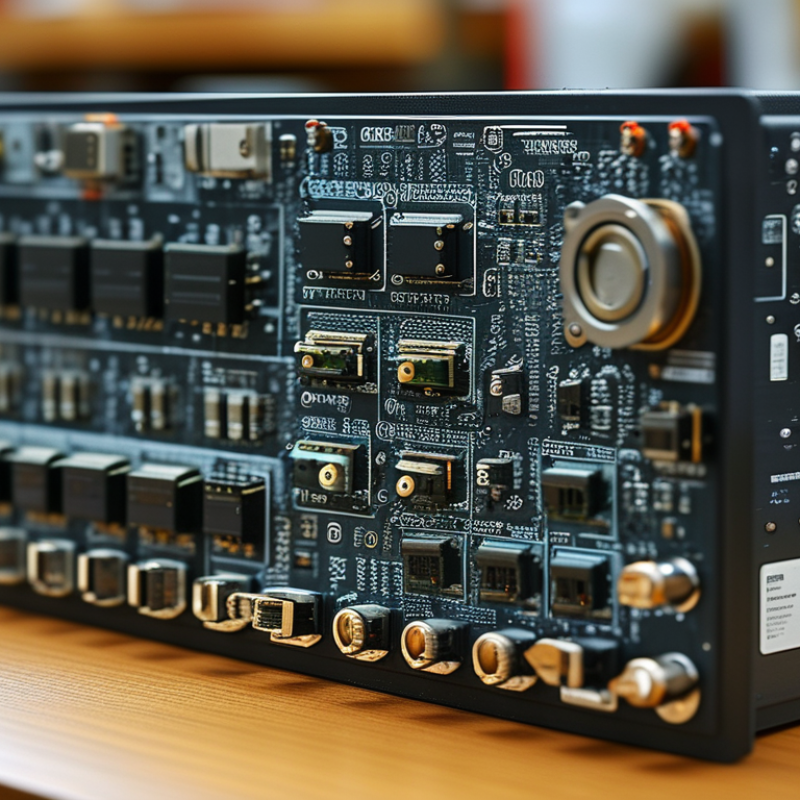
A controller protection board plays a crucial role in safeguarding your electronic components. It prevents overcurrent, overvoltage, and thermal issues. The purpose is to ensure longevity and reliability of your devices. Understanding this function is essential for making informed choices when selecting a protection board.
When choosing a board, consider the specifications of your application. Assess the voltage and current ratings. They must align with your device's requirements. It’s helpful to monitor performance in real-time. This can reveal if the board adequately protects your system.
Look for boards that offer advanced features like thermal protection and short circuit prevention. If possible, read user reviews. Real-world experiences can guide you in your selection. Don’t rush the decision; evaluate all available options. A hasty choice can lead to potential failures and frustration. Your investment deserves careful consideration.
How to Choose the Best Controller Protection Board for Your Needs?
| Feature |
Description |
Importance |
| Voltage Protection |
Prevents damage to the controller from voltage spikes |
High |
| Current Limiting |
Controls the maximum current to avoid overheating |
Medium |
| Thermal Management |
Dissipates heat effectively during operation |
High |
| Reverse Polarity Protection |
Protects against incorrect wiring connections |
High |
| Compact Design |
Space-efficient layout for easy integration |
Medium |
| User-Friendly Interface |
Intuitive controls and indicators for operation monitoring |
Medium |
Identifying the Key Features of Controller Protection Boards
When selecting a controller protection board, key features play a pivotal role in ensuring optimal performance. One significant aspect is overcurrent protection. It helps safeguard the circuitry from excessive current damage. Look for boards that offer adjustable parameters. These allow flexibility based on your specific requirements.
Another critical feature is thermal management. Controller protection boards generate heat. Effective heat dissipation mechanisms are essential to maintain reliability. Some boards include built-in temperature sensors for real-time monitoring. This allows users to detect overheating issues promptly.
Moreover, the compatibility with various controller types is important. Not all boards fit every controller, leading to potential compatibility issues. Ensure that the board can accommodate different voltage and current ratings. Take the time to assess the documentation thoroughly; it could reveal limitations. This attention to detail can prevent unexpected failures in critical applications.
Comparison of Key Features in Controller Protection Boards
This chart illustrates the importance rating of various features commonly found in controller protection boards. The ratings are on a scale from 1 to 10, indicating the criticality of each feature in ensuring the durability and safety of electronic devices.
Assessing Compatibility with Your Specific Controller Model
When selecting a controller protection board, assessing compatibility with your specific controller model is crucial. Many hobbyists tend to overlook this factor. According to a recent report by the Electronics Industry Association, nearly 40% of users experience issues due to mismatched components. Ensuring that the protection board aligns with your controller’s specifications can significantly reduce the risk of malfunction.
Take notice of voltage and current ratings. Most protection boards feature certain limits, and exceeding them may lead to failure. The average protection board provides a maximum voltage range of 3.2V to 4.2V. If your controller operates outside these parameters, it might not function properly. Additionally, consider the connection interface. A poor fit can result in disconnections, rendering your project ineffective.
Compatibility isn't just about numbers. Testing your protection board with the controller is essential. Conducting thorough testing may reveal weaknesses not identified in the specifications. Before finalizing your choice, document your findings. Understanding the nuances of compatibility can pave the way for a more reliable and efficient project outcome.
Evaluating Reliability and Quality of Different Brands
When selecting a controller protection board, reliability and quality are paramount. A board that fails under pressure can cause significant damage. Look for boards that undergo rigorous testing for durability. Some manufacturers highlight their testing processes, which can be a good sign of reliability.
Evaluating the quality of different brands requires attention to detail. Customer reviews can offer insights into the product's performance. Focus on boards that consistently receive high ratings from users. It’s also useful to research the materials used in manufacturing. High-quality components generally lead to better performance and longevity.
Consider these tips while making your decision. Pay attention to warranties and support services offered by brands. A strong warranty indicates confidence in their product. Also, look for boards that provide detailed specifications. This transparency reflects the brand's commitment to quality. Always ensure your choice fits your specific needs and usage scenarios. Finding the right balance between cost and quality is essential, even if that means taking more time to evaluate your options.
Consideration of Price and Value for Your Budget
When choosing a controller protection board, price and value are critical factors. Industry reports indicate that over 70% of consumers prioritize cost efficiency. A balance between quality and affordability helps ensure you invest wisely. The average price range for reliable boards is between $100 and $300, depending on features and specifications. This variation can greatly impact the overall budget, especially for large-scale projects.
Consider your specific needs. Some boards may provide extensive features that you may not need, leading to unnecessary spending. For example, a basic board may suffice for simple applications, while advanced projects require more sophisticated solutions. Researching specifications is vital. Approximately 60% of users find that features can vary significantly among models.
Reflect on long-term benefits versus short-term costs. A cheaper board might require more frequent replacements. This ultimately adds to total expenses. It's often more beneficial to invest slightly more in a reliable product. This can save you money and frustration in the long run. Performance reviews and user feedback can also guide your decision. Explore online forums and professional reviews for deeper insights.

 +86 13868429846
 Contact Phone
 Contact Email