What is Mcb Mini Circuit Breaker and How Does It Work?
In today's increasingly electrified world, understanding the Mcb Mini Circuit Breaker is vital. According to electrical engineer John Smith, “The Mcb Mini Circuit Breaker is essential for safeguarding electrical circuits.” This device automatically shuts off power when it detects faults. Its role in protecting homes and businesses cannot be overstated.
An Mcb Mini Circuit Breaker is designed to prevent overload and circuit faults. It ensures safety and reduces fire risks associated with electrical failures. With its compact design, the Mcb Mini Circuit Breaker fits easily into electrical panels. However, not all businesses understand how to select the right model. This can lead to inadequate protection or unnecessary costs.
Experts emphasize the importance of installation by qualified professionals. Incorrect installation can compromise safety and effectiveness. Over time, an Mcb Mini Circuit Breaker may wear out, requiring periodic checks. Understanding its functionality is crucial for both safety and performance. Awareness helps consumers make informed choices in the electrical market.
Understanding the Basics of Mini Circuit Breakers (MCB)
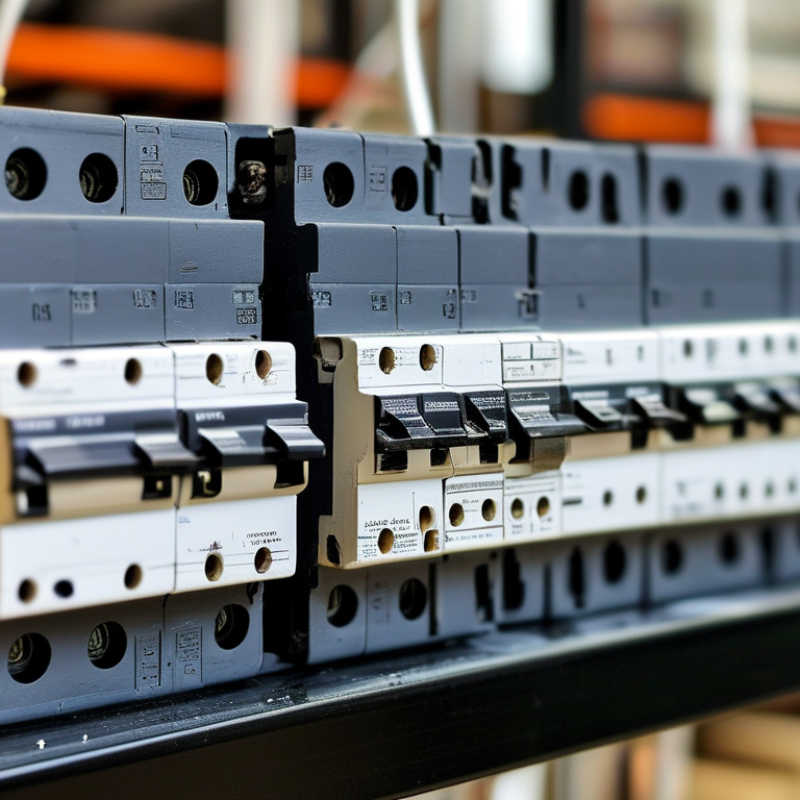
Mini Circuit Breakers (MCBs) are essential components in electrical systems. They protect circuits from overloads and short circuits. When excessive current flows, an MCB automatically trips. This action prevents damage to wiring and connected devices. The design of an MCB allows for quick response times, ensuring safety in homes and businesses.
Understanding how MCBs function involves recognizing two key mechanisms: thermal and magnetic. The thermal mechanism operates with a bimetallic strip that bends when heated by current. This bending trips the switch after a delay. The magnetic mechanism uses an electromagnet to trip faster during a short circuit event. These features help MCBs balance responsiveness and safety.
While MCBs are reliable, they can sometimes be overly sensitive. They may trip due to minor surges, causing inconvenience. Regular maintenance can help minimize such issues. Additionally, understanding the specifications of the MCB is crucial. Choosing the right type for specific applications ensures optimal performance. Awareness and knowledge lead to better management of electrical safety in any environment.
The Functionality of Mini Circuit Breakers in Electrical Systems
Mini circuit breakers (Mcb) play a critical role in modern electrical systems. They protect circuits from overloads and short circuits, thus preventing potential hazards. When a fault occurs, the Mcb will trip, stopping the current flow almost instantly. This reaction time is vital for safeguarding both equipment and human life.
Understanding the functionality of mini circuit breakers helps ensure safe electrical installations. Each Mcb consists of a switching mechanism and a trip unit. The trip unit senses excessive current and activates the switch, disconnecting the power. In daily use, these units can be reset after a fault, which is convenient. However, the reasons for tripping could vary, so regular maintenance is essential.
While Mcbs offer great reliability, they are not foolproof. Sometimes, they may trip even with normal current flow, which can be frustrating. Identifying the source of these nuisance trips is important. Users should also be aware of their circuit load. An overloaded circuit can lead to frequent tripping, exposing the need for adjustments. It’s crucial to understand your electrical demands for optimal performance.
Key Components of a Mini Circuit Breaker Explained
Mini Circuit Breakers (MCBs) play a crucial role in electrical systems. Understanding their key components is vital for safety and efficiency. The main parts of an MCB include the operating mechanism, bimetallic strip, and electromagnetic trip mechanism. Each component has a specific function that contributes to the breaker's overall operation.
The operating mechanism allows for the manual control of the circuit. The bimetallic strip reacts to heat generated by overload currents, bending to trip the circuit. The electromagnetic trip mechanism responds quickly to short circuits, ensuring immediate protection. According to industry reports, MCBs can reduce electrical fires by up to 70%. This statistic underscores the importance of having reliable circuit protection.
Despite their effectiveness, MCBs require regular inspection. More frequent tripping might indicate underlying electrical issues. This could lead to system inefficiency or damage if unaddressed. Understanding these components enables users to maintain safer electrical environments and adhere to safety standards. Regular assessments can prevent costly repairs and ensure long-term reliability.
What is Mcb Mini Circuit Breaker and How Does It Work? - Key Components of a Mini Circuit Breaker Explained
| Component |
Description |
Function |
Material |
| Switching Mechanism |
Controls the opening and closing of the circuit. |
Engages or disengages the electrical circuit. |
Plastic and metal components. |
| Bimetallic Strip |
A strip made of two different metals that expand at different rates. |
Opens the circuit when overheating occurs. |
Copper and aluminum. |
| Electromagnet |
Generates a magnetic field when current flows through it. |
Closes the circuit under normal conditions and opens when excessive current flows. |
Copper wire and iron core. |
| Arc Extinguishing Chamber |
Contains mechanisms to quench the electric arc created during disconnection. |
Prevents electrical fires and damage during fault conditions. |
Insulating materials and metal contacts. |
| Test Button |
Allows for testing the functionality of the circuit breaker. |
Ensures that the circuit breaker operates correctly. |
Plastic. |
The Advantages of Using MCBs over Traditional Fuses
Mini Circuit Breakers (MCBs) offer distinct advantages over traditional fuses. They are designed to automatically cut off electricity when a fault occurs, providing enhanced safety. Unlike fuses, which need manual replacement after blowing, MCBs can be reset easily. This feature saves time and reduces inconvenience.
MCBs also provide more precise protection. They can quickly respond to overloads and short circuits. This quick action minimizes damage to electrical appliances. In many cases, MCBs help to prevent fires caused by electrical faults. Their reliability is evident in both residential and commercial settings.
However, MCBs can be sensitive, occasionally tripping due to transient currents or electrical surges. This might require users to reset them frequently. In some cases, homeowners may feel unsure about selecting the right MCB. Proper guidance is essential for choosing an MCB that suits individual needs. Overall, MCBs present a modern solution in electrical safety that outweighs the benefits of traditional fuses.
Advantages of MCBs over Traditional Fuses
Common Applications and Installation Practices for MCBs
Mini Circuit Breakers (MCBs) are essential in modern electrical installations. They protect circuits from overloads and short circuits. Their compact design allows them to fit into standard distribution boards. This makes them easy to install in residential and commercial settings.
Common applications for MCBs include homes, offices, and industrial plants. They are used to safeguard lighting, power outlets, and machinery. MCBs are particularly effective in environments where safety is a priority. In residential installations, MCBs can prevent electrical fires caused by overloaded circuits. Their quick response ensures minimal damage during electrical faults.
Installation practices are vital for the performance of MCBs. Proper sizing based on the load is critical. Electricians often assess the total current draw before installation. Faulty installations can lead to nuisance tripping or insufficient protection. Regular maintenance checks are also essential. This helps ensure that the MCB operates effectively during emergencies. While the technology is reliable, user understanding is key to maximizing safety.

 +86 13868429846
 Contact Phone
 Contact Email