Three Voltage Protector Tips for Global Buyers to Consider
In today's world, electrical equipment faces various threats from unstable voltage levels. This uncertainty creates a pressing need for reliable solutions. Enter the "Three Voltage Protector," a crucial device that can enhance the safety and longevity of your electrical systems. Choosing the right voltage protector requires careful consideration.
Global buyers often overlook essential factors that can impact their purchase. This article aims to highlight three critical tips when selecting your voltage protector. Understanding power fluctuations in different regions is vital. Knowledge of local electrical conditions can help you choose effectively.
Experience shows that not all voltage protectors are created equal. Certain brands may promise protection but lack essential features. This reflection serves as a reminder to critically evaluate your options before making a decision. Prioritizing quality ensures optimal protection for your equipment, reducing the risk of costly damages.

Understanding Voltage Protectors: Key Concepts for Global Buyers
Voltage protectors play a crucial role in safeguarding electrical appliances from unpredictable power surges. Understanding how these devices function is essential for global buyers. First, be aware of the voltage range you need to protect against. Different regions have different voltage standards. Not all voltage protectors accommodate every specification. Choose wisely to ensure device compatibility.
When selecting a voltage protector, examine its response time. A fast response time minimizes the risk of damage to your equipment. Some devices claim ultra-fast protection but fail in real-world situations. This discrepancy can lead to costly repairs. Investigate customer reviews to gain insight into their performance.
Additionally, consider the capacity of the protector. High-capacity units can handle more appliances simultaneously. However, they may not be necessary for smaller setups. Many buyers overlook this aspect, leading to overpaying for features they don't need. Proper research can help pinpoint the right fit for your unique situation.
Voltage Protector Performance Comparison
Types of Voltage Protectors: Choosing the Right Option for Your Needs
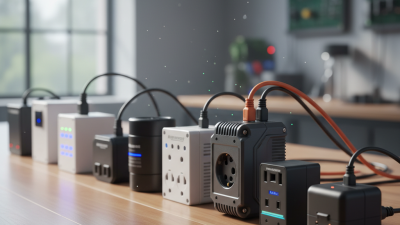
When selecting voltage protectors, understanding your specific needs is crucial. Voltage protectors come in various types, including surge protectors, voltage regulators, and uninterruptible power supplies (UPS). Each type addresses different electrical challenges. A surge protector shields against sudden voltage spikes. It absorbs excess voltage, preventing damage to connected devices. Studies show that 62% of electrical damage comes from voltage spikes, making surge protectors essential for safeguarding equipment.
Voltage regulators maintain a constant voltage level despite fluctuations. They are beneficial in areas with inconsistent power supply. The International Electrotechnical Commission reports that voltage irregularities can reduce equipment lifespan by up to 50%. Uninterruptible power supplies provide backup power during outages. They allow devices to continue operating, ensuring data protection and preventing downtime.
As you navigate options, reflect on your typical voltage usage. Evaluate the power stability in your area. Not all homes or businesses need the same protection. It's vital to rethink assumptions about voltage needs to ensure you choose the right guardian for your electrical setup.
Evaluating Specifications: What to Look for in Voltage Protection Devices
When evaluating voltage protection devices, understanding specifications is crucial for global buyers. The standards you consider can significantly impact device performance and longevity. According to a report by the International Electrotechnical Commission (IEC), nearly 85% of electrical equipment failures stem from voltage-related issues. Hence, selecting the right voltage protector should not be taken lightly.
Key specifications to assess include the voltage rating and response time. Voltage ratings indicate the maximum levels a device can handle before failure. Response time measures how quickly the device reacts to voltage spikes. A device with a faster response time can minimize damage during fluctuations. Reports suggest that devices with a 1 millisecond or faster response time can drastically reduce equipment loss.
Tip: Always check the surge current rating. It determines how much energy the device can absorb. A higher surge current rating often correlates with better protection. Additionally, look for certifications from recognized organizations. These certifications affirm product reliability and performance standards. Many buyers overlook this, which can lead to costly mistakes down the road.
Installation Tips: Best Practices for Effective Voltage Protection Setup
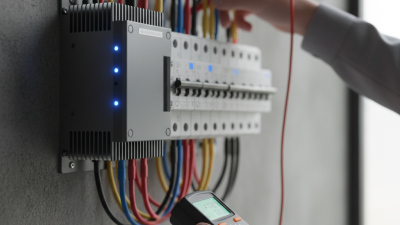
When setting up voltage protection, installation is crucial. A solid foundation ensures optimal performance. Begin by assessing your power conditions. Identify voltage variations and the specific needs of your equipment. A simple voltage monitor can provide valuable insights. These preliminary steps prevent future complications.
Next, pay attention to the grounding process. Many overlook this critical aspect. Ensure proper grounding according to local regulations. Improper grounding can lead to equipment damage. Invest time in this stage. It pays off in the long run.
Placement of the voltage protector matters too. Position it close to the electrical panel. This minimizes line loss and enhances protection efficiency. Avoid tight spaces; good airflow is essential. Lastly, test the setup regularly. Regular checks can catch issues before they escalate. Embrace these practices to achieve lasting protection.
Three Voltage Protector Tips for Global Buyers to Consider - Installation Tips: Best Practices for Effective Voltage Protection Setup
| Tip |
Description |
Best Practices |
Considerations |
| Select the Right Voltage Protector |
Choose a voltage protector that matches the specific electrical standards and voltage levels of your region. |
Research local voltage specs and ensure compatibility. |
Check if the voltage protector comes with international certifications. |
| Follow Manufacturer's Installation Guidelines |
Adhere to the installation instructions provided by the manufacturer for optimal performance. |
Read the manual thoroughly before installation. |
Consider hiring a licensed electrician if unsure about the installation process. |
| Regular Maintenance and Testing |
Routine checks and testing of voltage protectors ensure they are functioning correctly and effectively. |
Schedule regular maintenance every six months. |
Document results of each maintenance session for future reference. |
Maintaining Voltage Protectors: Ensuring Longevity and Reliability
Maintaining voltage protectors is essential for ensuring their longevity and reliability. Regular inspections can help identify potential issues. A report from the International Electrotechnical Commission highlights that nearly 30% of voltage protection failures are due to neglect. This statistic underlines the importance of routine maintenance.
Proper cleaning and monitoring significantly extend the life of voltage protectors. Dust accumulation can lead to overheating. Additionally, ensuring connections are tight can prevent arcing, which is a common problem in many setups. According to a study by the National Electrical Manufacturers Association, proper installation and regular checks can boost efficiency by up to 25%.
Many overlook the impact of environmental factors. Humidity and temperature fluctuations can affect performance. Documenting conditions and any changes made can aid future assessments. One challenge is addressing misinformation about voltage protector capabilities. Understanding their limitations is crucial for effective usage. Regular training sessions can ensure users remain informed.

 +86 13868429846
 Contact Phone
 Contact Email