Top 10 MCB Circuit Breaker Manufacturers in the World
Selecting a miniature circuit breaker is a practical decision, not just a matter of comparing brand names. A Mcb Circuit Breaker must respond reliably to overloads and short circuits while fitting the panel, wiring, and intended application. Small details count: rated current, breaking capacity, pole configuration, and compatibility with the installation can all affect a product’s suitability.
This guide introduces 10 prominent MCB manufacturers worldwide and offers a starting point for comparing their product ranges. It considers factors buyers can verify, including technical documentation, available ratings, quality systems, global support, and experience across residential, commercial, or industrial applications. Look closely. A well-known name alone does not confirm that a particular model meets your project’s needs. Check its specifications against the system design, and consult a qualified electrical professional where selection or installation requires specialist judgment.
Manufacturers differ in more than price. Some offer broad catalogs and extensive distribution; others may suit a particular market or application better. That distinction can be easy to miss when product pages use similar language. The list is a useful reference, not a universal ranking, and availability can vary by region. Even strong manufacturers have products that are not interchangeable. Treat the comparison as a first step, then verify current technical data and local support before making a purchase. There is no perfect shortcut. A careful review can prevent an impressive-looking specification from becoming the wrong choice in the field.
Understanding MCB Circuit Breakers and Their Role
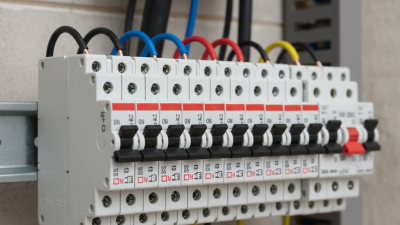
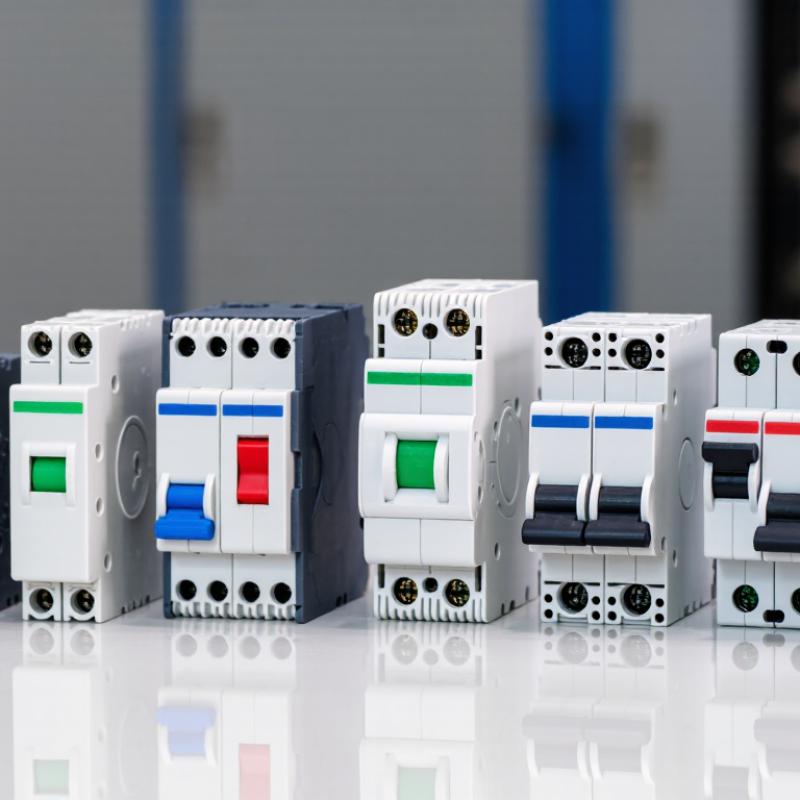
An MCB, or miniature circuit breaker, interrupts current when a circuit is overloaded or short-circuited. In a home distribution board, it may trip when a kettle and heater draw more current than the wiring can safely carry. Many MCBs use thermal and magnetic mechanisms: one responds to sustained overload, the other to a sharp fault current. The circuit can usually be restored after the fault is checked. That is convenient, but resetting a breaker without finding the cause is not a repair.
IEC 60898-1 sets requirements for circuit breakers used in household and similar installations. It covers devices rated up to 125 A and short-circuit capacity up to 25 kA, within the standard’s stated voltage limits. NFPA’s Home Structure Fires report estimated that electrical distribution or lighting equipment was involved in 31,647 U.S. home structure fires per year from 2015 to 2019. This figure does not show how many fires an MCB could prevent. It does underline why correctly sized protection and sound wiring matter. An MCB does not detect every shock hazard or faulty connection. That distinction matters. A loose terminal can still heat up behind a closed panel, so periodic inspection remains important.
How to Assess MCB Manufacturers Around the World
Assessing an MCB manufacturer starts with evidence, not a polished catalogue. Check whether the exact product series is tested to IEC 60898-1, and request test reports showing rated current, breaking capacity, and trip characteristics. Match those values to the intended circuit; a familiar-looking curve is not enough. Ask how production batches are traced and how design changes are controlled. Small details matter.
Capacity and service deserve equal attention. The International Energy Agency’s Renewables 2024 report forecasts nearly 5,500 GW of new renewable power capacity worldwide between 2024 and 2030. That forecast is not an MCB market statistic, but it points to expanding electrical infrastructure and varied installation conditions. Ask manufacturers how their devices perform across specified temperatures, and whether test data supports those claims. Request sample units and compare markings, terminal construction, and documentation against the delivered batch.
Factory audits, failure records, and access to technical support can reveal gaps that certificates alone may miss. Paperwork matters. So does what happens after a fault. Compare warranty terms and response times, and ask for references from similar applications. No checklist is perfect; independent verification takes time, and even careful buyers can overlook a weak point.
Top 10 MCB Circuit Breaker Manufacturers Worldwide
Choosing among the top 10 MCB circuit breaker manufacturers worldwide takes more than comparing catalogue prices.
Buyers should check product ratings, documented test results, and consistency between production batches. A compact breaker may look simple, but its internal contacts and trip mechanism must respond predictably under fault conditions.
Details matter.
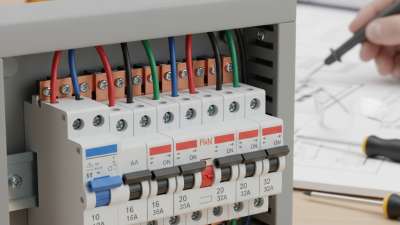
Compare rated current, pole configuration, breaking capacity, and trip curves against the actual installation. A curve suited to lighting circuits may not suit equipment with high starting currents. Ask for clear technical documents and confirm that test conditions match the intended use. A neat catalogue can still leave important questions unanswered.
Not always obvious.
Manufacturing quality also depends on repeatable assembly, incoming-material checks, and traceable inspection records. When reviewing suppliers, request sample units and examine terminal strength, label clarity, and fit on a standard mounting rail. These checks cannot replace independent testing, but they may reveal practical issues early.
I would not treat a low price as proof of poor quality, or a polished presentation as proof of reliability. Technical support, delivery consistency, and the ability to explain product limitations deserve equal attention. A manufacturer that answers specific questions plainly can make evaluation easier, though no supplier should be assumed suitable for every project.
Comparing Product Ranges, Standards, and Strengths
Comparing ten MCB manufacturers is more useful when product coverage is examined alongside standards and application. Most ranges include single-, double-, three-, and four-pole devices, but available current ratings and breaking capacities vary. Some lines focus on compact units for lighting and socket circuits; others offer broader choices for commercial distribution boards. Details matter. B-, C-, and D-curve devices respond differently to inrush current, so matching the curve to the load is essential.
Standards help frame a fair comparison. IEC 60898-1 generally applies to circuit-breakers used in household and similar installations, while IEC 60947-2 covers low-voltage circuit-breakers in wider industrial settings. A standards reference alone does not make two products equivalent. Check rated voltage, short-circuit breaking capacity, terminal limits, and installation conditions in the technical documentation. Certification and test evidence also deserve review.
Strengths often appear in practical details: clear trip indicators, accessible wiring terminals, consistent accessories, and reliable coordination with upstream protection. A high breaking-capacity figure may be valuable, but only when it suits the prospective fault current at the installation point. One common comparison gap is selectivity; a breaker may protect its circuit yet trip with an upstream device. Product tables can look neat. Real boards are messier. Even a careful shortlist can miss a site-specific constraint, so verify the manufacturer’s data against the actual design.
Selecting an MCB Manufacturer for Your Application
Selecting an MCB manufacturer starts with the circuit, not the catalogue. Record the system voltage, expected current, number of poles, and available fault current. Match the breaker’s trip curve to the load; motors and lighting circuits may behave differently during startup. Check the enclosure size and the expected temperature around the panel, too. Small details matter.
A capable manufacturer should provide clear ratings, product data, and test documentation for the exact model under consideration. Ask how production batches are checked and whether replacement units remain consistent over time. Ask direct questions. If an answer is vague, request a specific document or rating rather than relying on a sales claim. Confirm technical support can help resolve selection questions before installation, not only after delivery.
Price matters, but it cannot show whether a breaker suits a demanding application. Compare lead times, available configurations, traceability, and after-sales support alongside cost. A common oversight is choosing by rated current alone; fault conditions and the connected load deserve equal attention. There is no perfect shortlist. A manufacturer may offer strong documentation but limited stock, or broad availability but fewer technical resources. Note those trade-offs and verify the details against the installation requirements.

 +86 13868429846
 Contact Phone
 Contact Email