Top Motor Protection Controller Features You Should Know?
Understanding the essential features of a Motor Protection Controller can greatly enhance operational efficiency. Renowned expert in industrial automation, Dr. James Carter, states, "A robust Motor Protection Controller is vital for the longevity of electric motors." This quote underscores the importance of selecting the right controller for various applications.
Modern Motor Protection Controllers provide advanced functionalities such as thermal overload protection and phase failure detection. These features help prevent costly downtime and equipment failure. Selecting a controller with these capabilities can significantly reduce maintenance costs over time. However, not all controllers are created equal. Some may lack critical features, which can lead to frequent failures.
It’s crucial for companies to evaluate their specific needs. Understanding the differences among various models is key. Ignoring these considerations can result in suboptimal performance and increased risks. Investing in a quality Motor Protection Controller ultimately enhances reliability and safety. Reflecting on these elements will ensure that organizations make informed decisions.
Key Functions of Motor Protection Controllers
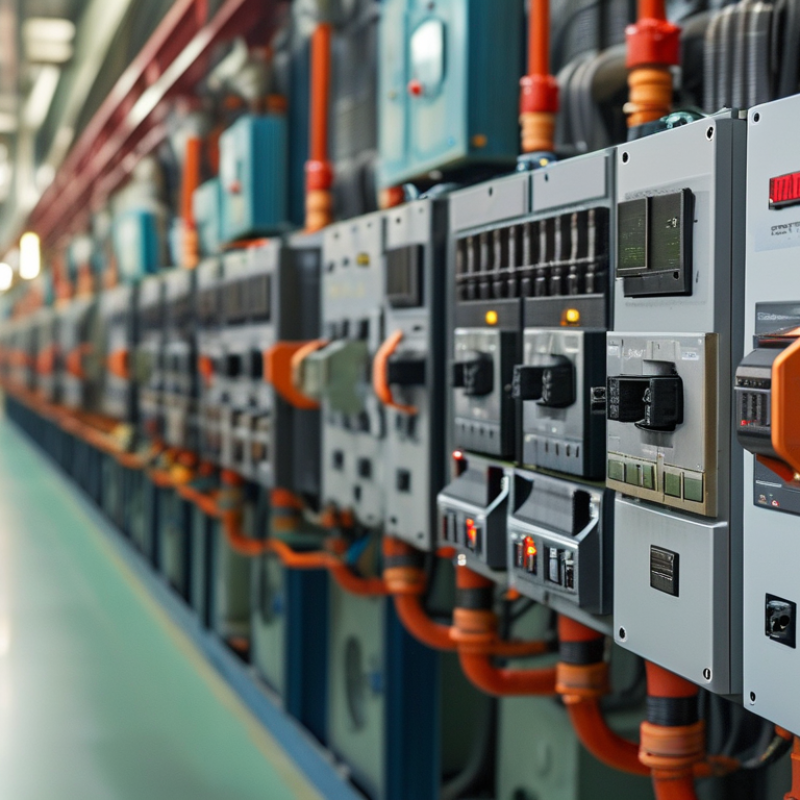
Motor protection controllers serve a vital role in ensuring the reliability and efficiency of electric motors. A key function is overload protection. This feature prevents motors from drawing excessive current, which can lead to overheating and potential failure. Without it, motors may suffer irreversible damage. The controller monitors the current and trips the motor when it exceeds predefined limits.
Another important aspect is short-circuit protection. This function detects sudden increases in current, signaling a short circuit. It shuts down the motor to prevent catastrophic damage. Additionally, thermal protection is essential. It measures the motor's temperature, allowing for immediate action if it rises too high. Proper calibration is critical. Inaccurate settings can lead to false alarms or, worse, motor damage.
Another compelling feature is phase failure detection. It identifies any phase imbalances that could harm motor operation. Monitoring functions should be integrated for top performance. They provide real-time data about motor health, but let’s be honest, these systems can be complex to interpret. Proper training is necessary; without it, even the best technology can falter in effectiveness.
This bar chart illustrates the key features of motor protection controllers and their importance measured in percentage effectiveness. Each feature represents a critical aspect of motor protection systems.
Types of Motor Protection Features Explained
Motor protection controllers are essential in safeguarding motors against various risks. Different types of features enhance their reliability. One crucial feature is overload protection. This prevents motors from drawing excessive current, which can lead to overheating. Maintaining optimal current levels ensures the motor operates safely and efficiently, extending its lifespan.
Another significant feature is under-voltage protection. When supply voltage drops, motors can stall or operate inefficiently. This feature detects voltage drops and disconnects the motor, protecting both the motor and connected equipment from damage. Surge protection is also vital. Sudden surges in electrical voltage can cause severe harm. A robust controller mitigates these spikes, keeping the motor safe from unexpected electrical anomalies.
Not all controllers include every feature. Users should evaluate their specific needs. Some may prioritize thermal overload protection over other functionalities, while others might focus on simple on/off capabilities. It's essential to understand the trade-offs. Choosing a motor protection controller requires a balance between features and specific applications. Regularly reviewing motor performance can highlight areas for improvement in protection strategies.
Benefits of Implementing Motor Protection Controllers
Motor protection controllers (MPCs) play a crucial role in ensuring the efficiency and longevity of industrial motors. They safeguard against common issues such as overloads, short circuits, and phase failures. According to recent industry reports, facilities that implement motor protection controllers can reduce downtime by up to 30%. This not only decreases operational costs but also prolongs motor life.
The benefits of deploying these controllers extend to energy efficiency. Data shows that motors consume nearly 70% of the total electricity in industrial settings. By utilizing MPCs, companies can monitor performance in real time. This enables timely interventions that optimize energy usage and mitigate waste. In fact, studies indicate that proper motor management can lead to energy savings of 15% or more annually.
Despite their advantages, some organizations are hesitant to adopt motor protection controllers. Concerns about the initial investment and potential operational disruptions can be barriers. Yet, the absence of these systems can lead to catastrophic failures and expensive repairs. Acknowledging the need for a shift is essential. Companies must weigh the risks of inaction against the proactive benefits of embracing modern motor protection solutions.
Considerations for Choosing a Motor Protection Controller
When selecting a motor protection controller, several key considerations come into play. The efficiency of motor protection systems is critical. According to a report by the International Electrotechnical Commission (IEC), up to 30% of motor failures can be attributed to inadequate protection. Therefore, identifying controllers that provide essential features like overload detection and short circuit protection is vital.
Cost is another significant factor. A comprehensive industry survey revealed that more than 50% of businesses consider cost as their primary decision-making criterion. While affordable options exist, skipping on quality features may lead to expensive downtime later. It is important to evaluate the long-term savings of investing in a reliable motor protection controller.
User interface and ease of integration are also worth noting. A complex user interface can impede workflows. A study by the Institute of Electrical and Electronics Engineers (IEEE) indicated that unclear interfaces can increase operational errors by up to 25%. Prioritizing controllers that offer straightforward configuration can save time and enhance safety in the long run.
Common Applications of Motor Protection Controllers
Motor protection controllers are essential in various applications, safeguarding electric motors from a range of potential issues. They are widely used in industrial automation, conveyor systems, and HVAC equipment. These controllers monitor motor performance, detect faults, and prevent damage, thereby ensuring smooth operations.
In manufacturing plants, motor protection controllers play a critical role. They help reduce downtime by quickly identifying overloads, short circuits, and phase loss. Without these controllers, machinery can suffer severe wear and tear, leading to costly repairs.
In HVAC systems, they ensure fan motors operate efficiently, even under challenging conditions. Common issues like overheating can often go unnoticed, leading to malfunction. These controllers provide a safety net by providing real-time monitoring and alerts.
However, relying solely on technology may neglect the need for regular maintenance checks. Operators should remain vigilant, balancing technology with hands-on inspections to enhance reliability.

 +86 13868429846
 Contact Phone
 Contact Email