Why Do You Need a Three Phase Voltage Protector?
A three-phase system quietly powers equipment that cannot afford an unstable supply. Think of a workshop motor starting under load, a pump running overnight, or a compressor cycling during a hot afternoon. If one phase rises, falls, or disappears, connected equipment may overheat, stop, or suffer damage. A Three Voltage Protector monitors the three-phase supply and can disconnect equipment when voltage conditions exceed its configured limits. It gives operators a chance to respond before a small electrical fault becomes an expensive repair. It is protection, not a cure.
The right device depends on the installation. Check the system voltage, current rating, response settings, and the equipment maker’s requirements. A protector also needs correct installation and periodic testing; a box on a panel is not proof that protection works. A practical detail: record normal readings, then compare them after an alarm or unexpected shutdown. That simple log can help identify recurring phase imbalance or supply problems. No device removes every risk, and settings chosen without technical review can create nuisance trips or leave equipment exposed.
A quotation should not be invented or attributed without confirmation. A proposed line for power-quality specialist Dr. Alexander E. Emanuel to review—not a verified quotation—is: “Voltage protection works best when its settings match the equipment and the real supply conditions.” That distinction matters. Before choosing a Three Voltage Protector, have a qualified professional assess the load, wiring, and site conditions. And revisit the decision when equipment changes. One detail may have been missed.

Three-Phase Power Systems and Their Voltage Conditions
Three-phase power uses three alternating voltages, typically separated by 120 degrees. In a balanced system, each phase carries a similar load, and voltage readings remain close to the equipment’s rated values. Real installations are rarely textbook-perfect. A large motor starting, a loose connection, or uneven loads can create voltage imbalance. Small differences matter.
Low voltage can make motors draw more current and run hotter. Sustained overvoltage can stress insulation and shorten component life. A brief surge differs from a longer voltage rise, so duration and severity both matter. At a workshop panel, for example, one overloaded phase may cause a motor to hum, vibrate, or lose torque. That detail is easy to overlook.
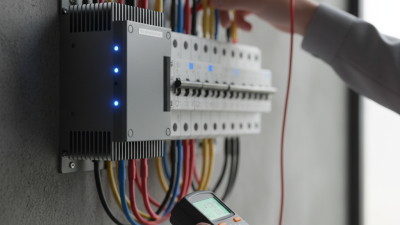
A three-phase voltage protector monitors conditions such as phase loss, incorrect phase sequence, imbalance, and voltage outside set limits. If a fault appears, it can signal a control circuit to disconnect equipment before damage spreads. Settings should match the supply and the connected load; one threshold does not suit every machine. Readings also depend on where and how they are measured. A protector is not a substitute for sound wiring, proper grounding, or correctly sized overcurrent protection, and installation should be checked by a qualified electrician.
Why Do You Need a Three-Phase Voltage Protector?
Three-Phase Power Systems and Their Voltage Conditions
A three-phase voltage protector monitors the supply and can disconnect equipment when voltage conditions exceed its configured limits. This helps guard against undervoltage, overvoltage, phase imbalance, and phase loss. The chart uses a 400 V nominal system and illustrative readings; the example 360–440 V range represents ±10% and is not a universal protection setting. Set limits according to the equipment and applicable electrical requirements.
Values shown are illustrative examples, not field measurements.
Common Voltage Faults in Three-Phase Networks
Common voltage faults in three-phase networks often begin quietly. One phase may sag under a heavy load, a fuse may fail, or loose connections may create voltage unbalance. Motors can then run hotter, vibrate, and lose efficiency. The National Electrical Manufacturers Association’s MG 1 standard advises keeping voltage unbalance at motor terminals to 1% or less; greater imbalance can require motor derating. That limit matters in workshops where a pump sounds normal but its casing grows unusually warm. Small faults can hide.
Voltage sags and swells create another risk. IEEE 1159 classifies a sag as a reduction to 0.1–0.9 per unit lasting from half a cycle to one minute; a swell is a temporary rise. Even brief events may interrupt contactors, drives, or control circuits. A three-phase voltage protector can monitor phase loss, imbalance, and abnormal voltage, then disconnect equipment when settings are exceeded. Its response depends on correct thresholds and installation, though. Protection cannot repair a loose terminal or poor supply. That part is easy to overlook.
How a Three-Phase Voltage Protector Detects and Responds
A three-phase voltage protector watches all three supply lines, not just the average voltage. Its sensing circuit checks each phase for overvoltage, undervoltage, phase loss, reversal, and imbalance. A display may show normal voltage, while one phase feeding a motor is already falling. Small changes matter.
IEEE Std 1159-2019 defines short-duration voltage sags as drops to 0.1–0.9 per unit. They can last from half a cycle to one minute. The protector compares measured voltage with its set limits and monitors how long an abnormal condition persists. This delay helps avoid trips from brief disturbances, though a poorly chosen setting can leave equipment exposed.
NEMA MG 1 identifies 1% voltage unbalance as a threshold beyond which motor derating is needed.
When a fault remains, the protector’s output relay signals a contactor to disconnect the load. It does not usually carry the motor’s full current itself. After voltage returns, a reset delay can prevent an immediate restart while the supply stabilizes. That pause matters. Technicians should check phase readings and settings against the equipment’s nameplate and operating conditions; the correct limits are not always obvious. A protector reduces risk, but it cannot repair a damaged supply or a loose connection.
Equipment and Systems That Benefit from Voltage Protection
Three-phase voltage protection is useful wherever motors and controls depend on steady supply conditions. Pumps, compressors, refrigeration units, and HVAC systems can stop or overheat when a phase is lost or voltage moves outside acceptable limits. A protector can detect undervoltage, overvoltage, phase loss, and phase imbalance, then signal a shutdown before damage spreads. The U.S. Department of Energy’s 2014 report, Improving Motor and Drive System Performance, says motor-driven systems account for about 68% of electricity use in U.S. manufacturing. That figure helps explain why protecting motor-heavy production lines matters.
CNC machines, elevators, water-treatment pumps, and building chillers also benefit. A phase imbalance may cause a motor to run hotter, even when it still sounds normal. Subtle, but costly. The International Energy Agency’s 2011 report on motor-driven systems estimates they use 46% of global electricity, showing how widely these loads are deployed. Protection is not a cure-all. It cannot correct every surge, wiring fault, or poor installation. Trip settings must match the equipment and site conditions; otherwise, brief disturbances may trigger needless shutdowns. That part deserves a second look. A qualified technician can check the supply, protection settings, and restart sequence together.
Key Factors in Selecting and Installing a Protector
Selecting a three-phase voltage protector starts with the supply and the equipment it must guard. Confirm the system’s nominal voltage, frequency, and rated current from the panel and motor nameplate. Check whether the protector detects phase loss, incorrect phase sequence, voltage imbalance, and over- or undervoltage. A pump may tolerate a brief dip differently from a compressor, so trip limits and restart delays should suit the load. Choose a device rated for the circuit and enclosure conditions, not merely one that looks similar. Small details matter. Record the settings; memory is not a reliable specification.
Installation should follow the device instructions and the site wiring diagram. A qualified electrician should verify sensing connections, control-circuit compatibility, and upstream overcurrent protection before energizing the panel. Keep control wiring separate from noisy power conductors where practical, and label settings for future checks. After installation, test the protector using approved procedures and confirm that it responds to faults as intended.
Do not create live faults by swapping phases or loosening terminals. Not worth the risk.
Recheck operation after maintenance or major load changes. Supply conditions vary, so a setting that works during commissioning may need review later.

 +86 13868429846
 Contact Phone
 Contact Email