Leave Your Message

2026 Best Imported Voltage Protector for Buyers?

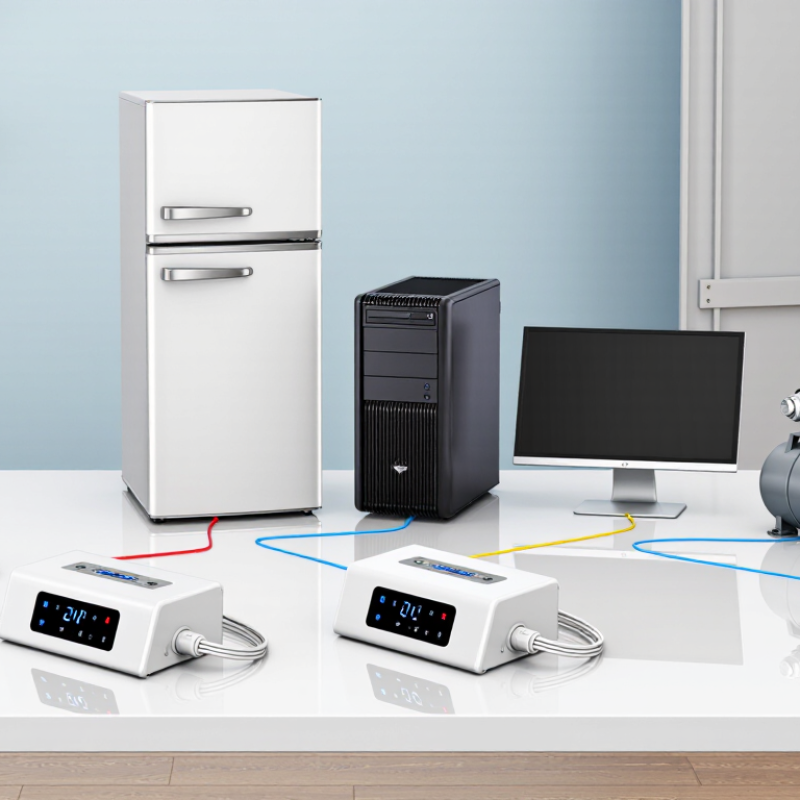
Choosing the 2026 best Imported Voltage Protector starts with your equipment, not the product label. A refrigerator, pump, and desktop computer can need different protection and load capacity. Check the protector’s rated voltage, frequency, maximum current, and supported load type against the appliance nameplate. Confirm that its plug and socket fit your installation. Small details matter.

“Imported” does not automatically mean safer or better. Compare the product’s documented operating limits, cutoff thresholds, restart delay, and indicator lights. A delay can help prevent rapid restarting after an interruption, though the right setting depends on the connected equipment. Look for clear manufacturer information and test reports from credible laboratories. Verify that any certifications apply to your region and exact model. A label alone proves little.

Think about the room, too. A warm utility closet, dusty workshop, or crowded outlet can affect real-world use. Avoid exceeding the rated load, and follow the maker’s installation instructions. If wiring, grounding, or compatibility is uncertain, ask a qualified electrician. Some listings leave important specifications vague. That deserves caution. I would not rank a protector by price or appearance alone; even a well-reviewed unit may not suit every appliance. This guide focuses on practical comparison points buyers can verify before choosing, while recognizing that product details and availability can change.
2026 Best Imported Voltage Protector for Buyers?

What an Imported Voltage Protector Is and How It Works

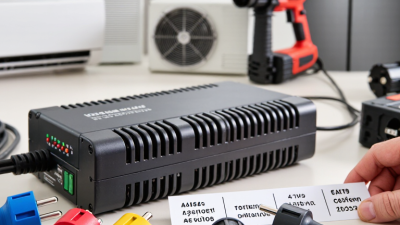
An imported voltage protector is a device that monitors incoming electricity and disconnects equipment when voltage rises above or falls below its operating limits. “Imported” describes where the product comes from; it does not guarantee suitability for every electrical system. The protector’s printed voltage range, current rating, and frequency should match the intended use.

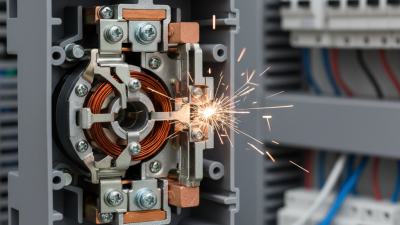
Inside, a sensing circuit checks the supply. If it detects an unsafe reading, a relay or contactor opens the circuit, cutting power to the connected appliance. When voltage returns to an acceptable range, many models wait briefly before reconnecting. That delay helps reduce rapid on-off cycling. Some protectors also show the measured voltage on a small display. They are not automatically surge protectors, so check which hazards the specific model is designed to address.

Tips: Read the specifications before purchase. Confirm the rated load, plug or wiring type, and restart delay. A label can be easy to misread, so compare it with the appliance requirements. For fixed wiring or uncertain installation, ask a qualified electrician. A protector adds a layer of monitoring, but it cannot correct every power-quality problem.

Key Types of Voltage Protectors Available in 2026

Key Types of Voltage Protectors Available in 2026

Voltage protectors address different problems, so buyers should match the device to the load. Surge protective devices divert brief voltage spikes, such as those caused by nearby lightning or switching. They do not correct prolonged high or low voltage. Over/under-voltage relays monitor incoming power and disconnect equipment when voltage crosses set limits. Many include a restart delay, useful for appliances with compressors. Simple, but not a cure-all.

Automatic voltage regulators maintain a steadier output during gradual fluctuations. Relay-based models suit basic household loads; servo or electronic models can offer finer correction for sensitive equipment. For larger installations, coordinated protection may combine a service-panel surge device with equipment-level protection. EIA reliability data recorded an average 5.6 hours of U.S. customer interruptions in 2022, including major events. That figure describes outages, not voltage faults, but it shows why protection needs realistic limits. A protector cannot keep every system running.

Uptime Institute’s 2024 Annual Outage Analysis found that 54% of surveyed organizations reported their most recent significant outage cost more than $100,000. The report covers outages broadly, not voltage-protector performance. Still, it underscores the value of checking response thresholds, load rating, and reset behavior before buying. Installation details matter, too. Even a well-specified unit may disappoint if its capacity is undersized or its settings do not match the equipment. That part is easy to overlook.

2026 Best Imported Voltage Protector for Buyers? - Key Types of Voltage Protectors Available in 2026
Protector Type Typical Installation Main Function Key Specifications to Compare Suitable Applications Important Limitation
Plug-in voltage protector Between a wall outlet and one appliance Disconnects the appliance when voltage rises above or falls below set limits; may reconnect after a delay. Rated voltage and current, over/undervoltage thresholds, reconnect delay, outlet type, and frequency compatibility. Refrigerators, freezers, televisions, and other individual appliances. Protects only the connected load. Current and outlet ratings must match the appliance and local electrical system.
DIN-rail voltage monitoring relay Inside a distribution board or control panel Monitors supply voltage and operates a relay output to disconnect a circuit or signal a contactor. Single- or three-phase operation, adjustable thresholds, trip delay, reset mode, relay contact rating, and phase-loss detection. Panel builders, pumps, HVAC equipment, and small commercial installations. The relay output may need a suitably rated contactor; it is not automatically a surge suppressor or voltage regulator.
Whole-installation over/undervoltage relay At the main distribution point, usually controlling a contactor Disconnects selected circuits or an installation when sustained supply voltage is outside configured limits. Supply type, voltage range, current path or contactor arrangement, trip/reconnect timing, and neutral or phase monitoring. Homes, workshops, and premises where supply fluctuations affect multiple circuits. Installation should be designed for the electrical system and local regulations. It does not replace overcurrent protection.
Surge protective device (SPD) At a service entrance, distribution board, or near sensitive equipment Limits short-duration transient overvoltages, such as some switching surges and lightning-induced surges. SPD type, maximum continuous operating voltage, nominal discharge current, voltage protection level, and system configuration. Electrical panels and equipment exposed to transient surge risks. An SPD is not designed to correct sustained high or low mains voltage. Selection and installation depend on the earthing system and local codes.
Automatic voltage regulator (AVR) Between the supply and selected equipment, or as a larger installation unit Adjusts output voltage within its operating range rather than simply disconnecting whenever voltage varies. Input range, regulated output range, rated VA or kVA, output tolerance, overload capacity, and response characteristics. Equipment that needs a steadier supply where input voltage varies within the regulator’s capability. Capacity is limited; an AVR does not necessarily provide protection from every transient surge or sustained fault.
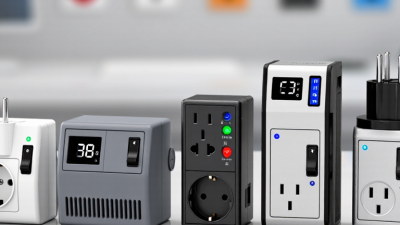
Portable voltage protector with display Plug-in outlet or portable power connection Displays supply conditions and may disconnect a connected load when preset limits are exceeded. Voltage and current ratings, display accuracy, cutoff thresholds, delay settings, plug format, and safety approvals. Temporary use, travel within compatible regions, and monitoring individual appliances. Plug shape alone does not confirm electrical compatibility; check voltage, frequency, grounding, and rated load.

Selection note: Product features and ratings vary by model and destination market. Confirm compatibility with the local nominal voltage, frequency, plug and earthing system, load current, and applicable electrical requirements before purchase or installation.

Essential Ratings and Features Buyers Should Compare

For an imported voltage protector, begin with the supply voltage and frequency printed on your appliance and the unit’s label. They must be compatible. Check the allowed input range, not just the advertised nominal voltage. A unit that disconnects at the wrong threshold may interrupt normal use or fail to protect sensitive equipment.

Match the rated current and wattage to the connected load, allowing for startup demand. A refrigerator compressor, for example, can briefly draw more current than its steady running rating. Look for clear overload protection and a specified reconnection delay. That pause can help prevent rapid cycling after a power interruption. Surge protection is a separate feature; check whether the specifications state a surge rating, such as joules, rather than assuming voltage cutoff covers it.

Inspect practical details, too: grounded contacts, sturdy casing, readable status indicators, and a plug that fits securely without an adapter. Confirm that the product documentation identifies relevant safety testing for the market where it will be used. Specifications can be confusing, and I would not choose by one impressive number alone. Compare the ratings with the actual appliance label, then consider the room: a warm, dusty utility corner may expose weak construction faster than a clean shelf.

How to Match a Protector to Your Equipment and Power Supply

2026 Best Imported Voltage Protector for Buyers?

Matching a voltage protector starts with the equipment, not the product label. Read the device nameplate for nominal voltage, frequency, phase, and maximum current. Then compare these figures with the supply at the installation site. A 230-volt appliance connected to a 120-volt circuit is not made compatible by adding a protector. Fit matters.

Check the protector’s operating range, surge rating, and stated protection level. For refrigerators, pumps, and other motor-driven loads, allow for startup current; a unit rated only for normal running current may trip unexpectedly. Confirm that the plug and socket match, and that the product is certified for the destination market. Imported specifications can use unfamiliar rating conventions. Read the manual carefully.

A protector cannot keep equipment running during an outage. Uptime Institute’s 2024 Annual Outage Analysis found that 54% of surveyed data-center operators said their most recent significant outage cost at least $100,000. That figure is not a household estimate, but it shows why protection should match the actual risk. For brief interruptions, consider whether separate backup power is needed. For unstable mains voltage, select a protector with clear cut-off thresholds and a suitable delay before reconnection. Recheck your assumptions. A larger rating is not automatically a better match.

How to Assess Quality, Certification, Warranty, and Value

A dependable imported voltage protector should be judged by test evidence, not a polished label. Check its rated voltage, current capacity, trip thresholds, reset behavior, and delay time against the equipment it will protect. Ask for a test report tied to the exact model, plus certification from an independent laboratory accredited for the relevant product standard. A certificate for a factory or a similar model proves less. No label is enough. The U.S. Energy Information Administration’s Electric Power Annual 2023 reported about 5.6 hours of average customer interruption in 2023, including major events. That figure measures outages, not voltage fluctuations, but it is a reminder to assess local supply conditions rather than assume they are stable.

Read the warranty before comparing prices. Confirm who handles claims, whether shipping is covered, and whether damage to connected equipment is excluded. Check the warranty term, replacement process, and availability of spare units. I would also compare the protector’s operating limits with real site conditions, such as motor-starting surges or a warm, crowded control cabinet. Small details matter. A cheap unit may lack clear test records, while a costly one may offer little extra protection. Compare verified performance, certification scope, warranty terms, and expected service life together. Then weigh the total cost, not just the import price.

2026 Best Imported Voltage Protector for Buyers?

How to Assess Quality, Certification, Warranty, and Value

This 100-point scorecard is a practical buyer-evaluation framework, not a market survey. Check that certifications and test reports apply to the exact product and intended use; relevant standards vary by device type and destination market. Compare rated voltage and current, protection performance, warranty terms, replacement availability, and the total landed cost before buying.