7 Best Circuit Breaker Box MCB Brands for Global Buyers?
Global electrical demand is rising, and protection equipment must keep pace. The International Energy Agency’s Electricity 2024 report projects nearly 4% annual demand growth through 2026. More circuits mean more responsibility.
For global buyers, a Circuit Breaker Box Mcb is not merely a small switch inside a plastic enclosure. It must interrupt overloads, withstand short-circuit energy, and operate reliably in crowded distribution boards. IEC 60898-1 provides a key reference for household and similar installations, including performance, testing, and safety requirements. Still, compliance marks alone do not guarantee the best purchasing decision.
Electrical safety engineer John Cadick offers a useful principle: “Protection is a system, not a single device.” That idea matters when comparing Schneider Electric, ABB, Siemens, Eaton, Legrand, CHINT, and Hager. Each brand may offer different trip curves, rated capacities, terminal designs, enclosure compatibility, and regional certifications. Small details matter. A loose terminal can create heat. A mismatched curve can cause nuisance tripping. A poorly documented product can delay approval.
This guide examines seven leading MCB brands for international buyers. It considers technical performance, certification support, supply stability, after-sales service, and practical installation experience. Brand reputation helps, but it is not enough. Product selection still depends on voltage, current, fault level, ambient temperature, and local code requirements.
There is no perfect shortlist. Some conclusions need verification.
Buyers should confirm current datasheets, test certificates, and authorized distribution channels before ordering. That extra review may feel slow, yet it can prevent expensive replacement work, unsafe installations, and avoidable project delays.
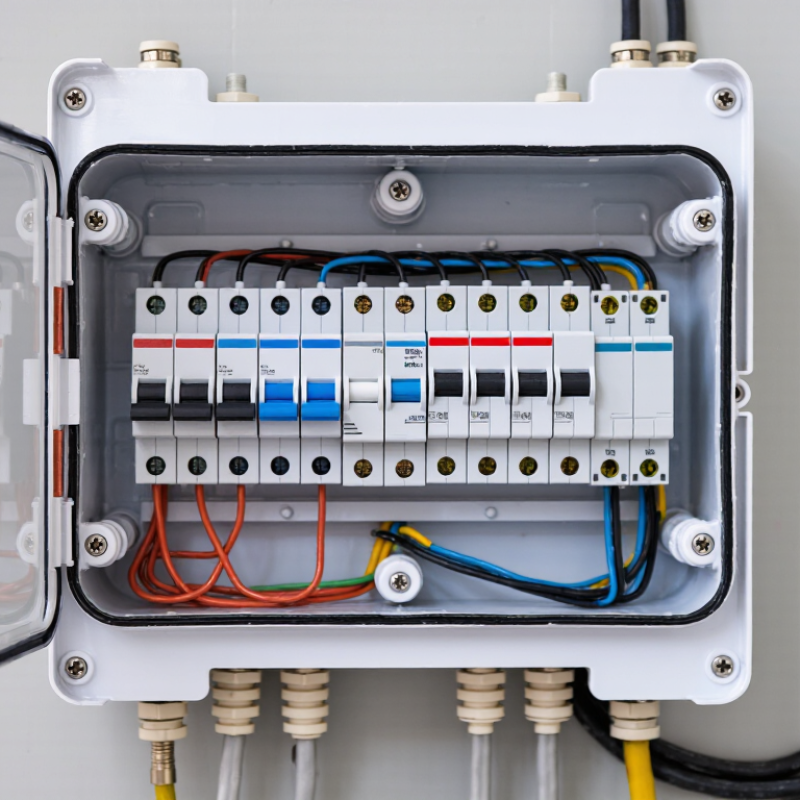
Understanding MCB Circuit Breaker Boxes and Global Buyer Requirements
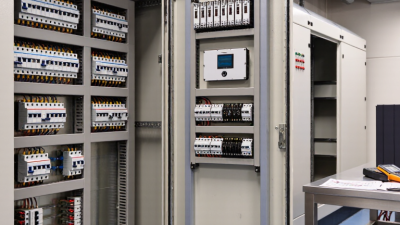
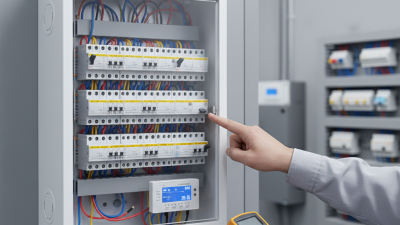
An MCB circuit breaker box is more than a row of switches. It combines miniature circuit breakers, busbars, terminals, and an enclosure. For global buyers, the box must match local voltage, frequency, phase arrangement, and wiring practice. A 230 V single-phase home panel cannot serve a 400 V three-phase workshop without careful review. Check rated current, number of poles, breaking capacity, trip curve, and insulation level. Small details matter. A damp coastal project may require stronger enclosure protection, while a dusty plant needs sealed cable entry points.
From supplier evaluations, I have learned that clear documentation often separates a dependable product from a confusing one. Request test reports, wiring diagrams, terminal sizes, installation limits, and traceable quality records. Ask whether each MCB has been tested as part of the complete box, not only as an individual device. This question is often missed. Also confirm space for cable bending and future circuits; a crowded box slows maintenance and increases mistakes. I once accepted a compact layout that looked efficient, but the terminals were difficult to reach. That assumption was wrong. Buyers should verify local certification needs with qualified electrical professionals before ordering.
How to Evaluate MCB Brands for Safety, Quality, and Reliability
Choosing MCB brands requires more than comparing prices or polished packaging. Safety begins with verified compliance. IEC 60898-1 covers circuit breakers for household and similar installations, while IEC 60947-2 addresses industrial applications. Check the rated voltage, current, short-circuit capacity, and trip curve. These values must match the intended panel and load. Independent laboratory certificates should identify the exact model and test standard. A catalogue promise is not evidence. The NFPA report Home Fires Involving Electrical Distribution and Lighting Equipment recorded an annual average of about 32,600 U.S. home fires from 2015 to 2019. Electrical protection deserves careful scrutiny.
Quality appears in small manufacturing details. Inspect terminal strength, housing consistency, labeling, and the firmness of the switching mechanism. Ask for routine test records, batch traceability, and factory quality-system certification. Thermal performance also matters. An MCB installed inside a hot, crowded enclosure may carry less current than expected. Reliability needs repeated operation, short-circuit testing, and stable trip performance over time. Request test data for endurance, temperature rise, and breaking capacity. Field feedback from electricians can reveal nuisance tripping or loose terminals faster than brochures. I would not rely on one certificate alone. It may be genuine, yet incomplete. Compare documents, samples, and after-sales response before approving a brand for global projects.
Seven Leading MCB Brands for International Electrical Projects
For international electrical projects, seven leading MCB brands usually distinguish themselves through dependable design, clear documentation, and stable production quality. The first group focuses on residential protection, offering compact breakers with simple trip indicators and familiar ratings. Another group serves commercial buildings, where higher short-circuit capacity and coordinated distribution matter more. Industrial specialists often provide broader current ranges, stronger housings, and accessories for remote status monitoring. Some manufacturers are known for modular systems that fit crowded panels. Others emphasize rapid thermal and magnetic response. A smaller group earns trust through strict factory testing and consistent batch records. The seventh type combines practical pricing with acceptable performance for general construction projects.
Experienced buyers should inspect more than a printed logo. Check rated current, pole configuration, tripping curve, breaking capacity, terminal size, and operating temperature. Compare these details with the project’s load calculations and local installation rules. Independent test reports can support supplier claims, but they do not replace application review. Ask for datasheets, conformity documents, production dates, and sample units before ordering large quantities. Inspect the terminal screws and rail connection. Small details matter.
No product fits every market. A breaker selected for a warm coastal site may behave differently in a crowded indoor panel. I once overlooked enclosure ventilation during a specification review, and the correction delayed procurement. That mistake remains useful. Buyers should also verify spare-part availability, warranty procedures, and technical support across borders. Cheap sourcing can become expensive when documentation is incomplete or replacement units are unavailable.
Comparing Brand Performance, Certifications, Features, and Applications
Global buyers should compare MCB performance through tested ratings, not appearance. The IEA Electricity 2024 report forecasts global electricity demand to grow by about 3.4% annually through 2026. That growth increases demand for dependable protection in homes, factories, data centers, and solar installations.
Check each product’s rated current, short-circuit capacity, trip curve, and mechanical endurance. B-curve units suit lighting and residential circuits. C-curve units handle moderate motor inrush. D-curve units serve transformers and heavy machinery. Certification also matters. IEC 60898-1 supports household and similar installations, while IEC 60947-2 addresses industrial low-voltage equipment. UL 489 may be required for North American projects. Local acceptance still varies.
Small details decide field performance. Compare thermal derating above 40°C, terminal torque, busbar compatibility, and clear status indicators. For outdoor or dusty sites, examine the complete enclosure rating, not only the breaker label. Electrical Safety First reports that overloaded circuits and poor connections remain recurring causes of electrical fires in residential environments. That makes verified quality more important than the lowest quotation. A spreadsheet can still mislead. I would request independent test reports, production-batch traceability, and samples before approving seven shortlisted suppliers. Claims of “universal” compatibility deserve careful checking.

 +86 13868429846
 Contact Phone
 Contact Email