Why Choose Over Under Voltage Protector for Your Needs?
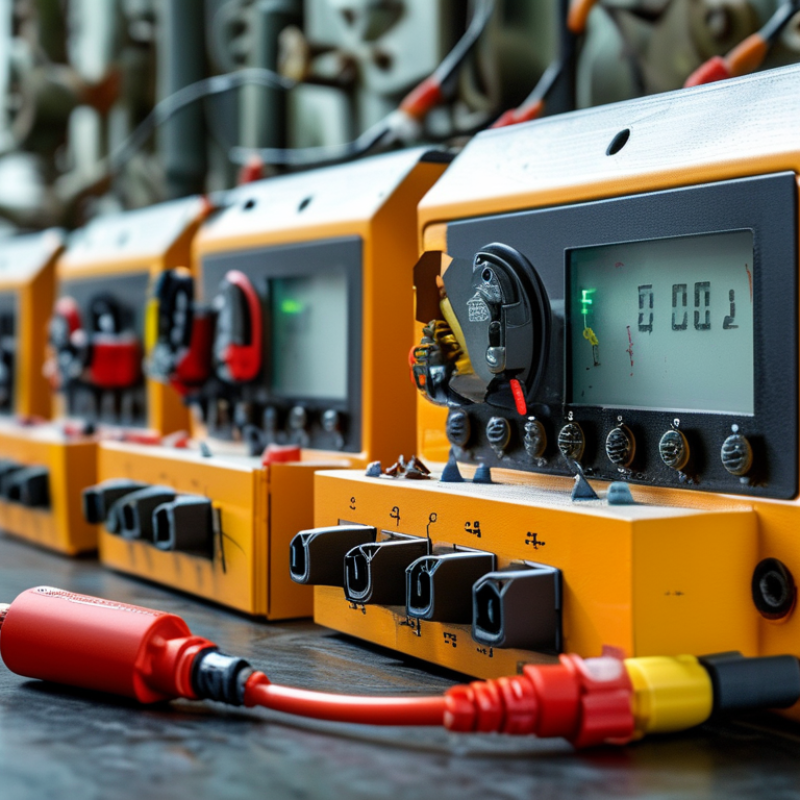
Choosing the right protection for electrical systems is crucial. An Over Under Voltage Protector is a device designed to safeguard equipment against voltage fluctuations. These fluctuations can lead to equipment failure and costly repairs. By maintaining voltage within safe limits, this protector ensures the longevity of your electrical devices.
Experience shows that voltage problems frequently lead to downtime. In industries where efficiency matters, every second counts. An Over Under Voltage Protector can prevent unexpected outages and enhance operational reliability. With its ability to monitor and respond to voltage variations swiftly, this device has become essential.
Trust in the technology behind Over Under Voltage Protectors. Manufacturers focus on durability and precision. They ensure compliance with safety standards. However, not all devices are created equal. Critically assessing available options is vital. Review specifications and customer feedback for informed choices. This reflection on the right protector can lead to significant cost savings in the long run.
Importance of Voltage Protection in Electrical Systems
Voltage fluctuations can significantly impact electrical systems. Over and under voltage conditions may lead to equipment failure, resulting in costly downtime. According to the IEEE Power Quality Standards, voltage disturbances account for nearly 30% of all power quality issues. Protecting your electrical systems is crucial for optimal performance.
Implementing voltage protection can prevent damage caused by these fluctuations. Studies show that unprotected equipment can fail 10 times faster when exposed to over voltage conditions. Conversely, under voltage can lead to overheating and inefficiencies. Thus, an over under voltage protector is essential for maintaining the reliability of electrical systems.
Tip: Regularly check your voltage levels to ensure they stay within acceptable ranges. This simple step can prevent many unforeseen problems. Additionally, consider investing in monitoring tools to assess voltage quality. A proactive approach can save costs long-term and enhance system reliability.
Understanding Over and Under Voltage Conditions
Over and under voltage conditions can lead to serious electrical issues. High voltage can cause equipment damage, while low voltage can disrupt operations. Understanding these risks is vital for any facility. Facilities exposed to fluctuating power supplies are especially vulnerable. An overvoltage can result in overheating and eventual system failure. On the other hand, under voltage situations can lead to malfunction or inefficient operation of machinery.
The need for protection against these conditions cannot be overstated. Voltage protector devices are essential in mitigating the risks associated with over and under voltages. They actively monitor the electrical supply and act when voltage levels deviate from the norm. Such devices offer a safeguard and can prevent costly repairs and downtime. However, not all environments require the same type of protection.
Relying entirely on automatic systems can be risky. There is a need for human oversight to ensure functionality. Regular maintenance and checks can identify potential issues before they escalate. Organizations need to evaluate their specific requirements and circumstances. While technology can provide solutions, a thoughtful approach to risk management is equally important.
Why Choose Over Under Voltage Protector for Your Needs? - Understanding Over and Under Voltage Conditions
| Feature |
Description |
Importance |
| Voltage Monitoring |
Continuously checks voltage levels. |
Critical for preventing equipment damage. |
| Automatic Cut-off |
Disconnects power during unsafe conditions. |
Ensures safety and equipment protection. |
| User Alerts |
Provides notifications for abnormal voltage. |
Allows for proactive measures to be taken. |
| Compatibility |
Works with various electrical systems. |
Flexible solution for diverse applications. |
| Cost-Efficiency |
Reduces potential repair costs. |
Long-term savings on maintenance. |
Key Benefits of Implementing Voltage Protectors
Over under voltage protectors (OVP) are essential in today’s electrical systems. They safeguard devices from voltage fluctuations that can cause significant damage. According to a report by the Electric Power Research Institute, voltage disturbances account for 80% of electrical equipment failures. Implementing voltage protectors can drastically reduce the risk of such failures.
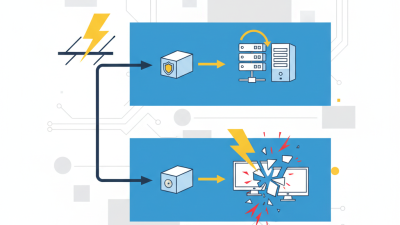
These protectors automatically disconnect power during voltage spikes or drops. This simple action can protect sensitive electronics and prolong their lifespan. The cost of replacing damaged equipment often outweighs the investment in voltage protection. The average cost of downtime due to voltage issues can reach up to $200,000 per hour in industrial settings. Thus, voltage protectors not only save equipment but also help maintain productivity.
Tips: Regularly check your voltage levels. An unstable supply may indicate the need for a protector. Consider professional installation to ensure optimal performance.
Moreover, while OVPs are highly effective, they are not foolproof. Some fluctuations might still occur. Regular maintenance and monitoring are essential to catch any potential issues early. Investing in quality equipment and protection ensures better reliability and efficiency.
Benefits of Using Over/Under Voltage Protectors
Industry Statistics on Equipment Failures Due to Voltage Issues
Voltage issues are a leading cause of equipment failures across various industries. According to recent studies, approximately 30% of all electrical equipment failures stem from overvoltage or undervoltage conditions. This alarming statistic highlights the critical importance of having reliable protective measures in place. Without proper voltage protection, businesses risk significant downtime and costly repairs, which can severely impede productivity.
Tips: Regularly assess your electrical systems. Look for signs of voltage instability. Early detection can save you from major losses.
In industrial environments, equipment sensitivity varies widely. Motors, for example, may experience reduced lifespan due to voltage fluctuations. Data suggests that equipment loss can exceed 20% when voltages are not controlled effectively. Ignoring these statistics can lead to devastating consequences for any operation. Understanding your voltage tolerance levels is essential.
Tips: Invest in comprehensive monitoring systems. Awareness of voltage levels can prevent unexpected breakdowns. Consider routine checks with specialists to ensure ongoing stability.
How to Select the Right Voltage Protector for Your Applications
When selecting an Over Under Voltage Protector for specific applications, the decision hinges on several factors. The first consideration is the voltage range you need to accommodate. A comprehensive report from the International Electrotechnical Commission highlights that improper voltage regulation can lead to a 5-20% reduction in equipment lifespan. Knowing your target voltage range allows for a more accurate match with the protector's specifications.
Next, assess the type of load you are working with. Different applications, such as industrial machinery or sensitive electronic devices, have varying tolerance levels for voltage fluctuations. A detailed study from IEEE shows that sensitive equipment can malfunction with deviations as small as 10% from the rated voltage. Understanding the nature of the load informs your choice of protector.
It's also important to consider the protection features you need. Some protectors offer additional functions like surge protection or overcurrent detection. Data from various electrical safety organizations indicates that devices equipped with advanced protection features reduce failure rates by nearly 30%. However, selecting a protector with too many features might complicate installation or increase costs without significant benefit.
Taking the time to evaluate these aspects carefully can lead to a more effective and reliable voltage protection solution.

 +86 13868429846
 Contact Phone
 Contact Email