What is a Lightning Arrester SPD and How Does it Work?
In today's world, the importance of proper electrical protection cannot be overstated. A crucial device in this realm is the Lightning Arrester SPD. According to Dr. Emily Carter, a leading expert in electrical safety systems, “Understanding the Lightning Arrester SPD is essential for safeguarding infrastructure.” This highlights the significance of comprehending its functions.
The Lightning Arrester SPD is designed to redirect excessive energy from lightning strikes, preventing damage to sensitive electrical systems. These devices act quickly, offering high levels of protection. However, many still overlook their installation and maintenance needs. The effectiveness of a Lightning Arrester SPD hinges on proper placement and regular checks.
While accessibility to information has improved, gaps still remain in public knowledge. Many organizations suffer from inadequate protection due to a lack of awareness. As the reliance on electrical systems grows, understanding the role of a Lightning Arrester SPD becomes imperative for both safety and functionality. Investing in knowledge today can safeguard our assets tomorrow.
What is a Lightning Arrester SPD and Its Significance in Electrical Systems?
In modern electrical systems, the significance of a Lightning Arrester Surge Protective Device (SPD) cannot be overstated. A lightning arrester SPD is designed to protect electrical equipment from voltage spikes caused by lightning strikes. According to industry reports, nearly 90% of all lightning-related damages occur within the first 50 meters of a structure, emphasizing the need for effective protection systems.
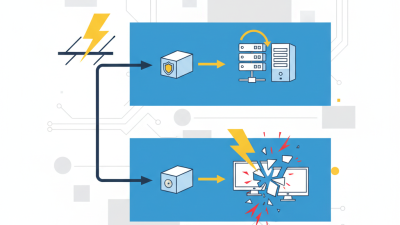
These devices divert excess voltage away from sensitive components, preserving functionality and integrity. A study published by the National Lightning Safety Institute found that proper installation of SPDs can reduce equipment damage by up to 75%. This risk management is crucial for industries reliant on constant electrical operation. However, many facilities still lack adequate SPD protection, leaving them vulnerable to costly disruptions and repairs.
It's also important to note that not all SPDs are created equal. Variability exists in their ratings and performance standards. According to the IEC 61643-11 standard, an SPD's effectiveness is often influenced by its installation method and environmental conditions. Awareness of this variability can guide professionals in selecting the right solution. Regular reviews of current setups may reveal shortcomings. Fixing these gaps is essential to enhance overall safety and efficiency in electrical systems.
What is a Lightning Arrester SPD and How Does it Work? - What is a Lightning Arrester SPD and Its Significance in Electrical Systems?
| Parameter |
Description |
Importance |
| Device Type |
Surge Protective Device (SPD) |
Prevents damage from voltage spikes |
| Connection Method |
Parallel to electrical line |
Ensures continuous operation of connected devices |
| Response Time |
Nanoseconds |
Quickly mitigates surges to protect equipment |
| Typical Voltage Rating |
Varies by application (e.g., 300V, 600V) |
Matches system voltage for effective protection |
| Installation Location |
Main electrical panel or critical equipment |
Optimal positioning for surge protection |
| Maintenance Requirement |
Periodic checks and replacements |
Ensures ongoing effectiveness |
Types of Lightning Arresters: Understanding Different Designs and Applications
Lightning arresters, also known as surge protective devices (SPDs), play a crucial role in protecting structures. Different designs cater to various applications, making it essential to understand each type.
Conventional lightning arresters feature pointed tips. They attract lightning strikes, channeling energy safely to the ground. This design is effective for tall structures like skyscrapers.
Another prevalent type is the air terminal system. It uses a network of conductors and grounding systems. This configuration is beneficial for expansive areas, like farms and sports fields. It can protect buildings and equipment from electrical surges caused by lightning. Selecting the right type depends on the specific risks faced in the area.
Some designs, however, have challenges. Regular maintenance is often overlooked. Neglected systems can become less effective over time. Moreover, installations in areas with frequent storms should be regularly reviewed. The right design must be paired with consistent maintenance to ensure optimal protection. Understanding these elements helps mitigate risks associated with lightning strikes.
How Lightning Arresters Operate: The Mechanism of Surge Protection Devices
Lightning arresters, also known as surge protective devices (SPDs), play a crucial role in safeguarding electrical systems. Their core mechanism focuses on redirecting surges caused by lightning strikes away from sensitive equipment. When a surge occurs, the SPD activates, creating a low-resistance path for the current to flow. This rapid response is essential, as studies show that lightning strikes can produce voltages exceeding 1 million volts. The National Fire Protection Association reports that lightning causes more than 20,000 fires annually, underscoring the need for effective protection.
The operation of lightning arresters relies on a combination of components, including metal oxide varistors (MOVs) and gas discharge tubes (GDTs). MOVs clamp the surge voltage to a safe level, while GDTs provide additional protection by ionizing the gas within them. This interaction allows for a swift discharge of excess voltage. However, not all SPDs provide the same level of defense; many factors, like installation quality and environmental conditions, can impact their efficiency. Industry standards recommend conducting regular maintenance and assessments to ensure that these devices perform optimally.
Despite their critical role, some facilities underestimate the importance of proper surge protection. Research shows that nearly 70% of power quality issues stem from transient surges. This reality suggests that organizations should prioritize investing in high-quality SPDs. As technology evolves, so does the design of lightning arresters, enhancing their protection capabilities. However, users must remain vigilant in understanding their operational requirements and limitations.
Industry Standards and Regulations Governing Lightning Arrester Installation
When considering lightning arrester installations, adherence to industry standards is crucial. These standards ensure that the devices protect electrical systems effectively and safely. In many regions, organizations such as the National Fire Protection Association (NFPA) and the International Electrotechnical Commission (IEC) outline best practices. These guidelines cover everything from installation techniques to routine inspections. Following them helps prevent property damage and enhances safety.
Regulations also dictate the types of materials used, often emphasizing durable components that withstand extreme weather. Compliance can lead to better reliability under storm conditions. However, some installations might overlook these details. For instance, a lack of proper grounding can undermine the entire system's effectiveness. This oversight can result in significant risks, including equipment failure and fire hazards.
Continuous education on best practices is essential. Many technicians may lack updated knowledge about evolving regulations. Workshops and training sessions can bridge this gap. Ensuring that everyone involved in the installation process understands the requirements is key. It creates a culture of safety and reliability within the industry.
Impact of Lightning Arresters on System Reliability and Safety Metrics
Lightning arresters or surge protective devices (SPDs) play a crucial role in enhancing system reliability and safety. These devices act as a barrier, redirecting high-voltage surges away from sensitive electrical equipment. This protection can significantly reduce the chances of equipment failure during a lightning strike, thereby safeguarding both infrastructure and personnel. Studies have shown that systems equipped with lightning arresters experience fewer disruptions.
However, not all installations are effective. Frequently, improper placement or selection of SPDs can lead to inadequate protection. Regular maintenance is essential. Without it, the effectiveness of these devices can diminish over time. Users may overlook this aspect despite its importance. The initial cost of installation may seem high, but the long-term savings from preventing equipment damage make it a worthy investment.
Evaluating the impact of lightning arresters on safety metrics is equally vital. A reliable system must prioritize both performance and maintenance. Organizations often focus too much on immediate safety rather than long-term reliability. This oversight can cost them more in the end. A nuanced approach is needed, considering both the upfront costs and the ongoing maintenance requirements for optimal performance.

 +86 13868429846
 Contact Phone
 Contact Email