How to Choose the Best Spd Electrical Protector for Your Needs?
Choosing the right SPD electrical protector for your needs can be daunting. Industry expert Dr. Emily Carter emphasizes, "The right SPD can prevent costly damages." With numerous options available, understanding the features is vital.
SPDs protect devices from voltage spikes. They divert excess voltage away from sensitive equipment. Selecting the ideal model requires knowledge of your electrical environment. Each setting has unique demands. A one-size-fits-all solution is rarely effective.
Consider your specific requirements. Evaluate the voltage, the frequency of spikes, and your equipment's sensitivity. A common mistake is underestimating the potential risk. Relying on generic protectors may lead to future issues. The right SPD electrical protector enhances safety and reliability. Ensure you make an informed choice.
Understanding the Purpose of SPD Electrical Protectors
Surge Protective Devices (SPDs) are essential for protecting electrical systems from voltage spikes. Understanding their purpose is key to making informed choices. According to a report by the Institute of Electrical and Electronics Engineers (IEEE), over 60% of electrical damage occurs due to surges. This highlights the need for effective SPDs in both residential and commercial environments.
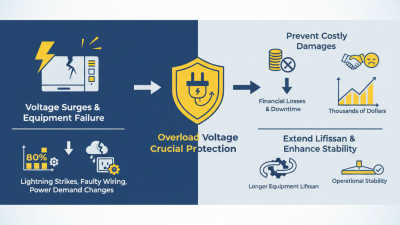
SPDs work by diverting excess voltage away from sensitive equipment. They help safeguard investments in electronics, reducing repair and replacement costs. The International Electrotechnical Commission (IEC) emphasizes that a good SPD can reduce damage risks by up to 80%. This statistic underscores the critical role of these protectors in maintaining system integrity. Yet, some users overlook their importance, thinking that standard circuit breakers suffice.
Choosing the right SPD requires careful consideration. Factors include the type of equipment, location, and potential surge sources. Many people fail to assess these variables properly. Ignoring local environmental factors can lead to inadequate protection. Each installation site has unique risks. Understanding these is vital for maximizing the effectiveness of SPDs. Balancing expertise and user experience is crucial for making the best decisions.
Identifying Your Specific Electrical Protection Needs
Identifying your specific electrical protection needs is crucial for choosing the right SPD (Surge Protective Device). Start by evaluating the type of equipment you aim to protect. Think about your devices. Are they sensitive electronics or heavy-duty machinery? This will determine the specifications you need in a protector.
Assess the environment where the devices operate. Locations prone to lightning strikes or power surges require robust protection. The voltage ratings are essential here. Too low a rating could lead to equipment failure. Additionally, consider the response time of the SPD. A quicker response can make a substantial difference in protection.
Tips: Always read product reviews before purchasing. Recommendations from professionals can offer insights. Don't compromise on quality; it often matters more than the price. Regular maintenance checks can ensure your SPD is functional over time. Reflecting on your previous protection choices can lead to better decisions for future setups.
Choosing the Best SPD Electrical Protector
This chart illustrates the main electrical protection needs categorized by their importance for various applications. Understanding these needs can assist in making the right choice for SPD electrical protectors.
Evaluating the Different Types of SPD Devices Available
When evaluating different types of surge protective devices (SPDs), it's essential to consider the specific needs of your electrical system. SPDs are designed to protect equipment from voltage spikes, which can cause significant damage. The longevity and functionality of electronic devices depend heavily on effective surge protection. According to the IEEE, unprotected systems can face downtime costs of up to $1 million per hour due to surge-related failures.
The key types of SPDs available include Type 1, Type 2, and Type 3 devices. Type 1 SPDs connect to the service entrance. They provide the first line of defense against overvoltages from external sources such as lightning. Type 2 devices are installed on the load side of the service entrance, providing additional protection against internally generated surges. Type 3 SPDs are designed for point-of-use applications, like protecting individual devices. Understanding these classifications helps in selecting the right SPD for your installation.
Selecting the right SPD also requires evaluating voltage ratings and discharge capacity. Make sure the device can handle potential peaks in your electrical system. Reports indicate that 60% of electrical damage occurs from transient overvoltages. Not all SPDs are equal in performance under high-voltage conditions. Some may falter when it matters most. It's beneficial to reflect on your system's specific risks and the characteristics of each SPD type to ensure optimal protection.
Factors to Consider When Choosing an SPD Electrical Protector
When selecting a surge protective device (SPD) electrical protector, several factors demand careful consideration. Start with the environment where the SPD will be installed. Indoor and outdoor settings differ significantly. Humidity and temperature variations can impact performance. Assess the potential exposure to electrical surges. This evaluation shapes your choice of protection levels.
Voltage rating is another crucial aspect. A mismatch here can lead to inadequate protection. Look for SPDs that match or exceed the system voltage. The type of surge protection is also important. Choose between type 1, 2, or 3 devices based on your system requirements. Each type caters to different types of installations and protection needs.
Additionally, review the response time of the SPD. Faster response times can prevent damage from transient surges. Don't overlook the product certifications and compliance with industry standards. These indicators reflect reliability and quality. Finally, consider ease of installation and maintenance. Complicated devices may hinder proper upkeep. Always weigh these factors against your specific needs to make a well-informed decision.
How to Choose the Best Spd Electrical Protector for Your Needs?
| Factor |
Description |
Importance |
| Surge Current Rating |
The maximum surge current the device can handle. |
High |
| Voltage Protection Rating |
The voltage level above which the SPD activates. |
Very High |
| Response Time |
The time taken for the SPD to respond to a surge. |
High |
| Installation Type |
Whether it is plug-in, hardwired or surface-mounted. |
Medium |
| Environmental Rating |
The suitability of the SPD for different environmental conditions. |
High |
| Standards Compliance |
Certification by relevant safety and performance standards. |
Critical |
Tips for Proper Installation and Maintenance of SPDs
When it comes to installing Surge Protective Devices (SPDs), proper installation and maintenance are crucial. Many overlook the significance of following guidelines. Addressing installation challenges early can prevent future issues. Ensure that the SPD is compatible with your electrical system. This step is vital. If uncertain, consult a professional for advice.
Regular maintenance checks are necessary to ensure optimal performance. Visual inspections can reveal wear and tear. Look for discoloration or damage. These signs might indicate that your SPD needs replacement. Periodically testing the device helps in identifying malfunctions. It’s better to address issues proactively rather than waiting for a failure.
Choosing an ideal location for installation is essential. Select a spot that minimizes exposure to moisture. Protect the device from physical risks, such as impacts. Keep in mind that environmental factors play a significant role in a unit's lifespan. Maintaining the balance between protection and exposure can be tricky. Always reflect on the effectiveness of your approach.

 +86 13868429846
 Contact Phone
 Contact Email