2026 How to Choose the Right Mcb Mini Circuit Breaker?
Choosing the right MCB (Mini Circuit Breaker) is crucial for electrical safety and efficiency. According to a recent industry report by the International Electrotechnical Commission (IEC), the global market for MCBs is projected to reach $10 billion by 2026. This underscores the growing importance of selecting quality circuit protection devices.
Expert in electrical engineering, Dr. Emily Chen, emphasizes, “The performance of an MCB can significantly impact the overall safety of an electrical system.” Ensuring the right specifications and ratings for the MCB is vital to prevent overloads and short circuits. It's not just about compliance; it's about safeguarding lives and property.
While many options are available, not every MCB will meet specific needs. Some users may overlook voltage ratings or trip characteristics. This can lead to inadequacies in electrical systems. It’s important to analyze the environment and loads before making a decision. Selecting an appropriate MCB requires time and careful consideration.
Understanding the Basics of Mini Circuit Breakers (MCB)
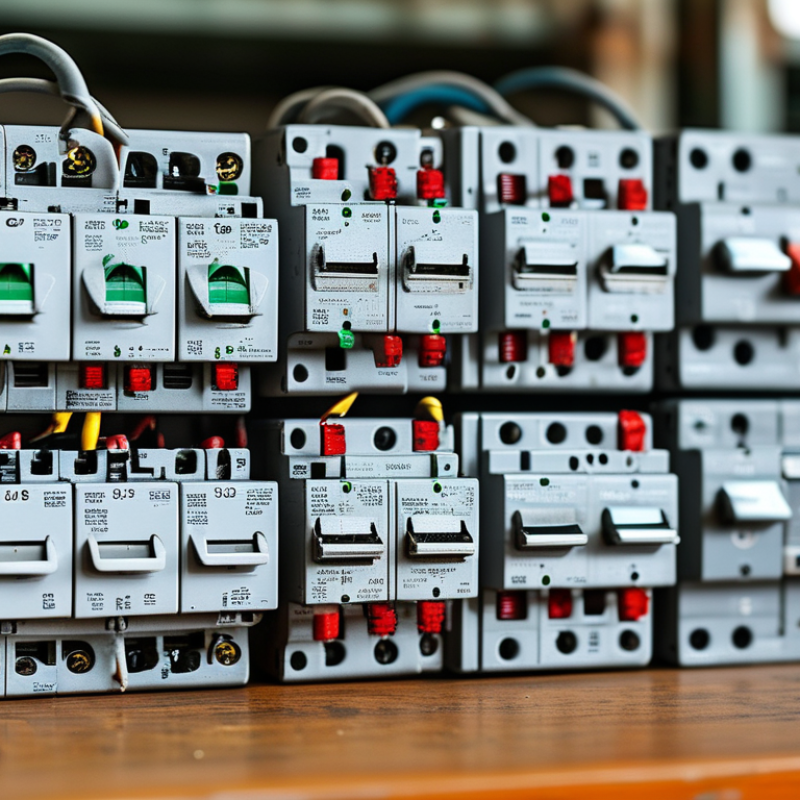
Mini Circuit Breakers (MCBs) are critical components in modern electrical systems. They protect against overloads and short circuits. A good understanding of MCBs is essential for effective system design. Research indicates that the global market for MCBs is projected to grow by 5.4% annually, reflecting their importance. Knowing the role and function of MCBs helps in making informed choices.
An ideal MCB must fit your specific application. Consider the current rating. It should align with the type of load you operate. For example, residential circuits often require a 16-32A capacity, while industrial settings may need higher ratings. Pay attention to the tripping characteristics, which should match your load’s needs. The type B MCB is common for residential use, whereas type C is suitable for commercial applications, protecting against higher inrush currents.
Tips: Always check the manufacturer's specifications. Sometimes ratings can be misleading, leading to unexpected failures. It's vital to assess the installation environment too. Factors such as temperature and humidity can affect performance. Reflect on choosing products that meet your specific requirements, as a one-size-fits-all approach seldom yields good results. Consider consulting industry reports for the latest standards and innovations in MCB technology.
Key Factors to Consider When Selecting an MCB
Choosing the right mini circuit breaker (MCB) is crucial for ensuring electrical safety. One key factor to consider is the MCB's rated current. This indicates how much current can safely pass without tripping. Selecting an MCB with a suitable rating for your specific application is essential. If the rating is too low, it may trip frequently. Too high, and it risks not protecting your circuit adequately.
Another important aspect is the MCB's tripping characteristics. Different types of MCBs respond to overloads differently. For example, Type B is suitable for residential applications with standard devices. Type C, on the other hand, is ideal for equipment that requires moderate inrush currents. Understanding your unique needs can make the selection process more effective.
Also, consider the number of poles needed for your MCB. A single-pole breaker is ideal for simple circuits. However, multi-pole breakers are necessary for three-phase systems. It's vital to assess the structure of your electrical system carefully. This can lead to potential challenges if the wrong type is used. Balancing these factors can be difficult but is critical for a reliable electrical setup. Making informed choices is necessary to enhance safety and longevity.
2026 How to Choose the Right Mcb Mini Circuit Breaker? - Key Factors to Consider When Selecting an MCB
| Factor |
Description |
Importance Level (1-5) |
| Current Rating |
The maximum load current that the MCB can handle without tripping. |
5 |
| Tripping Curve |
Defines how quickly the MCB reacts to overload or short circuit conditions. |
4 |
| Install Location |
Whether the MCB will be used indoors or outdoors affects its insulation and housing requirements. |
3 |
| Number of Poles |
Single, double, three, or four-pole options depending on the electrical system configuration. |
4 |
| Rated Voltage |
The voltage level at which the MCB operates safely. |
5 |
| Environmental Conditions |
Humidity, temperature, and exposure to chemicals can affect MCB performance. |
3 |
The Importance of Current Rating in MCB Selection
Choosing the right MCB (Mini Circuit Breaker) requires a clear understanding of current ratings. Current rating is crucial in ensuring safety and operational efficiency in electrical systems. Each MCB is designed for specific current levels. Selecting one with the correct rating can prevent electrical overload and ensure circuit protection.
When selecting an MCB, assess the expected load. Consider devices that will be connected to the circuit. Underestimating the load can lead to frequent tripping. Conversely, overrating the MCB can result in potential hazards, as it might not trip when it should. As a rule of thumb, it is advisable to allow for some overhead in capacity. This can provide a safety buffer for future expansions.
It's essential to consider the environment where the MCB will be used. Factors like temperature and humidity can affect performance. Not all MCBs handle these variations well. Regular testing and maintenance are necessary to ensure reliability. It’s tempting to choose an MCB based solely on price, but this can lead to issues down the road. Investing time in understanding ratings and making informed decisions pays off in the long run.
Evaluating the Breaking Capacity of MCBs
When selecting a Mini Circuit Breaker (MCB), understanding its breaking capacity is essential.
Breaking capacity refers to the maximum fault current that the MCB can interrupt safely. An MCB with a higher breaking capacity is better suited for environments with potential for higher short-circuit currents. This capacity is typically expressed in kiloamperes (kA). Evaluating this specification helps ensure that the MCB can protect your electrical system effectively.
Choosing the right breaking capacity involves assessing the load conditions and possible fault scenarios. For example, residential applications often require a lower breaking capacity compared to industrial ones. However, it’s easy to overlook the specific requirements of your installation. Conducting a thorough analysis of the electrical load and consulting local regulations can prevent costly mistakes. Always seek guidance from experts to navigate complex calculations.
Be mindful of the consequences of an inadequate breaking capacity. Insufficient ratings can lead to circuit failure or fire hazards. Ensuring your MCB meets or exceeds required standards is a responsibility that shouldn’t be underestimated. It’s crucial to maintain a proactive approach to evaluate every aspect, from load assessments to fault current calculations, to reinforce system reliability.
Common Applications and Usage Scenarios for MCBs
Mini Circuit Breakers (MCBs) are essential in protecting electrical circuits. They are commonly used in residential, commercial, and industrial settings. In homes, MCBs safeguard against overloads and short circuits. For instance, they prevent electrical fires caused by faulty wiring. In commercial buildings, MCBs help protect sensitive equipment. They can quickly disconnect power during faults, ensuring safety.
In industrial applications, MCBs control machinery and automated systems. They are often used in factories and warehouses. Proper selection is crucial. Consider the load type and current rating. For example, inductive loads may need specialized MCBs. Reflecting on usage scenarios is vital. Overloading an MCB can lead to nuisance tripping, which is frustrating. A wrong rating can cause failures in protection.
Installation should be performed by a qualified professional. Ensure compatibility with local standards. This is often overlooked but essential for safety. Regular maintenance is also necessary. Periodic checks can prevent unexpected failures. Awareness of these factors leads to better choices in MCB applications.

 +86 13868429846
 Contact Phone
 Contact Email