Top 10 Lightning Arrester SPD Manufacturers Worldwide
Lightning strikes can send a damaging surge through a power line in a fraction of a second. A Lightning Arrester Spd helps divert that surge, but its performance depends on more than the label. Installation details matter. Cable length, grounding, bonding, and the device’s voltage protection level can all shape the result.
Benjamin Franklin, an early investigator of electricity, is widely associated with the line, “An ounce of prevention is worth a pound of cure.” It captures a useful principle for surge protection: choosing a device before damage occurs is not enough; it must suit the system it protects. No single model fits every site. A factory control cabinet, a rooftop solar inverter, and a home distribution board can face different surge conditions.
This guide reviews ten Lightning Arrester Spd manufacturers worldwide, focusing on product ranges, technical documentation, testing information, and practical application. Readers should compare nominal discharge current, maximum discharge current, protection level, and compatibility with their installation—not just brand recognition. Small details matter. A polished datasheet is useful, but real selection still requires care. Rankings can simplify a crowded market; they can also miss local availability, support, or project-specific needs. Treat the list as a starting point, then verify each product against the system design and the manufacturer’s current specifications.
Lightning Arresters and SPDs: Roles and Core Functions
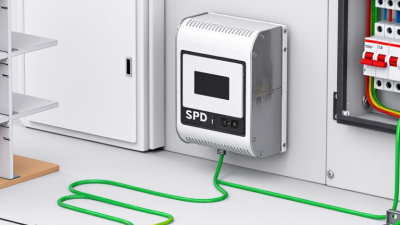
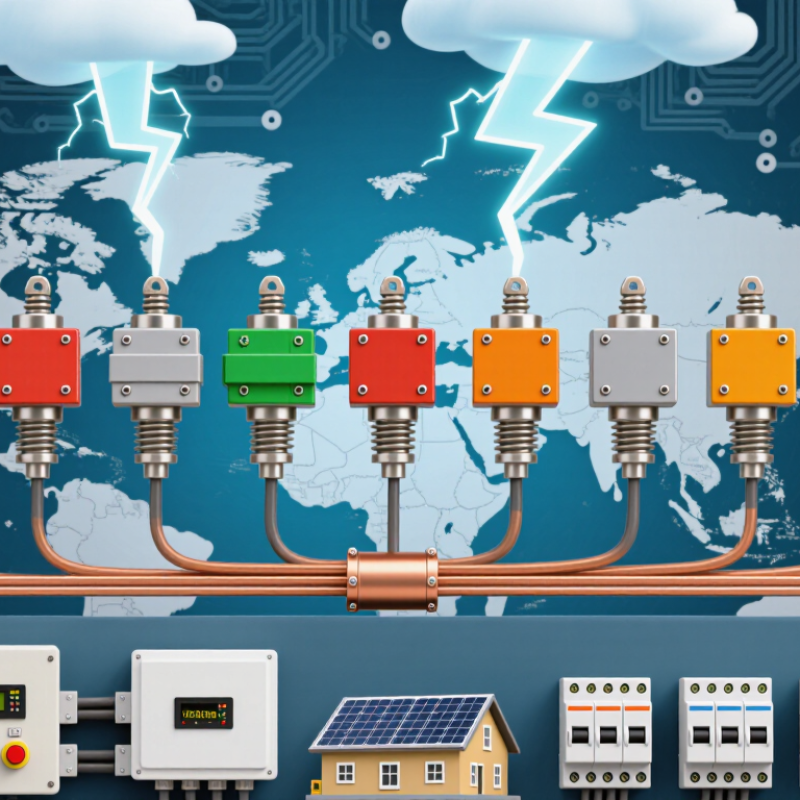
Lightning arresters and surge protective devices (SPDs) reduce the risk of damage from brief overvoltage events. A lightning arrester provides a controlled path for surge current to reach the grounding system. An SPD limits the voltage reaching connected equipment, then diverts excess energy away. The terms can overlap, but ratings and installation points vary. Check the device documentation.
A unit may be installed near a service entrance, distribution panel, or sensitive equipment. Its performance depends on more than the device itself. Short, direct connecting leads and sound bonding help reduce residual voltage. Poor grounding can undermine protection. Even a carefully designed system cannot prevent every failure, especially when surges exceed its rating. That detail is easy to overlook.
Tips: Match the SPD to the system voltage and expected exposure. Follow the manufacturer’s wiring instructions, and check status indicators during routine maintenance. Replace a unit that signals failure. Keep records; memory gets fuzzy.
Types of Surge Protection Devices and Their Applications
Top 10 Lightning Arrester SPD Manufacturers Worldwide: Types of Surge Protection Devices and Their Applications
Surge protection works best as a coordinated system, not a single box. Under IEC 61643-11, Type 1 devices handle partial lightning current at a building’s service entrance. They are tested with a 10/350-microsecond impulse. Type 2 devices, tested with an 8/20-microsecond wave, commonly protect distribution boards from induced lightning and switching surges. Type 3 units sit near sensitive loads, such as control panels or computers. Small details matter: cable length and grounding affect performance.
Cecil and colleagues’ 2014 global lightning climatology, using LIS/OTD satellite observations, estimated about 44 lightning flashes per second worldwide. That global rate describes exposure, not the risk at any specific site. For practical selection, consider the building’s supply arrangement, incoming lines, equipment sensitivity, and local lightning exposure. A workshop with long outdoor cables may need a different protection layout from a small office. Coordination between device stages is essential; installing several SPDs without checking their ratings can leave protection gaps.
Tips: Check the manufacturer’s coordination guidance and the SPD’s voltage-protection level against the equipment’s withstand rating. Inspect status indicators during maintenance. A green window is useful, but it does not replace testing or a sound grounding system.
Surge Protection Device Types and Standard Impulse Waveforms
The chart compares the nominal front time and time to half-value of two standard current impulse waveforms used in surge-protection testing. The vertical axis is logarithmic.
Type 1 SPDs are commonly installed at the service entrance to manage partial lightning currents; testing typically uses the 10/350 μs current impulse. Type 2 SPDs are commonly installed at distribution boards and are tested with an 8/20 μs current impulse. Type 3 SPDs are installed close to sensitive equipment and are tested using a combination wave, which includes an 8/20 μs current component.
Waveform values are nominal test-wave parameters, not a rating or performance comparison between SPD products. Actual selection depends on the installation, protection coordination, and applicable standards.
Criteria for Comparing Global SPD Manufacturers
Comparing global lightning arrester SPD manufacturers requires more than checking product ranges or headline ratings. Start with application fit: a unit for a distribution board may not suit a photovoltaic array or industrial control cabinet. Review maximum continuous operating voltage, discharge current, and voltage protection level against the installation’s actual exposure. Small details matter. Clear datasheets should explain test conditions, wiring requirements, and replacement indicators.
Look for evidence of testing to relevant standards, such as IEC 61643-11 for low-voltage surge protective devices. Ask whether test reports are traceable to specific models, not merely product families. Also compare enclosure ratings, thermal disconnection design, expected service life, and compatibility with upstream protection. Paper is not proof. Independent test records and consistent production checks offer stronger evidence than broad claims.
Service support deserves equal attention. Check whether technical staff can help select protection for a real system, and whether replacement cartridges are available across regions. Compare warranty terms, lead times, and the clarity of installation guidance. A polished scorecard can still miss a difficult site condition, such as long cable runs or limited cabinet space. That is worth admitting: no single rating captures every installation. The strongest comparison pairs published specifications with practical support and verifiable quality controls.
Top 10 Lightning Arrester and SPD Manufacturers Worldwide
The worldwide field of lightning arrester and surge protective device manufacturers spans utility networks, factories, commercial buildings, and homes. A 2024 Grand View Research report valued the global surge protection devices market at about USD 3.37 billion in 2023, with projected growth through 2030. That demand makes product range only one useful comparison point. Buyers should also examine discharge capacity, response behavior, installation format, and performance documentation. Small differences matter. A device protecting a rooftop power panel faces a different exposure from one fitted beside sensitive control equipment.
A credible top-10 comparison should assess manufacturers against consistent technical evidence, not broad claims. IEC 61643-11 provides requirements for low-voltage surge protective devices, while IEC 62305 addresses lightning protection systems. Together, they help buyers ask practical questions about testing, coordination, and the intended installation environment. Look for clear ratings, traceable test records, and guidance on replacing devices after a surge. Global supply capability and technical support also matter, especially for projects spanning several regions. Yet published specifications do not tell the whole story; field conditions can be messy, and selection errors still happen. A ranked list is useful, but it should not replace an application-specific engineering review.
Trends Shaping the Global Surge Protection Industry
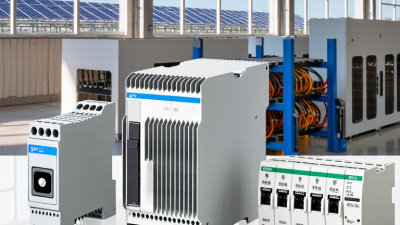
Lightning arrester and surge protective device (SPD) manufacturers are adapting to a more electrified world. Solar arrays, battery systems, electric-vehicle chargers, and data centers bring sensitive equipment onto increasingly complex circuits. A surge can travel through power or communication lines, threatening equipment far from the point of impact. Small details matter.
Monitoring and modular designs are becoming more common. Status indicators can show when protection needs attention, while replaceable cartridges may simplify maintenance. Useful, but not magic. An alert helps only if someone checks it and responds. Installers still need to match protection levels to the site, wiring layout, and connected equipment. A device chosen from a catalogue alone may not fit the actual risk.
Manufacturers are also under pressure to improve durability and reduce material waste. Buyers increasingly look for clear test data, dependable manufacturing, and products suited to local climates and grid conditions. Yet a published rating cannot capture every installation flaw. Poor grounding or long lead lengths can weaken real-world performance. That gap deserves more attention: protection depends on the whole system, not just the SPD.

 +86 13868429846
 Contact Phone
 Contact Email