How to Choose the Right Spd Lightning Arrester for Your Needs?
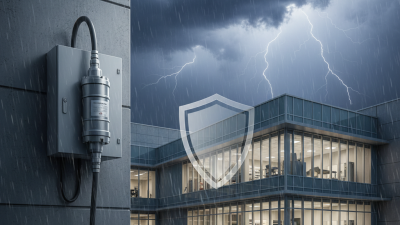
Choosing the right SPD lightning arrester can be challenging. With various options available, it’s vital to assess your specific needs. An SPD lightning arrester protects electronic equipment from voltage spikes. Selecting the appropriate model ensures safety and reliability.
Understanding your requirements starts with knowing where you’ll use the SPD lightning arrester. Different environments demand different specifications. For instance, residential and industrial applications require unique features. Evaluating these differences can be overwhelming. However, doing your research is essential to avoid costly mistakes.
Additionally, it is important to consider the installation process. Some models require professional assistance, while others are user-friendly. Take time to compare brands and read reviews. This will help you gauge their performance and reliability. A well-informed decision can lead to better protection for your valuable equipment.
Understanding the Purpose of SPD Lightning Arresters
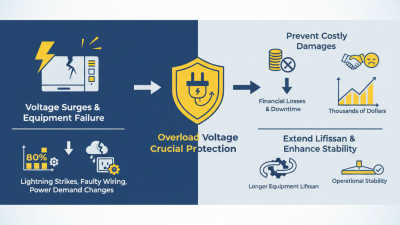
When considering the selection of an SPD lightning arrester, it’s crucial to understand its purpose. SPD stands for Surge Protective Device. These devices are designed to protect your electrical systems from voltage spikes caused by lightning strikes or other surges. A sudden spike can damage sensitive equipment, leading to costly repairs or replacements. Thus, an effective SPD lightning arrester is essential for safeguarding your investment.
Understanding how these devices function is key. SPD works by redirecting excess voltage away from your electrical systems. This redirection helps keep the voltage levels stable, preventing any sudden surge from causing damage. It’s important to realize that not all SPD devices are the same. Different environments and electrical setups require varying types of protection. Sometimes, weaknesses in the device might go unnoticed until a surge occurs. This highlights the need for regular assessments of your SPD system.
Choosing the right SPD lightning arrester requires careful consideration. Think about the specific needs of your electrical setup. Factors such as power requirements and environmental conditions should influence your decision. Consulting an expert can provide valuable insights. However, each situation may present unique challenges that require thoughtful reflection and adaptation. Making the right choice today can help avoid major issues in the future.
Evaluating Your Specific Needs and Requirements
When evaluating your specific needs for an SPD lightning arrester, it's essential to identify the environment it will be used in. Consider factors like building type, location, and existing electrical systems. For instance, a home in a lightning-prone area may require a different device than one in a region with mild storms. Assessing the level of risk is crucial. A simple square footage calculation can help determine whether you need a basic or advanced model.
Another aspect to ponder is the electrical load that needs protection. Different systems have varying voltages and currents, so a detailed understanding of your setup is necessary. You might think you are covered, but old wiring could be an issue. Sometimes, installations fail because of overlooked details.
Finally, engage with a professional for an expert opinion. Their input can help reveal additional considerations you missed. Relying on knowledge and experience is valuable. However, don’t forget to question established norms. Are the recommended standards always applicable in your unique situation? Reflecting on these variables will guide you toward the right choice.
How to Choose the Right Spd Lightning Arrester for Your Needs?
| Criteria |
Description |
Recommended Specifications |
| Voltage Rating |
The maximum voltage the arrester can handle without failing. |
Up to 600V for residential, 1200V for commercial applications. |
| Response Time |
How quickly the arrester can react to a voltage spike. |
Less than 1 nanosecond for optimal protection. |
| Energy Absorption Capacity |
The maximum amount of energy the arrester can absorb. |
Surge ratings of 20kA or higher are ideal. |
| Installation Type |
The way the arrester can be installed in the electrical system. |
Type 1 for service entrance, Type 2 for branch circuits. |
| Environmental Rating |
Resistance to outdoor elements if applicable. |
IP65 or higher for outdoor use. |
| Certifications |
Safety and performance certifications for reliability. |
UL 1449, IEC 61643-11 certifications. |
Types of SPD Lightning Arresters and Their Applications
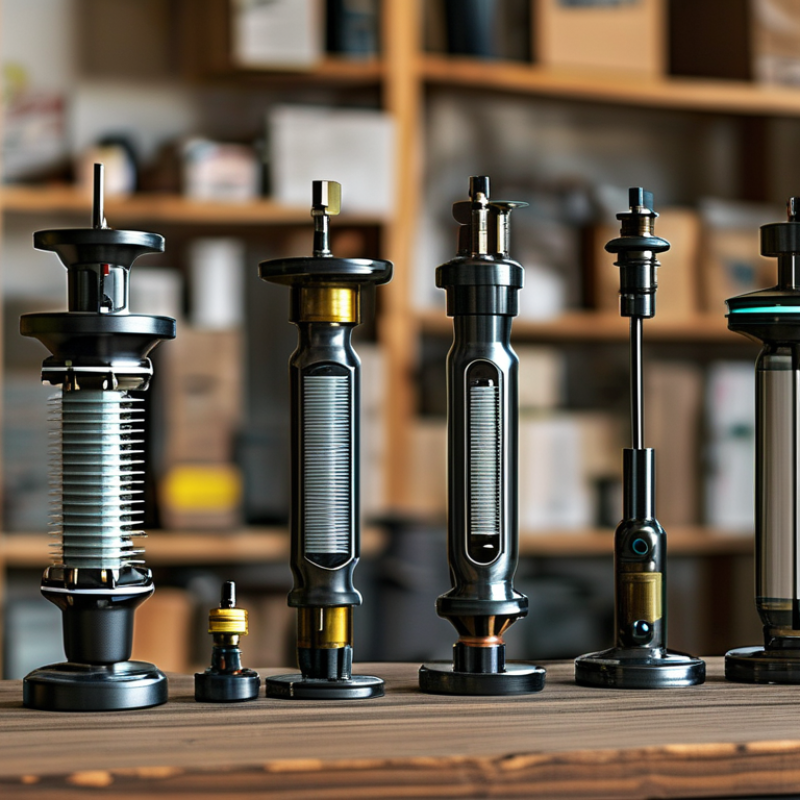
When selecting the right SPD lightning arrester, understanding the different types is essential. There are several categories, including Type 1, Type 2, and Type 3 devices. Each type serves a specific purpose based on its installation location and the level of protection required. For example, Type 1 devices are designed for installation at the service entrance, providing protection against surges from outside sources. In contrast, Type 2 devices are effective for protecting the electrical system and connected equipment from transients that may enter through utility lines.
It's crucial to consider the applications of these devices. Type 1 is often used in industrial settings, while Type 2 is more common in commercial buildings. Type 3 is ideal for point-of-use installations, such as home electronics or sensitive equipment. Choosing the appropriate type ensures that your equipment is safeguarded from unforeseen surges, which can cause significant damage.
When assessing your needs, think carefully about potential exposure to lightning strikes and electrical surges. If your area is prone to storms, investing in Type 1 devices is advisable. Additionally, evaluate any essential electronics that require protection. A multi-tiered approach may be beneficial in both residential and commercial environments. Stay informed about the specifications and performance ratings of the SPD you consider for optimal protection.
Types of SPD Lightning Arresters and Their Applications
Key Features to Consider When Choosing an SPD
When selecting an SPD (Surge Protective Device) lightning arrester, focus on the essential features. Understanding these features ensures optimal protection for your electrical systems. Voltage rating is crucial. It specifies the maximum voltage the SPD can handle. Choosing a device with the right voltage rating safeguards your equipment effectively.
Another important aspect is the energy absorption capacity. This feature indicates how much energy the SPD can absorb during a surge. A higher absorption capacity typically means better protection. Look for units that meet or exceed your system's requirements.
Consider the installation type as well. Some SPDs are designed for specific applications. Others offer flexible installation options for various setups. This choice can influence the overall efficiency of your surge protection system.
Reflect on your unique needs. Every facility has varying levels of exposure to power surges. Understanding this exposure can guide your SPD selection. Always consult with experts when in doubt.
Installation and Maintenance Considerations for SPD Systems
When considering the installation of Surge Protective Devices (SPDs), proper planning is essential. It’s important to assess your electrical system thoroughly. Identify locations for placement. Common areas include main service panels and critical equipment. Each location has unique characteristics. These should inform your choice of SPD.
Maintenance is another key aspect. Periodic inspections help ensure effectiveness. Check for visual signs of damage. Perform testing to assess functionality. Some SPDs have indicators for easy monitoring. It’s vital to address any issues promptly to avoid failures.
Choosing the right SPD requires professional insight. Engage with electrical experts for tailored advice. A qualified technician can assess environmental factors and recommend suitable devices. Each installation presents challenges. Reflecting on previous installations can provide learning opportunities. Make adjustments as needed for future projects.

 +86 13868429846
 Contact Phone
 Contact Email